I am a reader and writer of historical fiction with a keen interest in the Earth's history and all it involves, both physically and socially. I like nothing better than to be outdoors, especially in faraway places, and baking is something I do when my eyes need respite from my computer screen.
Last Saturday we had a great visit to the Murton Park Viking Village which is on the site of the Yorkshire Museum of Farming just outside of York. Although we took lots of photos of wonderful old farm machinery, this post is not about old farming methods on this occasion. Today I want to focus on Vikings!
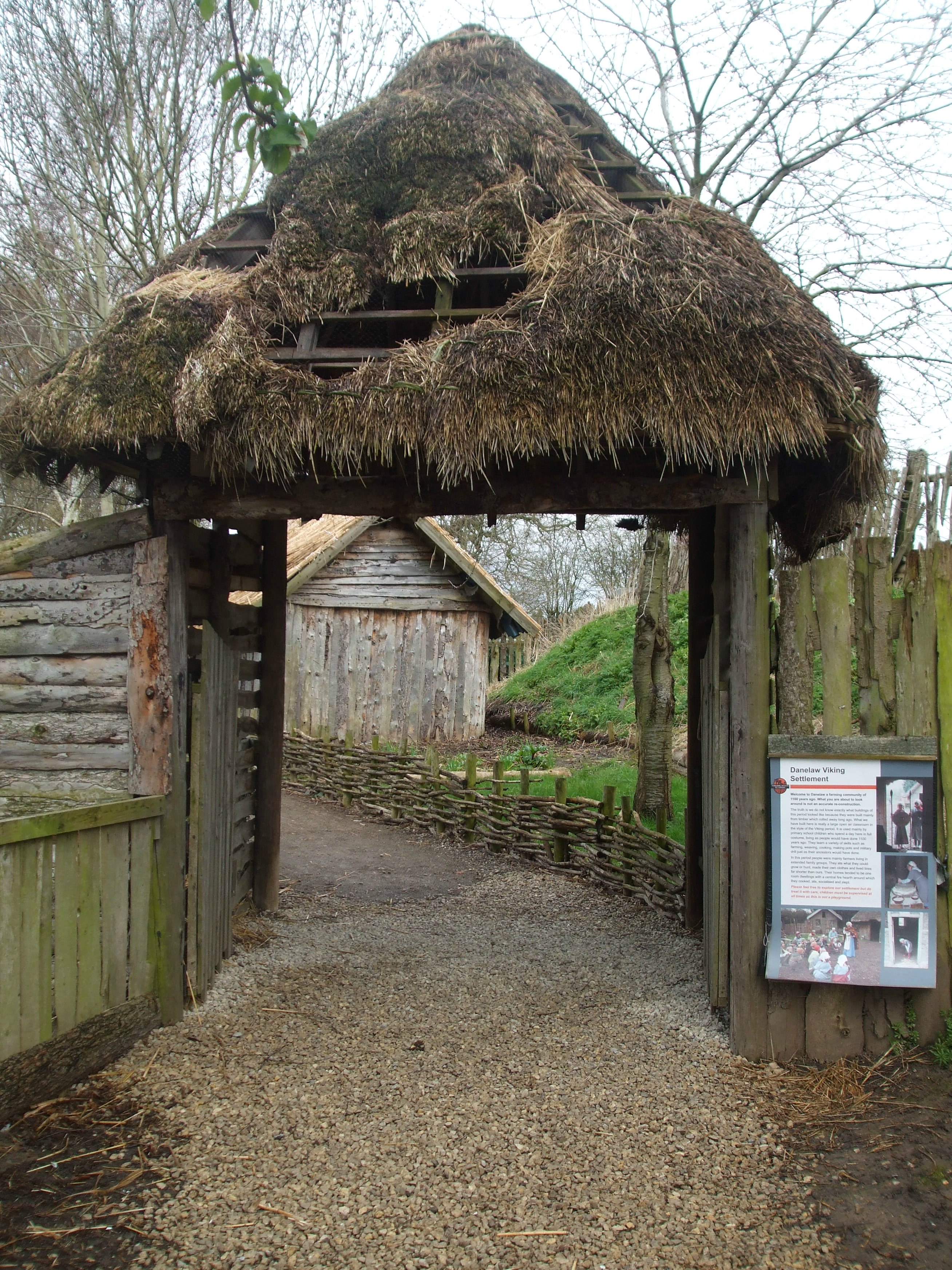
The reconstructed Viking village is excellent, and made specifically for the reenactment group who call themselves Jorfor’s Hall. I found out about them on Twitter (@jorforshall). The village is described as a Danelaw Farming Community, and over this particular weekend (9th and 10th April) the Vikings were in residence. This is the entrance into the village:
And this is how the group describe themselves on their website, Jorfor’s Hall:
“Jorfor and his family are hunters and trappers, most of them originally hailing from the Troms area of northern Norway, though they have travelled far across the Viking world, some further than others, and settled in many different lands”.
The group takes part in Viking events all over the country, as well as featuring regularly at Murton Park. Events are tailored for a variety of needs including school parties, youth clubs, fairs, fetes and shows. They also take part at the Jorvik Viking Festival in York in February.
The weather on Saturday morning was a bit dreary to start with, and it was very wet underfoot, but that only served to illustrate the conditions people would have lived with 1100 years ago. Most of the pathways through the settlement were wood-planked, to counteract the mud. This tallies with what I found when doing my research several years ago about the Danish trading town of Hedeby.
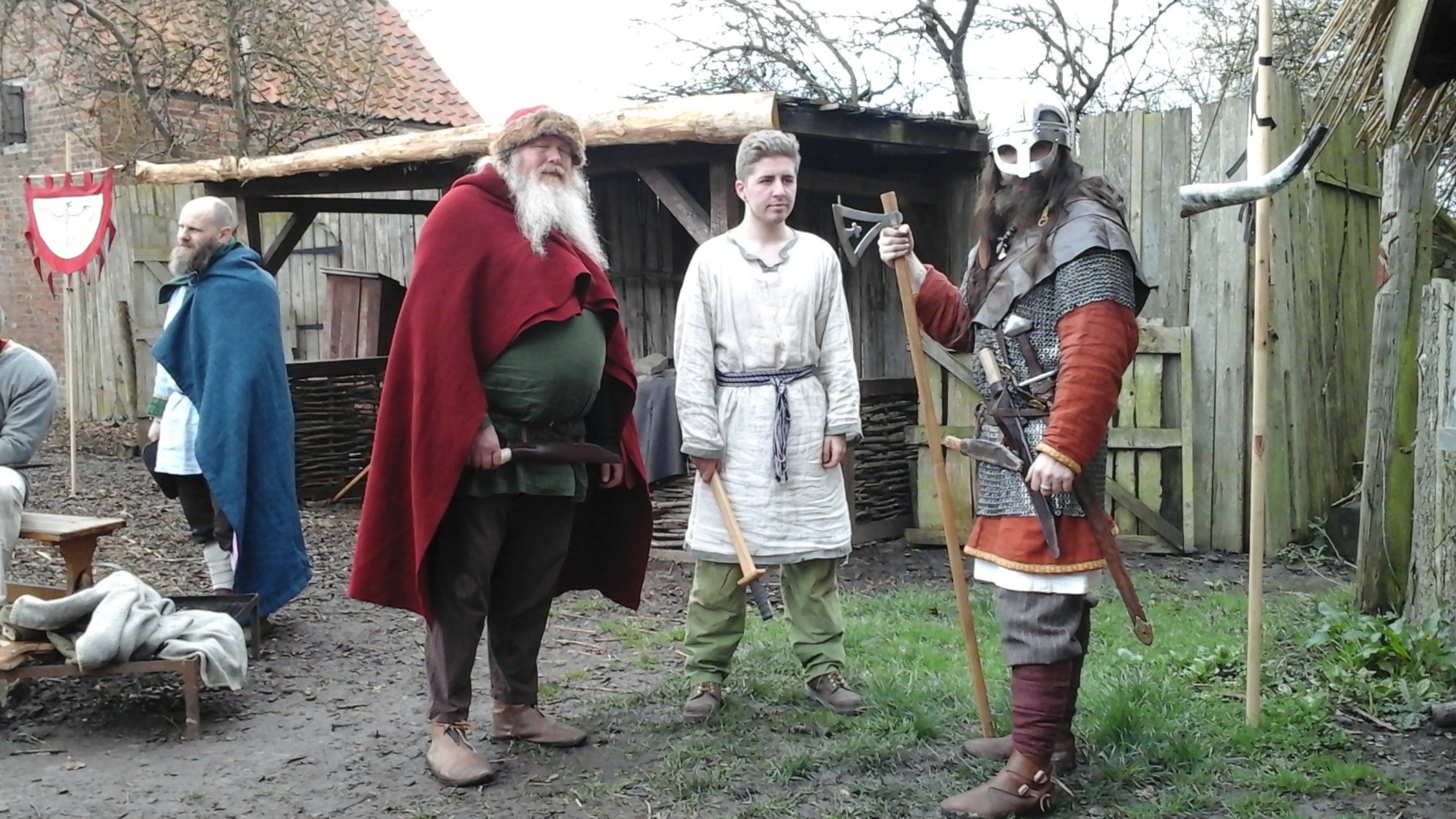
This was the man in charge, the chieftain of the village, wth the very appropriate name of Bear. Thankfully, he was a very friendly bear and told us a lot about the great helmet he’s wearing or holding in these photos, as well as how it compares in battle to the one on the stool.
Bear with his helmet
Viking weapons
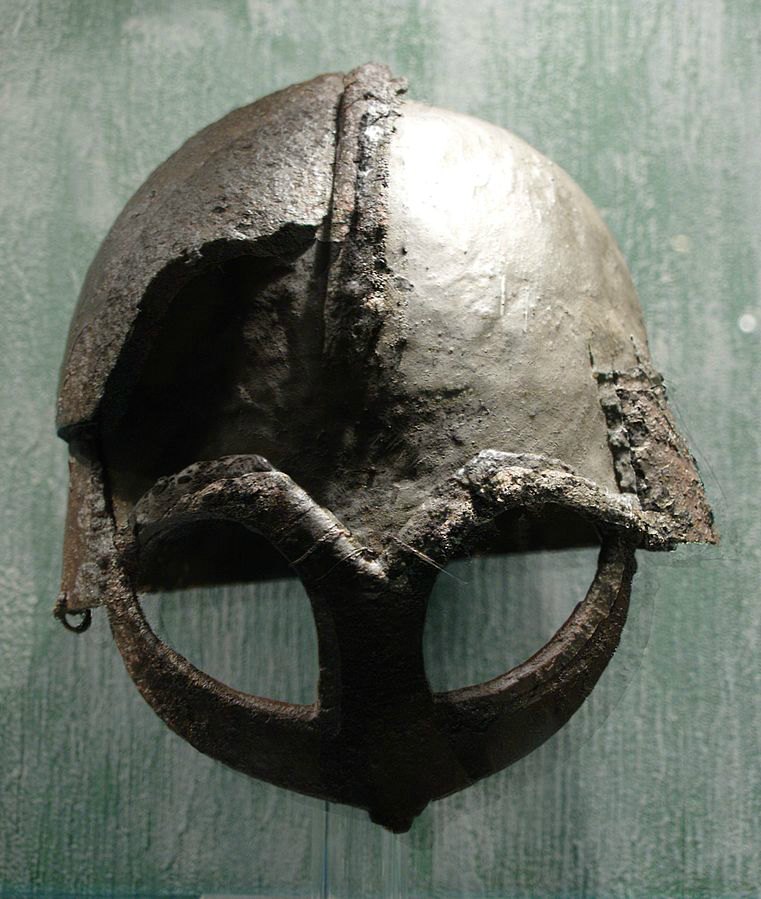
I’d run a mile fast if I saw someone coming at me wearing a helmet like that – and that, according to Bear, was exactly what the helmet was supposed to do: terrify people (especially when the man wearing it was as big as Bear!). The helmet, however, was not the typical Viking style; the more usual design being like the one with a nose guard, shown on the stool. Bear’s helmet is a replica of a famous one discovered in Norway. I think (but I’m not sure) Bear said it was the one found in a 10th century chieftain’s grave at Gjermundbu.
I found this picture of it on Wikimedia Commons.
Viking helmet from Gjermundbufunnet, now at Kulturhistorisk museum. Author: J Jeblad. Creative Commons
However, Bear did say that this helmet could be one that had been brought back from the East (trade or raid) and the style was not adopted for long amongst the Vikings. Although the facial shield and eye mask are intimidating to say the least, they could be disastrous in battle. A sword thrust into an eye socket would direct the sword straight into the eye! With the more usual nose guard, there was the possibility of the sword being deflected away from the eye.
The village itself displays a variety of housing styles and shop fronts, generally from the 9th and I0th centuries. But, as it says on the information poster at the entrance, no one knows for certain what buildings looked like. They were all made of timber, which rots away leaving little evidence. Roofing materials in the village vary from thatch to split tree trunks, wood planks and shingles and some of the buildings are decorated with colourful designs and some some have little gardens:
Inside these houses, space was limited and indoor life continued around the ever-present central hearth fire. Every home would have a loom, where women would make clothes, blankets and wall hangings. Storage chests did what storage chests usually do. 🙂
To finish with, these are a few of the villagers themselves, some about their work, others just cooking or socialising. Jobs and trades around the village would be many and varied, and of course, warriors would always be on the alert in case of attack.
Women doing th cooking
Firewood
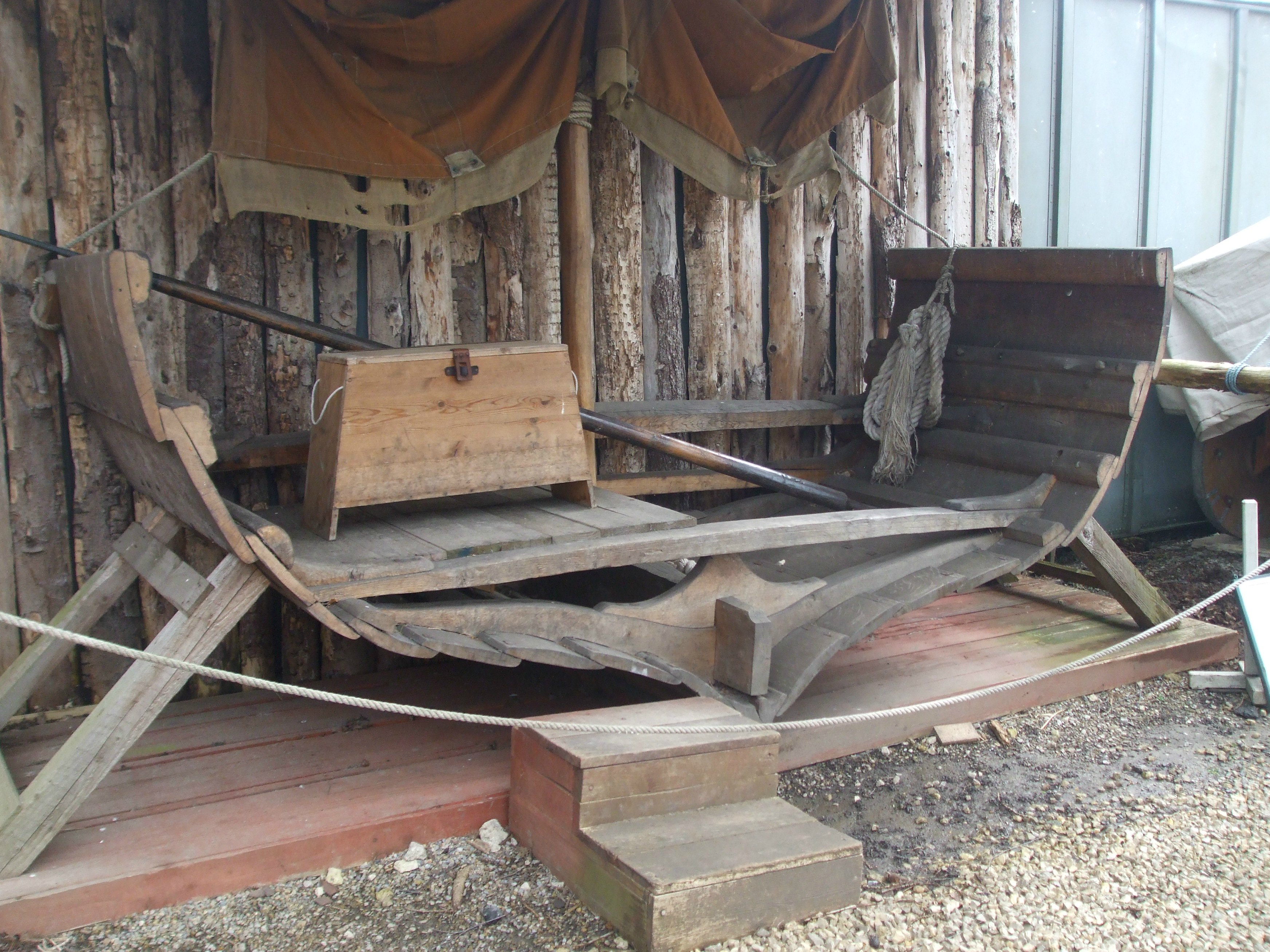
. . . and the cross section through the hull of a reconstructed Viking ship that greets visitors on the way in. It shows how Viking ships were built using overlapping wooden planks (known as clinker planking) which made them waterproof. This technique is still used today in wooden ship construction. It was donated by the Yorkshire Museum.
I’ve been away in York for the past five days, during which time we visited several interesting sites. We decided to go to York initially to visit a Viking Village at Murton on Saturday, but we managed to fill the rest of the days very nicely, too. I must apologise for not visiting blogs at this time, as the internet connection in the hotel was more off than on. I hope to get to as many as I can in the next few days.
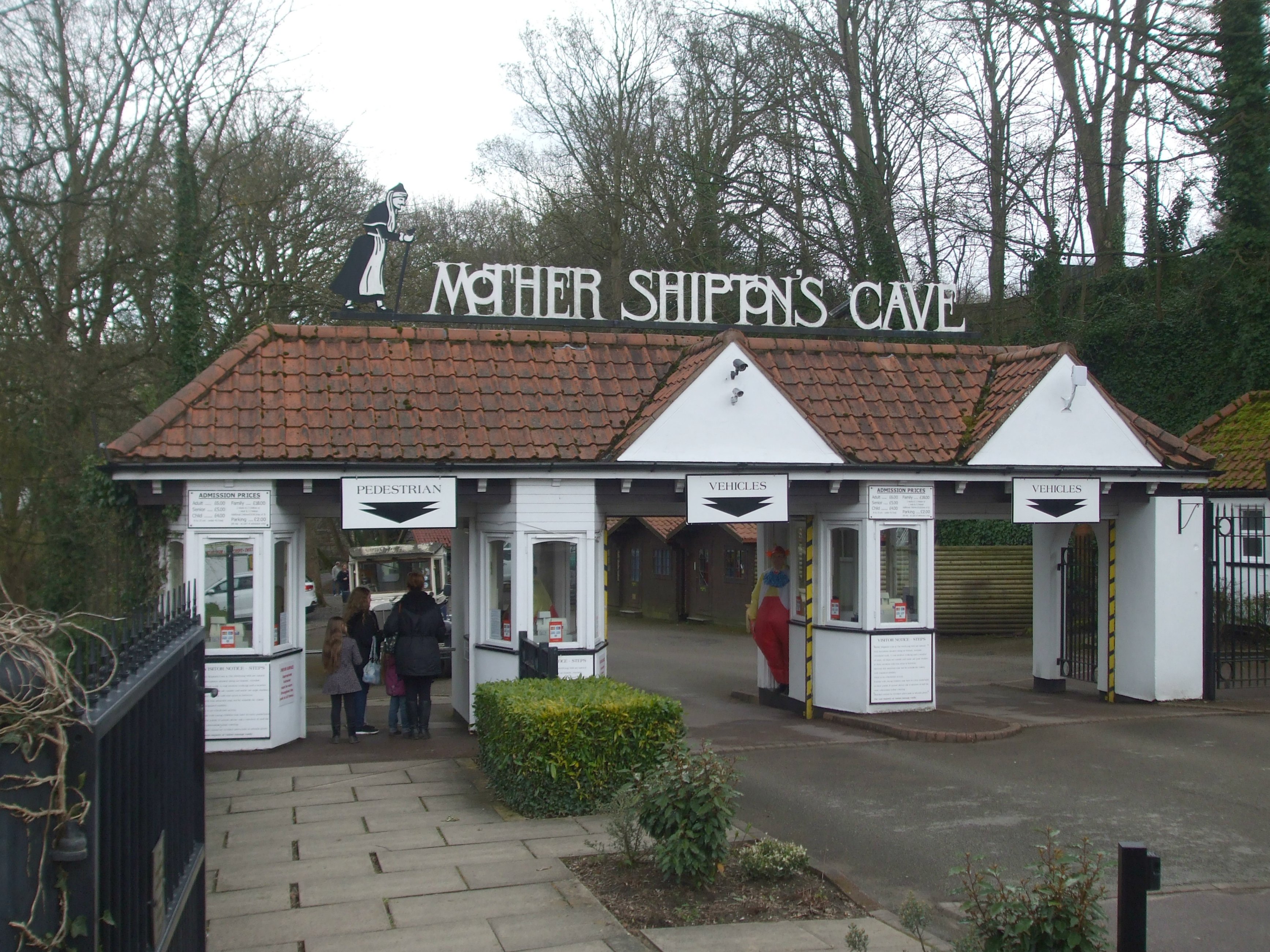
Anyway, the Mother Shipton site was the first one we visited and here’s some information about it.
Mother Shipton’s Cave – a site which also includes the Petrifying Well – has been England’s oldest visitor attraction since 1630. It’s located in the historic market town of Knaresborough, four miles east of Harrogate, in North Yorkshire, UK.
Map of North Yorkshire, UK. Author Nilfanion, created using O.S. data. Creative Commons.
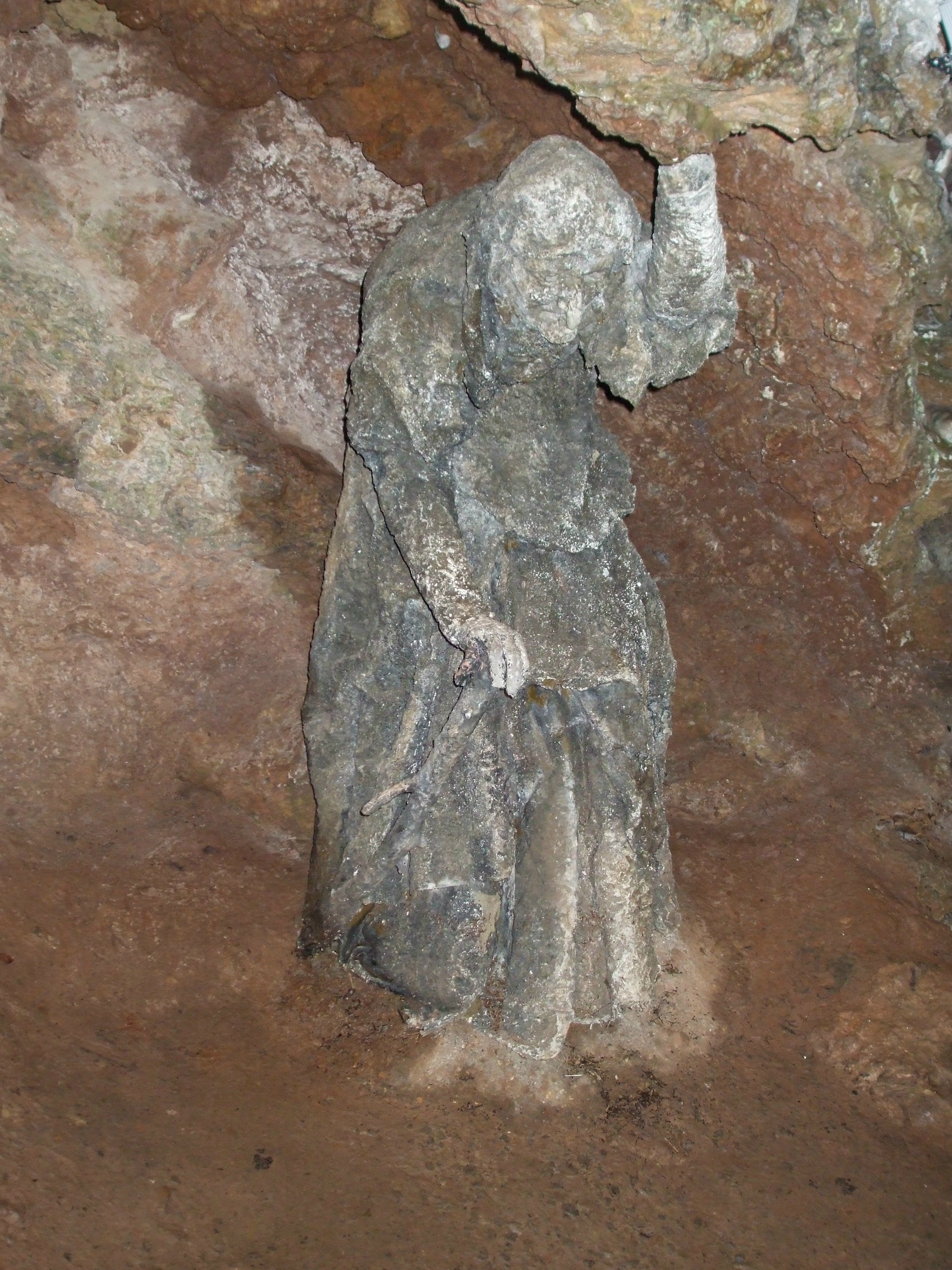
The actual cave was home to England’s most famous clairvoyant and prophetess – Mother Shipton herself:
Sculpture of Mother Shipton in her cave
This famous attraction sits in unspoilt parkland, a remnant of the once extensive Royal Forest of Knaresborough. The park lies along the banks of the River Nidd, which at this stage, flows through a gorge created by a glacier during the last Ice Age, 12 000 years ago.
There are many lovely views across the river. Some simply look over to the buildings of the town, others to the gorge and Knaresborough Castle sitting atop it. And across an impressive, roaring weir is the old mill, aptly known as Castle Mill. There are also great views of the viaduct carrying the railway, and the lower (in height) bridge known at the High Bridge.
View across Nidd to Knaresborough and Church
Viaduct carrying the railway
View Across Nidd
Weir and Old Cotton Mill
Gorge
Viaduct
Weir on the Nidd
Nidd Gorge
High Bridge
Rowing on the Nidd
As our visit was during the Easter holidays, a special children’s event was running, this one with the theme of Alice in Wonderland. It involved some of the staff dressing up in costumes, such as the Queen of Hearts, the Mad Hatter and White Rabbit. Children seemed to be enjoying the fun:
Both Mother Shipton’s Cave and the Petrifying Well are natural geological features which can be found close to each other on the site. The latter never fails to fascinate visitors from near and far. It was first opened to the general public in 1630:
Any object left in this well for a period of months/years becomes ‘stony’ on the exterior. It’s a natural phenomenon, due to the evaporation of water with a high mineral content. Nowadays, objects from various ‘celebrities’ have been left to undergo transformation. But at one time, these strange occurrences at the Petrifying Well were believed to be the result of magic or witchcraft. People believed if they just touched the water they would be turned into stone.
So, just who was Mother Shipton . . . ?
Mother Shipton was born on a stormy night in 1488, with the name of Ursula Southeil. Her fifteen-year-old mother, Agatha, gave birth in the cave after being banished for refusing to reveal the name of the father of her unborn child. After two years of a struggling to survive in the cave, the fate of the mother and child became known to the Abbot of Beverley, who decided to help them. Little Ursula was taken into the home of a local family, but her mother was sent to a convent in Nottinghamshire, here she died two years later.
As a child, Ursula grew to love Knaresborough and often played along the banks of the Nidd. At school she far surpassed other children at reading and writing, but her looks were what most people saw as ugly. The other children taunted her and ridiculed her long, crooked nose, bent back and twisted legs. They even claimed she took her revenge, and could feel her by pulling their hair and pushing them to the ground – when she was nowhere near.
Old engraving of Mother Shipton. Author Unknown. Public Domain.
Ursula soon realised that she much preferred to be on her own, and came to spend most of her time in the cave. Despite having no memory of having lived there, she claimed it drew her back. She learnt much about the forest, its plants and herbs, and how to make cures for ailments and various potions. She also discovered, she was able to predict the future, and her prophecies are what she became famous for.
At twenty four, Ursula met and married Thomas Shipton, a carpenter from York. For two years they were very happy, but Thomas died young – before any children had been born. But Ursula kept the name of Shipton, and as she aged, the title of ‘Mother’ was added to it. She died in 1561 at the age of seventy three, but her prophecies lived on . . .
Mother Shipton made many prophecies, several about people who lived during or just after her own lifetime. She predicted the end of the Catholic Church in England under Henry VIII and the fall of Cardinal Wolsey. She also foretold the death of Henry’s son, Edward VI, the ‘bloody’ events of Mary’s reign and that her sister, Elizabeth, would take the throne. Mother Shipton also foretold the coming of the Spanish Armada and, according to the diary of Samuel Pepys, the Great Fire of London in 1666.
Other predictions relate to later times, including the coming of iron ships (in the 1830s). There are dozens of these prophecies, which can easily be found online. But we need to bear in mind that many people believe them to be fake – like this one, which did not appear until 1862:
The world to an end shall come In eighteen hundred and eighty one.
Its true author, Charles Hindley, later admitted in print that he had invented it.
In the 17th century, when witch hysteria hit England, the image of Mother Shipton gradually changed from prophetess to witch. She became known as one of England’s most renowned witches. This moth – known as the Mother Shipton Moth – got its name because of the markings on its wings, which resemble an old hag’s head. They are common over much of the British Isles, and can be seen in May and June in the woods around Mother Shipton’s Cave:
Mother Shipton Moth, named after the pattern on the wings resembling the face of a hag. Author Callistege – mi_02 (xndr). User: Sydmolen. Creative Commons.
Vindolanda is my favourite site to visit when we go up to Hadrian’s Wall. It has everything a history lover could want: ancient ruins to walk around – with an ongoing archaeological ‘dig’ during the summer months – and reconstructions of parts of Hadrian’s Wall. There is also an excellent, award-winning museum housing many of the finds from the dig. The scenery around the site and the landscaped gardens and little stream close to the museum are a delight in themselves.
View to the stream
Gardens where altars have been placed against a wall.
View of the Temple to the Nymphs
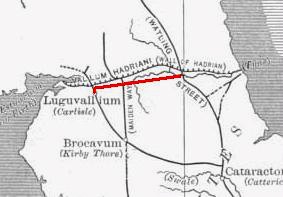
Vindolanda was the longest occupied fort along the Roman northern frontier, built between AD74 and 85 and continuing through to end of Roman Britain in AD410. It is sited pretty much centrally between the eastern and western ends of the Wall but is not on Hadrian’s Wall itself, being a mile or so to the south of it. These maps aren’t that clear, but they may give some idea of location:
Route of the Stanegate Road. Author: Neddysegoon. Creative CommonsThe x marks the approximate location of Vindolanda. The photo is of an information board at Housesteads fort.
The fort, and the settlement that grew up with it, were first constructed four decades before Hadrian decided to build his wall. It formed part of a line of a few forts along the Roman road known as the Stanegate (Stone Gate). By the time the building of Hadrian’s Wall began around AD122 there had already been four forts and towns on the site (wood rots!).
At its height, Vindolanda would have supported a population of 3-4000, of which 1000 would have been largely auxilliary soldiers. The rest was made up of the soldiers’ families, traders and merchants, servant and slaves. People from all over the Roman empire would have lived here: from North Africa, Spain, Syria, France (Gaul/Gallia) and Germany and Italy itself. Hence there would be a great variety of customs, diets, dress and dialects.
While Hadrian’s Wall was under construction, Vindolanda became a sort of ‘base camp’ for the legionaries and many workers involved. Once the Wall was completed, Vindolanda formed part of the Wall garrison, despite being a mile south of the actual Wall.
But the population of Vindolanda was always on the move, shifting from one ‘posting’ to the next, and the majority of the people would have gone with them. At one point, between AD280-304/5, the site was abandoned and lay derelict, and was rebuilt in AD305. Excavations have unearthed remains of a large bonfire on the site. It had been used to destroy all the household goods of the prefect/commanding officer at that time as his household prepared to move on to another site. At he bottom of the huge pile of remains, many letters and other communications had survived: wonderful archaeological evidence of life up on the Wall at that time.
All this construction and rebuilding work meant that in places it has been necessary for archaeologists to dig down as much as 7 metres below the original ground level to reach many of the ‘finds’. But the constant renewal of the site also helped to create the excellent preservation conditions (anaerobic/anoxic levels) where there is little or no oxygen.
Photo of excavation work at Vindolanda from a display board inside the museum.
The ruins need to be viewed in two parts. First there is the fort. Although there is still a lot of it to be excavated, some buildings are clearly identifiable. Most of the outer walls and gates are visible, as well as both the NE and SW corners and a latrine. As all Roman forts, this one had the typical playing-card shape (rectangular with rounded corners). It also had the three central and most important buildings of every fort: the headquarters building; the commanding officer’s/prefect’s house and the granaries. Then there were the other usual buildings such as the soldiers’ barracks, latrines and so on. I don’t intend to describe all these here because my next post is about a single fort (Housesteads) and I’ll be talking about that then.
What I’d like to focus on now is the vicus at Vindolanda– the settlement that grew up outside the walls of the fort.
Model of the fort and vicus at Vindolanda in the entrance to the site.Plan of Vicus at Vindolanda
The present day ruins are quite incredible and give us plenty of insight into everyday life in a Roman settlement at this time. I couldn’t possibly describe all of the different remains in a single post but they included everything from temples and mausolea, shops of various types, a tavern and workshops to a military bath house, wells and water tanks.
General view over the site
Bath house
Mausolea
General view across to the reconstructed turrets.
Wells and water tank
Water tank
Workshops flanked the main road through the vicus.
Child’s grave
Tavern. This was next to the workshops and the west gate of the fort. It was the largest building in the vicus.
Temple to Jupiter Dolichenius
Vindolanda fort from top of reconstructed turret
Military bath house
Bath house
‘Strip houses’ were long and narrow, with their narrow edge facing the street. Tax was determined according to the amount of street frontage.
Shop
Bath house
View of fort from bath house
Finds from the dig have produced the most important archaeological discovery of the last 50 years: the writing tablets. They are currently housed in the museum – on loan from the British Museum in London – and displayed in an hermetically sealed case, protected from the decaying effects of oxygen, moisture and humidity.
Vindolanda Writing Tablets, shown on an informaton board in the Vindolanda museum.
Letter from Claudia Severa to Sulpicia Lepidina.
Letter from Octavius to Candidus concerning supplies of wheat, hides and sinews. Photographer: Michel wal. Creative Commons
The first writing tablet from Vindolanda was unearthed over 30 years ago. It was one of the most important archaeological discoveries in Britain since 1945. The collection of about 2,000 documents is an invaluable source of information about life in the Roman army on the northern frontiers during the years immediately before the building of Hadrian’s Wall. The tablet I always loved is one from Claudia Severa to Sulpicia Lepidina, the wife of the garrison’s commanding officer in AD100, inviting her to her birthday party. But the largest tablet is a four page one from Octavius to Candidus, listing business transactions between Vidolanda and Catterick Roman fort in Yorkshire, roughly 68 miles away. It contains the amusing phrase ‘the roads are awful’!
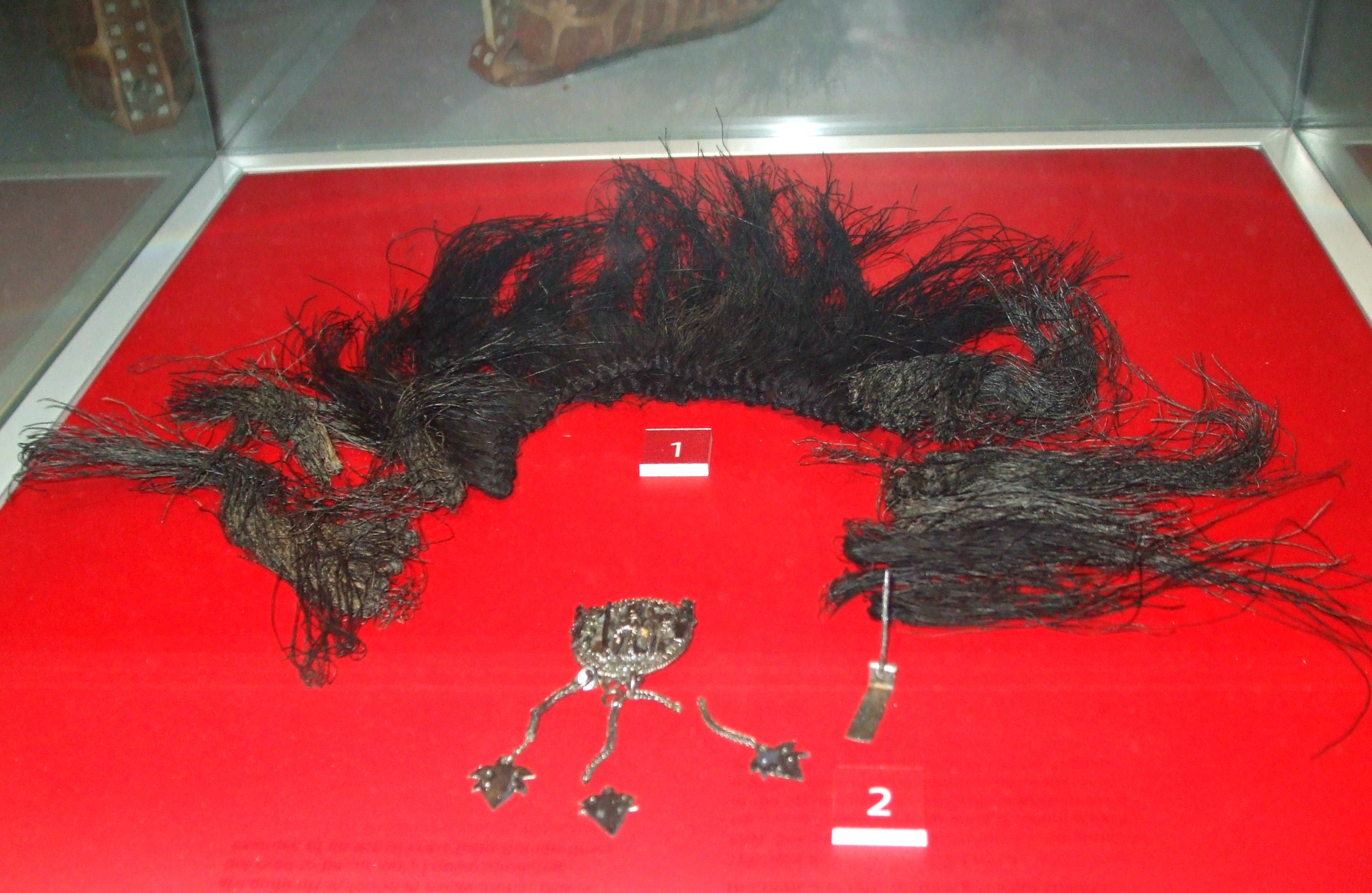
Other ‘finds’ from the dig include armour, shoes, socks, wigs, wood and leather items, textiles, glass, pottery, ironwork, inscriptions and sculpture. One of the most impressive finds is the hair-moss crest from a helmet, now housed at the Roman Army Museum at Carvoran, where we photographed it. That museum is also run by the Vindolanda Trust (so, unlike some of the other sites along the Wall, these two are not run by English Heritage or National Trust).
This was made from a type of moss that grows nearby, simply referred to as ‘hair moss’. It is believed these crests would have been in several colours, but the only one I found on Wikipedia was red:
Reconstruction of a centurion helmet with crest made of hair moss. Photographed from a show of Legio XV from Pram, Austria, No details about author. Creative Commons
Here’s a selection of other finds on display at Vindolanda. Most were displayed behind glass and in bright lights …sorry about the glare:
To finish with here a a few photos of the Temple to the Water Nymphs and a couple of altar stones outside . . .
Temple to theWater Nymphs
Wall inside the temple
Back of the temple
Opposite wall inside the temple
Two of the altar stones outside the temple. Several more are located around the Vindolanda site
View of the Temple to the Nymphs
. . . and some photos from inside the reconstructed house and shop nearby:
Following the Roman period the Vindolanda site was of little importance to anyone other than farmers and those needing stone to build their houses. Odd artefacts turned up occasionally, but the reality of what lay beneath the soil remained a mystery. When more and more finds were made, in 1832, the Reverend Anthony Hedley built his new house on the site and called it Chesterholm. The house is now an integral part of the museum. He also made the first real steps in preserving the site.
Yet it wasn’t until 1929 when young scholar, Eric Birley, bought the property that the amazing potential of Vindolanda came to light. He ran the first series of excavations, but the Second World War put a halt on things for a while. After the war, excavations continued, and the site stayed in the hands of the Birley family until 1970 when Eric’s son, Robin, handed it over to the Vindolanda Trust on behalf of the nation.
I haven’t done credit to the Birley family here as this post is rapidly becoming a book! But if you visit Vindolanda during the summer, you may catch a glimpse of one or the other of this awesome family, still happily digging away.
This is just a quick post to express my recent confusion . . .
As most writers, I love getting reviews of my books. Whether they’re good or bad, the comments can be helpful as I pursue future writing projects. I’ve been fortunate in having many great comments, as well as one or two that have made me stop and think. But I do keep in mind that all readers are different. What appeals to one may be something another reader dislikes. Even the most popular novels – the best sellers – have a wide range of reviews and ratings.
There now. I’ve just said the word that is causing me to be confused right now. Notably, the Amazon Rating System.
I noticed two more reviews of Book 1 of my trilogy Shadow of the Raven on the Amazon UK site over the weekend. One is great (5 stars) and I couldn’t ask for better. The other has left me scratching my head! It’s a short review, but the wording is nice and complimentary. This is it, word for word:
“Excellent.
Couldn’t put this book down. If you like Bernard Cornwell you will enjoy this author who writes in the same exciting way.”
I’m delighted with the comment, of course. Many similar comments have been accompanied by a rating of 4 or 5 stars. But this one came with a rating of 2 stars, so I’m sure you’ll see why I’m bewildered by it.
When all’s said and done, a 2 star rating means you didn’t like the book at all!
So the wording of the comment and the rating contradict each other. Could the reader have simply misunderstood the rating system – or clicked the wrong star symbol? Or is it me who doesn’t understand the star ratings?
If anyone can offer some explanation about this, I’d really appreciate it.
Flash Fiction for for Aspiring Writers is a writing challenge hosted by Priceless Joy. It asks us to write a piece of fiction from the photo prompt provided in around 100-150 words – give or take 25 words. It encourages us to comment, constructively, on other entries, so supporting each other’s writing. If you’d like to join in with this challenge, follow the above link to see what to do. The challenge runs from Tuesday to Tuesday every week.
I must apologise for my late entry this week, PJ. (I’ve been very busy eating my Easter eggs. 😀 )
This is the prompt, kindly provided by Uday on his blog, Udayology.
. . . and this is my story:
That Goddam Portal
‘Two minutes, guys, and yer butts are through that goddam portal!’
Sam Blake surveyed his white-faced crew. ‘If y’ain’t quick enough, yer’ ll be left to face them mean critters following us.’
Billy Briggs, the newest and smallest crewman, glanced at his nodding mates: fifteen of them, all desperate to leave this hostile world. The thought of staying here was too terrible to contemplate.
‘Quit that pushin’ and a shovin’, Billy,’ Commander Blake hissed. ‘No one moves till I give the signal.’
The loud whistle sent the group hurtling for the circular doors. Unaccustomed to the procedure, Billy was thrust aside, only managing to stumble to the portal as it swung shut in his face. He turned, horror-struck at the words he heard:
‘Thought yer’d run off with them skiving kids, did yer m’ lad? There’s yer bedroom ter clean, and yer pa wants ‘is car washin’. Get back t’ yer chores . . . Now!’
Billy silently cursed. Next time, he’d be first through that goddam portal!
***
Word Count: 169
If you’d like to read other entries, or add a story yourself, click on the little blue frog:
I’d intended this post to be purely about Easter eggs, but decided I couldn’t just plunge in and talk about ‘eggs’ without first saying a little about the celebration of Easter itself. So that’s what I’ve done . . .
Easter is a Christian holiday which falls in the spring, the time when the earth renews itself after a long, cold winter. The date of the holiday is not fixed, as it falls on the first Sunday following the full moon that occurs on or after the spring equinox (March 20/21). This means that Easter will fall sometime between March 22 and April 25. In contrast, Christian churches in the East, closer to the birth of Christianity, celebrated the resurrection of Christ long before the word Easter was used. The word they used for the celebration was Pascha, which is derived from and linked to the Jewish festival of Passover.
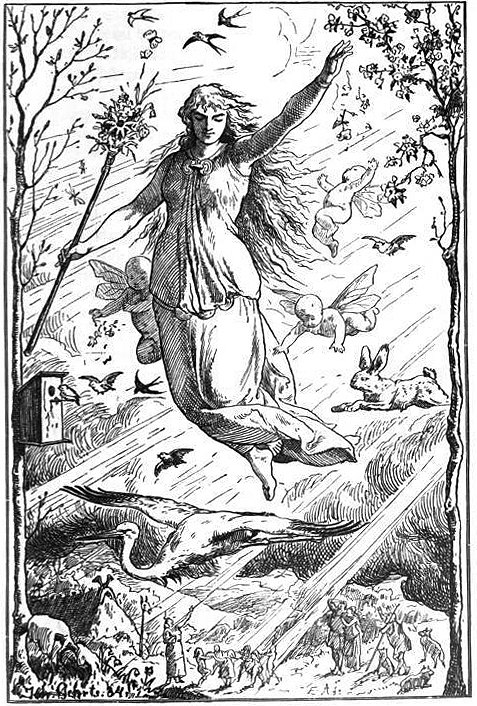
The origins of the word, EASTER have been traced to the Scandinavian/Norse word Ostra and the Germanic words Ostern or Eastre. Both of these come from the names of mythological goddesses of spring and fertility (e.g. Eostre) whose festivals were held at the time of the spring equinox.
Ostara (Eostre) by Johannes Gehrts, 1901. Ostara flies through the heavens surrounded by Roman inspired putti, beams of light and animals. Germanic peoples look up at the goddess from below. Public Domain.
Despite being a Christian celebration, many of the customs associated with the holiday are linked to far older, pagan traditions – including the Easter egg and the Easter bunny.
The egg is an ancient symbol of fertility and new life which has long been associated with pagan festivals celebrating spring. In Christianity, for the celebration of Eastertide, Easter eggs symbolise the empty tomb – or the stone of the tomb – a reminder that Christ rose from the grave.
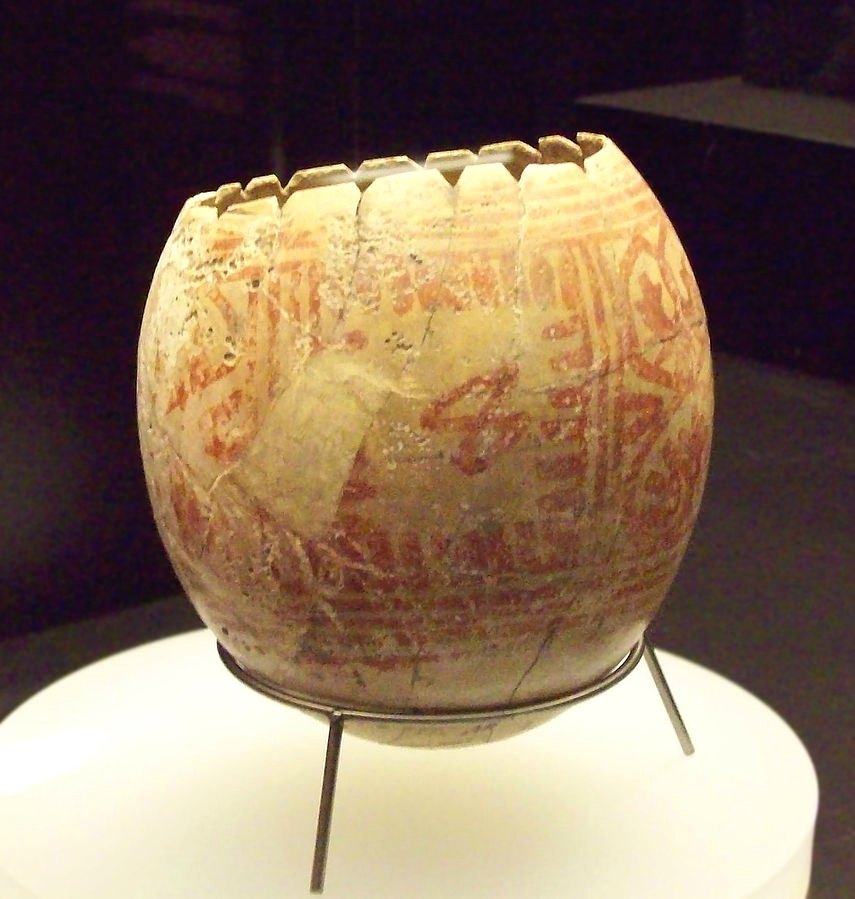
The decorating of eggshells was practiced long before Christian traditions. Decorated ostrich eggs that are 60,000 years old have been found in Africa, and representations of ostrich eggs in gold and silver were often placed on the graves of ancient Sumerians and Egyptians as early as 5.000 years ago.
Ostrich egg shell with painted red lines. Punic artwork from Iron Age II. Current location: National Archaeological Museum of Spain. Photographer: Luis Garcia (Zarqarbal). Commons.
The Christian custom of the Easter egg can be traced back to the early Christians of Mesopotamia, who stained eggs red in memory of the blood of Christ shed at his crucifixion. The Christian Church officially adopted the custom, regarding the symbol as the resurrection of Jesus. In modern-day Greece, the custom of painting eggs blood-red is still practised:
Painted eggs from present-day Greece. Author: Tony Esopi from el. Common
In the earliest days, people gave each other gifts of eggs carved from wood or precious stones. The decorating of eggs for Easter is a tradition that is believed to date back to the 13th century. It is thought that the custom arose because eggs were a forbidden food during Lent, so people would paint and decorate them to mark the end of the period of penance and fasting. The eggs would then be eaten at Easter as a celebration.
By the 18th century, pasteboard or papier mache eggs were given, holding small gifts, and by the 19th century, cardboard eggs covered with silk, lace or velvet and fastened with ribbon, were fashionable. More exquisite and costly eggs were also being created in the 19th century from materials such as ivory and porcelain, and often inlaid with jewels. The most spectacular of these was perhaps the one made by Carl Faberge in 1887 for the Russian Czar and Czarina. Today this, and other such elaborate creations, are museum pieces.
Imperial Coronation egg photographed at an exhibition in Rome. Author: Miguel Hermoso-Cuesta. Commons.
Chocolate Easter eggs have developed from a simple type wrapped in paper to the more elaborate ones in bright foil, packed in a fancy box or basket. The first chocolate eggs were produced in France and Germany in the early 19th century. Some of the earliest eggs were solid, and the first hollow eggs were very difficult to make as the moulds had to be lined with paste chocolate, one at a time!
John Cadbury began making his first ‘French eating chocolate’ in 1842, and by 1875, the first Cadbury’s Easter Eggs were made. But it was a slow business until a method was found of making the chocolate flow into the moulds. (I won’t go into the process by which this was done here!)
John Cadbury, founder of the Cadbury chocolate making company. Photo taken prior to 1889. Public Domain.
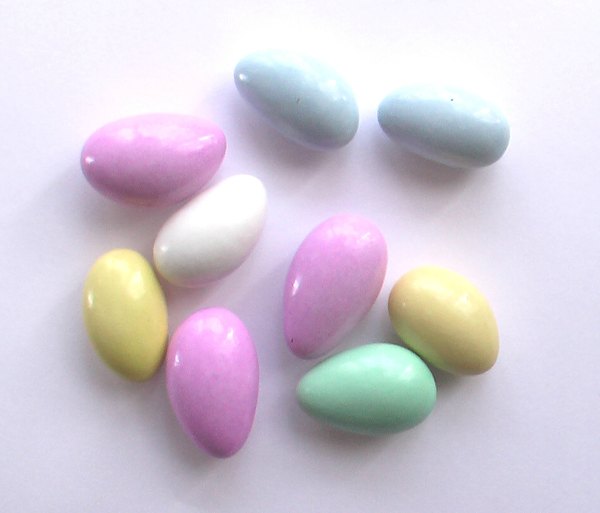
The earliest Cadbury eggs were made of dark chocolate, with a plain, smooth surface and filled with dragees (hard, bite-sized, colourful forms of confectionery, with a hard, outer shell, and sometimes used for cake decoration. Unlike those in the picture below, many are spherical. Small, silver dragees are often used to decorate wedding cakes).
Jordan almonds – a form of dragees. Photographer: Alex Kasperavicius. Public Domain.
The outer ‘shells’ of the Cadbury eggs were decorated with marzipan flowers and chocolate piping. But more decorative designs soon followed and by 1893, Cadbury could boast 19 different lines. The ‘crocodile skin’ finish of the shell came from Germany – a technique that was ideal for disguising flaws in the smooth surface of the chocolate. Nowadays there are many distinctive designs from different manufacturers.
It was the introduction of the famous Cadbury’s Dairy Milk Chocolate that made the greatest contribution to Easter egg sales. Today, the Easter egg market is predominantly milk chocolate.
The traditional decorating of eggs for Easter (both chicken eggs and artificial ones) continues in many countries today. Most are incredibly beautiful. This post would be far too long if I were to show some of these here, so I’ll leave the topic of Easter eggs with a link to a wonderful post by my blogging friend, Amanda (forestwoodfolkart) over at Something to Ponder About. As someone very much into art and decoration, Amanda knows what she’s talking about.
There are many other interesting Easter traditions, such as egg-rolling, eating hot-cross buns, Easter parades, and Easter bonnets. Not to mention the Easter Bunny! But I’ll leave those to talk about next year.
Easter postcard c early 20th century. Author: ItsLassieTime. Public Domain
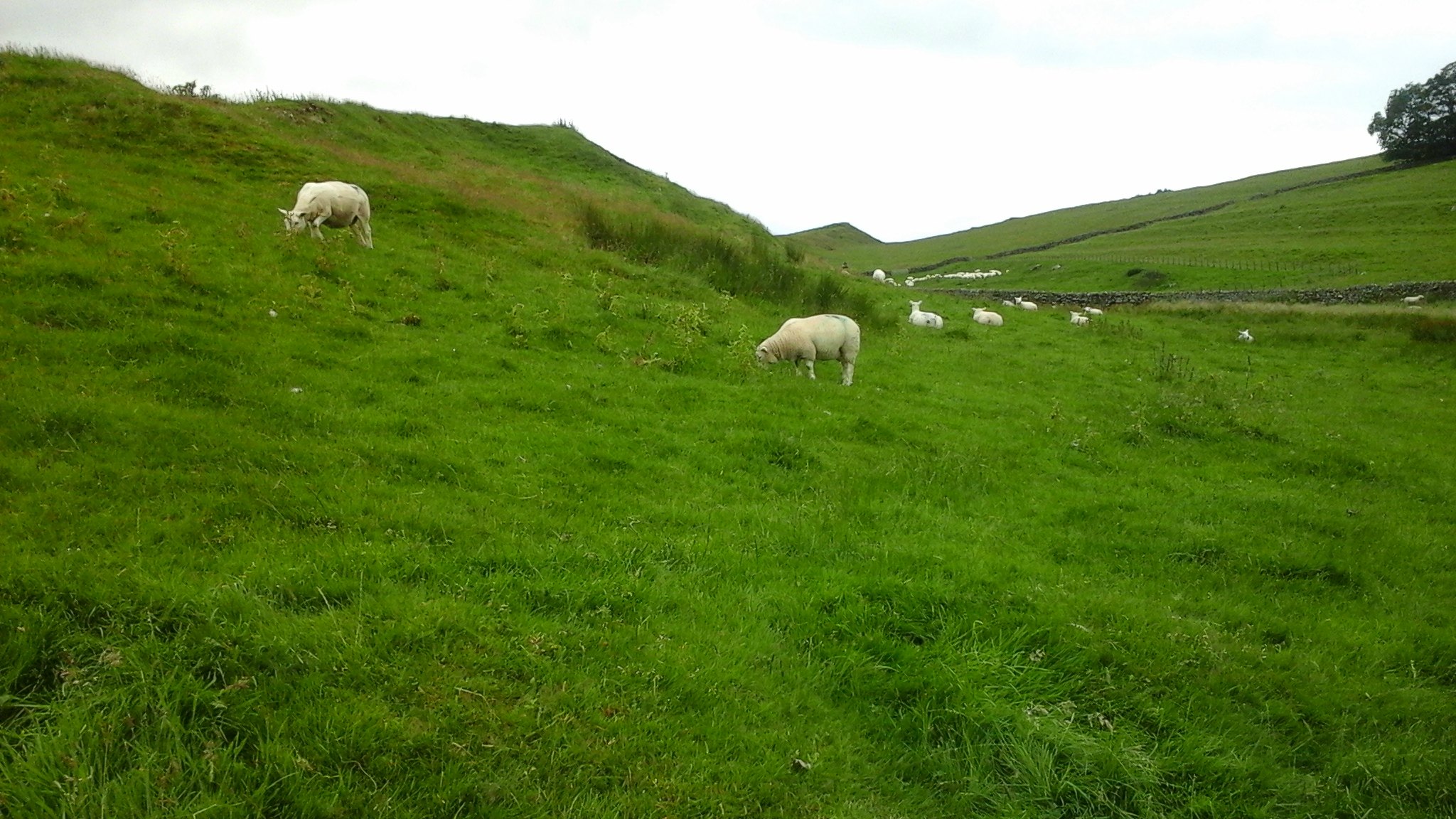
Last August, Nick and I spent some time up in the North of England in order to visit one of my all-time favourite sites . . . Hadrian’s Wall. I’m totally smitten by this structure and the wonderful, open scenery around it, but I can well imagine what the Romans felt about manning it, particularly in the cold, wet, or icy winter months. It really is quite desolate up there, with nothing to see for miles other than the odd farm and plenty of sheep.
We took lots of photos of the various forts and museums, as well as several of the Wall itself. I thought I’d do the first post about Hadrian’s Wall in general and follow it with a couple about the forts we visited along its route. To start with, here’s some information about the Roman Invasion and the building of the Wall:
The Romans first invaded Britain in 55 BC under Julius Caesar, but this was not a success, and permanent occupation of the island only began in AD 43 when the Emperor Claudius launched an invasion…
Statue of Claudius in the Vatican Museum. Author: sailko. Creative Commons
Even then, the invasion was not as easy as Claudius had hoped. The Celtic tribes were savage and warlike and most had no intention of succumbing to Roman domination. Some did, of course, including the Brigantes – whose queen, Cartimandua, I mentioned in my Chester post. It was only once the Boudicca uprising of AD 60-61 had been quelled that the Romans were able to move out and establish control over the rest of the country.
The fort of Roman Chester (Deva) was established by AD 70. The great fortress at York, Eboracum – which became the provincial capital of ‘the North’ – was also founded at this time, and shortly after AD 100 the most northerly army forts stretched between the Tyne and the Solway. These were linked by a road now known as the Stanegate, which provided good communications between Corbridge towards the east and Carlisle in the west. It was along this line that, in AD 122, the Emperor Hadrian ordered the construction of the Wall.
Hadrian’s Wall is the most important monument built by the Romans in Britain. For 300 years it was the north-west frontier of the Roman Empire. According to Hadrian’s biographer, it was intended to separate Romans from the barbarians further north. But in many ways, the Wall is the recognition of Rome’s abandonment of its intentions to conquer all of Britain. Having originally intending to conquer further north the Romans had now become more interested in controlling goods in and out of their empire and focused on their frontiers.
Location of Hadrian’s Wall and the Antonine Wall. Author: NormanEinstein. Creative Commons
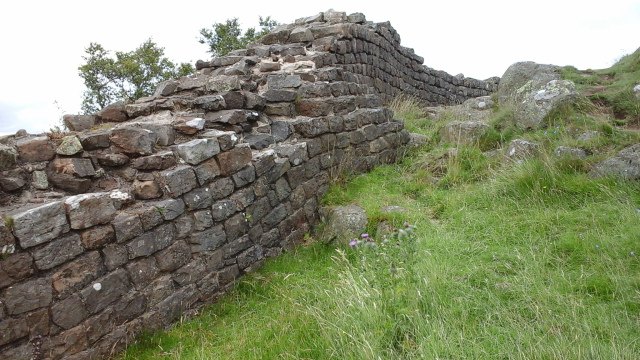
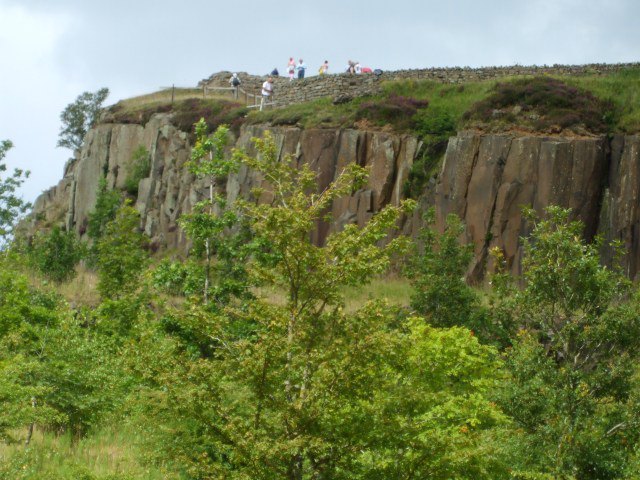
Hadrian’s Wall stretched for 73 miles (80 Roman miles) across country, from Bowness-on-Solway in the west to Wallsend-on-Tyne in the east, and forts were located about every five Roman miles. It followed the natural contours of the Whin Sill Ridge:
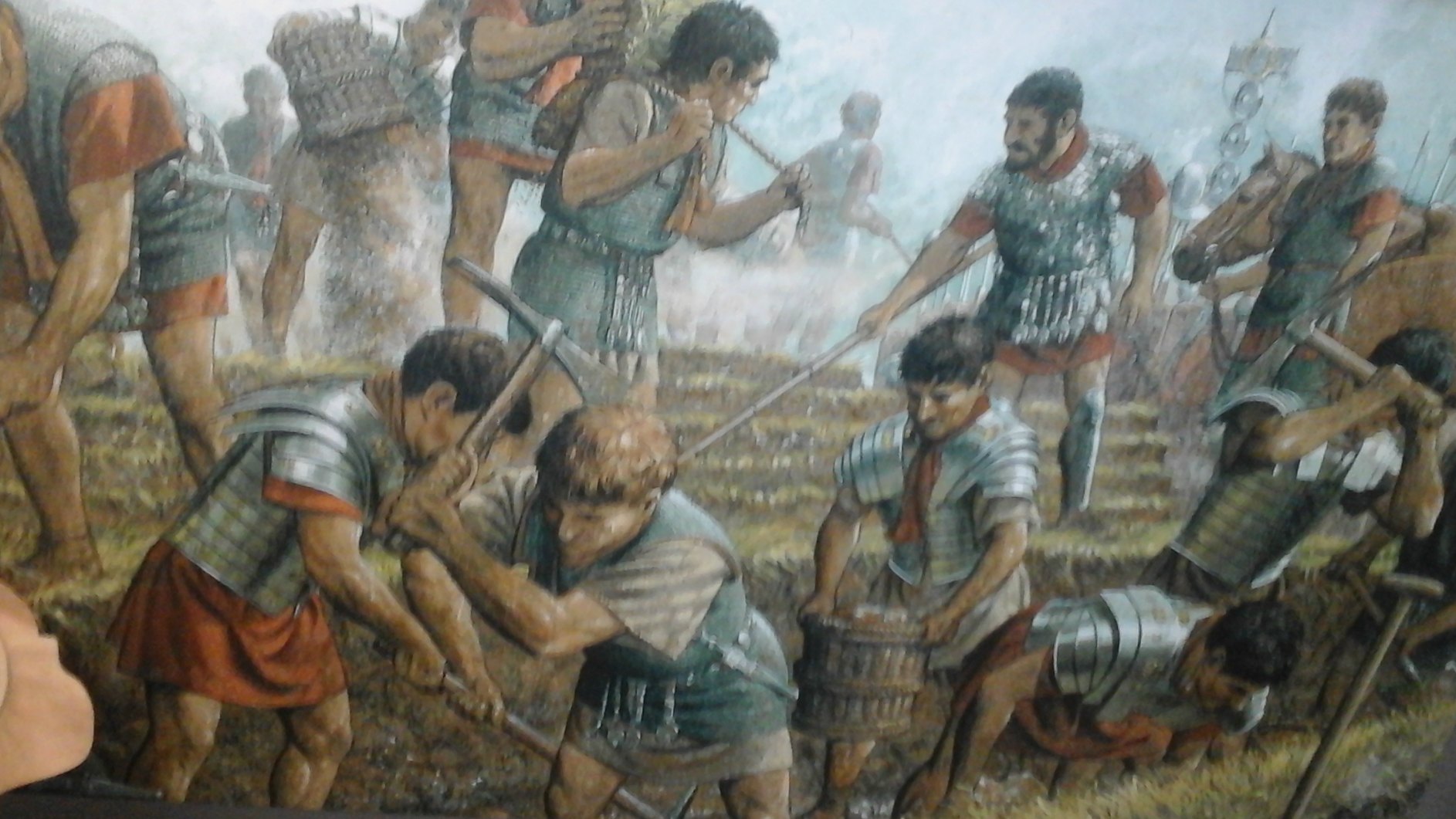
It was built by the soldiers themselves, mostly the legionaries:
Legionaries building the Wall. Photo from Housesteads Visitor Centre.
The Wall is thought to have been up to 3.1 meters thick and about 4-5 meters high. At the top was probably a protected walkway for soldiers on patrol. At first, it was built either of stone or, in the western third, of turf and timber and replaced by stone after 30 years.
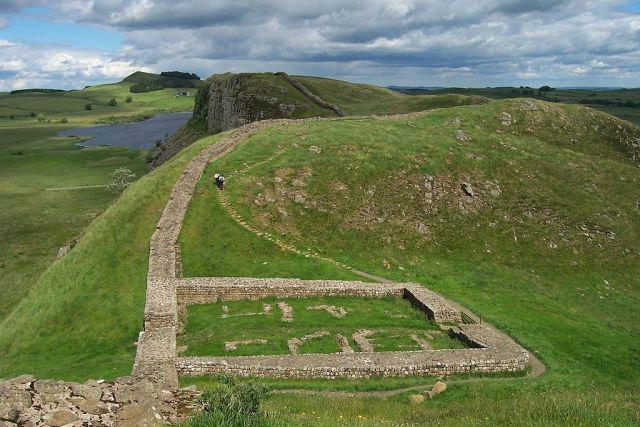
Milecastles were gateways, placed at every mile between the forts, as legal crossing points:
The remains of Castle Nick, Milecastle Milecastle 39, between Housestaeds and Once Brewed Visitor Centre for Northumberland. Author: Adam Cuerden. Public Domain. Wikimedia Commons
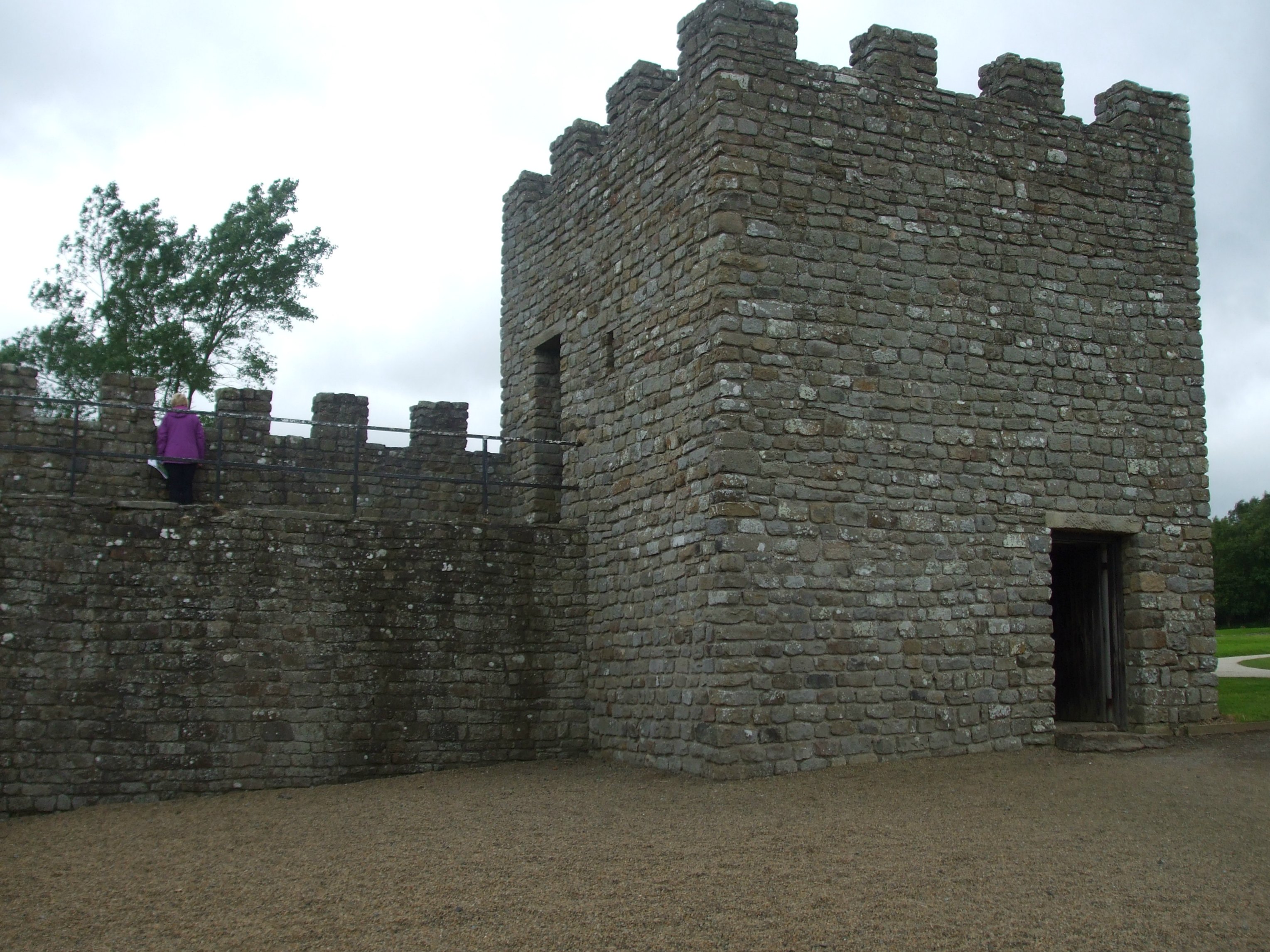
Turrets, or small watch towers, were built into the wall at intervals of a third of a Roman mile (equivalent to 541 yards) i.e. two turrets between each milecastle. The reconstructions below are from Vindolanda (the site of one of the forts along the Stanegate road, already in existence before the Wall was built.):
Wooden turret at VindolandaStone turret at Vindolanda
Below is a reconstruction of a Roman soldier on watch over the Wall – probably at one of the milecastles or turrets. It wasn’t the most pleasant of jobs during the cold northern winters – especially for soldiers used to Mediterranean climes.
During the building of the Wall, it was decided to build an additional 12 or 13 forts actually on the wall line. South of the Wall, a great earthwork known as the Vallum was completed. This consisted of a ditch with a mound set back on either side stretching the length of the frontier from the Tyne to the Solway. Crossings through the Vallum were only at the forts. There was also a ditch on the northern side, except in places where the high ridge or the Solway coast made it unnecessary. Material from this ditch was used to make an outer band on the north side.
Cross section of Hadrian’s Wall. Author: Ujap.de. Creative CommonsVallum at Hadrian’s Wall. Photographer: Optimist on the run. Creative Commons.
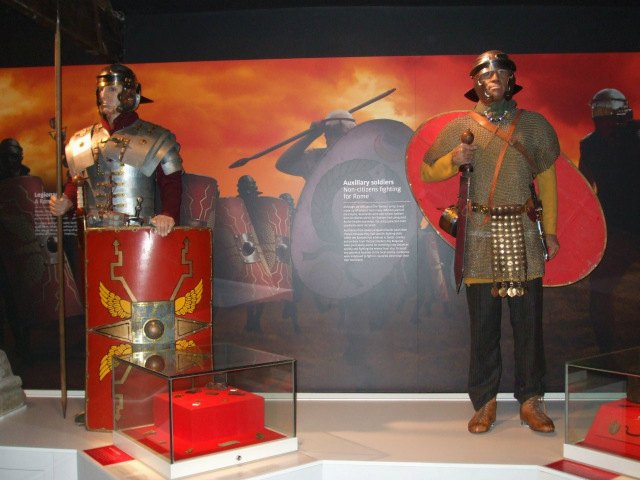
Soldiers from three legions of Britain (Legionaries) came north to build the Wall, with soldiers from the provincial army (Auxilliaries) and even sailors from the fleet to help. In the ‘overbright’ picture below from The Roman Army Museum, the Auxilliary soldier is the one with the oval-shaped shield:
It took them over ten years to complete. But on Hadrian’s death in AD 138, his wall was abandoned on the orders of the new emporer, Antoninus Pius, who ordered the building of a new wall almost 100 miles further north, acoss what is now known as the Central valley of Scotland. It stretched for 37 miles, from the Forth to the Clyde estuaries and, unsurprisingly, became known as the Antonine Wall. After 20 years, it was abandoned in favour of a return to Hadrian’s Wall.
Outside of the forts, civil settlements (vicus) became established, where the soldiers’ families lived. There were also shops and inns in these settlements, seeking to make a living from the soldiers, who were relatively well paid compared to the farmers of the frontier region. l’ll say more about these settlements in my next two posts.
Since the Roman withdrawal from Britain in AD 410, Hadrian’s Wall has gradually reduced in size due to local people plundering the stones, for a variety of purposes. Many churches, farms and field walls, as well as several castles contain stones originally found in the Wall. Plundering continued until the 19th century when archaeological excavations began and interest in the preservation of heritage sites took on an importance. The agricultural revolution of the 18th century also led to further destruction of the Wall as the land was cultivated. Today, although the actual Wall has disappeared in places, it survives in place-names such as Wallsend, Heddon-on-the-Wall and Walton – amongst several others.
I have visited most of the forts along the Wall, as well as The Roman Army Museum at Carvoran. There are several sites I really like, but intend to do posts only about a couple of them. Each site has something different to offer. To finish with, here’s a photo of a Roman Legionary we met at Birdoswald Roman Fort. He was very chatty and friendly and put on his special scowl just ‘for the camera’:
I’ve been nominated again for the Three Quotes Challenge, this time by Nitin Chandran Nair on his blog, Nitin Nair Writes. Thank you Nitin! I know Nitin mostly through the flash fiction challenges, even though I have time for very few of those nowadays. Unfortunately.
Here are the RULES for this one:
1. Post on three consecutive days
2. Pick one or three quotes per day
3. Challenge three different bloggers per day
4. Thank the blogger who nominated you.
For this challenge I’ve decided to post three quotes a day, each day on a different topic.
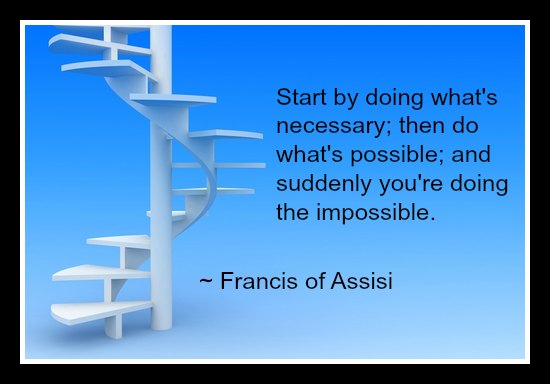
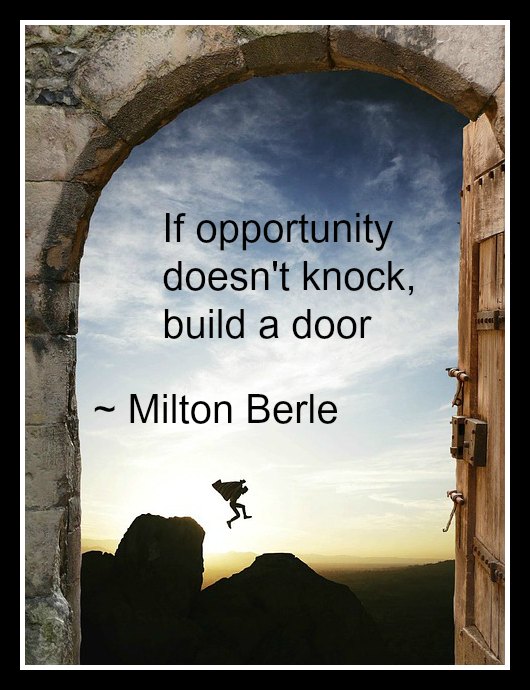
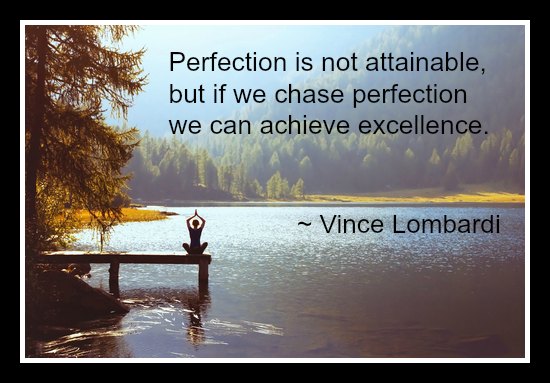
For Day Three I’ve chosen three inspirational quotes (well, I hope they sound inspirational to you). I think we all need inspiration at times, whether it’s to make the right decision or take the right course of action about something, or in order to pursue a piece of creative work, like writing or painting etcetera. Sometimes it can seem as though all inspiration has deserted us – perhaps only patience will ensure its return.
Anyway, here are the quotes:
It strikes me as funny that I should have (coincidentally) chosen three images with the background colour of blue for these quotes. Well, I suppose the sky is blue and that ‘great blue yonder’ definitely holds infinite possibilities – as does the vast, blue ocean. Gazing at the sky (or the sea) seems to inspire calm and thoughtfulness in a person -as well as a good dollop of awe – and perhaps it can put us in the right state of mind for inspiration to strike. Of course, inspiration can come at the strangest of times . . . when we’re taking a shower, lying in bed, swimming a few lengths at the pool or just watching TV, for example. But there’s just something about a cornflower blue sky and azure ocean.
As for the quotes, I like them all, but find the second one to be the most thought-provoking and open to interpretation. The last one begs the question of why “perfection is not attainable”. Do you have any views on that statement?
I’ve been nominated again for the Three Quotes Challenge, this time by Nitin Chandran Nair on his blog, Nitin Nair Writes. Thank you Nitin! I know Nitin mostly through the flash fiction challenges, even though I have time for very few of those nowadays. Unfortunately.
These are the RULES for this one:
1. Post on three consecutive days
2. Pick oneorthree quotes per day
3. Challenge three different bloggers per day
4. Thank the blogger who nominated you.
For this challenge I’ve decided to post three quotes a day, each day on a different topic.
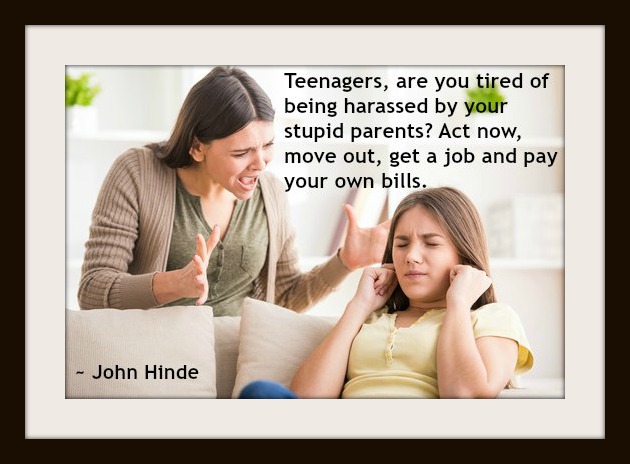
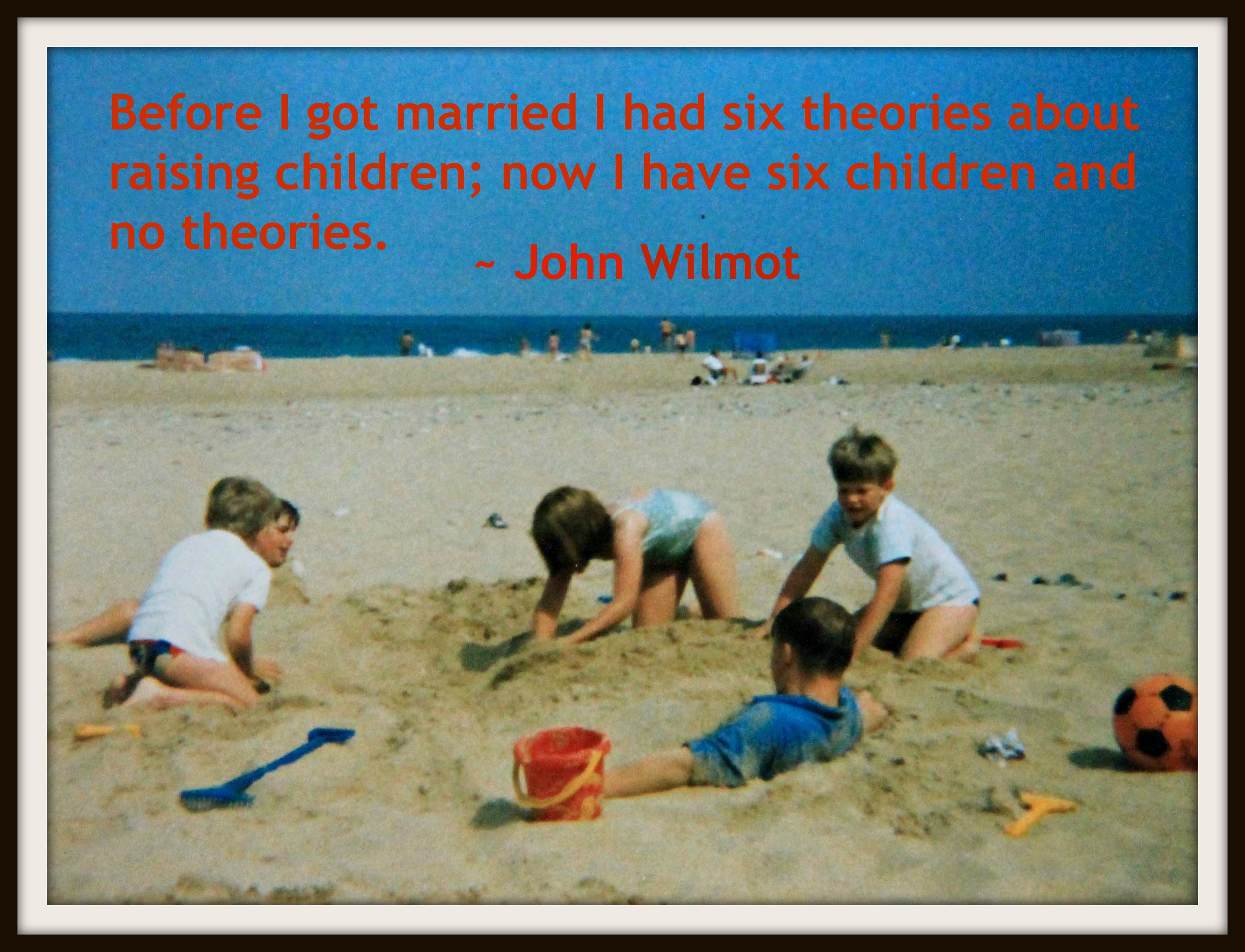
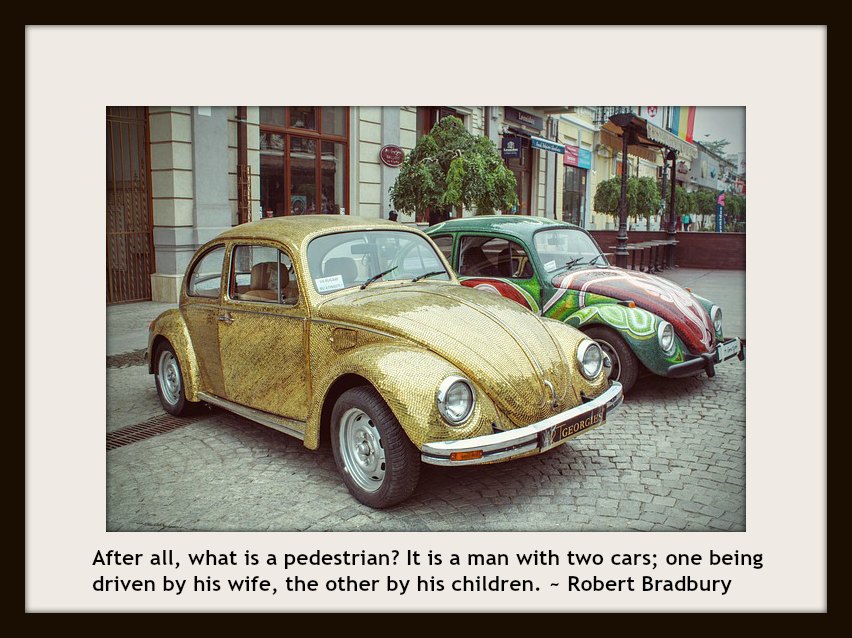
So, here goes with Day 2. As you may well have guessed from the above picture, I’m posting quotes about families today. Those of you who know me, will know that I have six children. Yes, I probably am a glutton for punishment. They’re all well grown up now, the eldest being 43 and the youngest 32. We certainly had a fun time when they were all young, especiallly on those ‘special’ days of the year and holidays together.
As for the quotes, there are dozens out there on this topic, most of them applauding the value of a happy, loving family – the togetherness and support kind of thing. I can’t dispute any of them, but for my quotes today, I’ve tried to pick three quotes that give a slightly different or quirky view of the family unit.
The second of these pictures was taken in 1988 on a Norfolk beach. Our eldest daughter didn’t want to play ‘let’s bury Richard and Neil’ on this occasion, so there are only five children in the photo. Louise is the one in the middle, piling up the sand. (Perhaps she was looking for fairies for her future blog. :)) It’s a photo of an old photo, so the quality is awful – sorry about that – but it was the nearest picture I could find to suit the quote.
I can relate to the first two of these quotes very well, but the last one not so much.
I’ve been nominated again for the Three Quotes Challenge, this time by Nitin Chandran Nair on his blog, Nitin Nair Writes. Thank you Nitin! I know Nitin mostly through the flash fiction challenges, even though I have time for very few of those nowadays. Unfortunately.
So . . . here are the RULES for this one:
1. Post on three consecutive days
2. Pick one or three quotes per day
3. Challenge three different bloggers per day
4. Thank the blogger who nominated you.
For this challenge I’ve decided to post three quotes a day, each day on a different topic.
For Day One I’ve chosen to do quotes about Books and Reading. Books have featured hugely in my life as far back as I can remember (and my memory goes back as far as the early 1950s). My father was a big reader and introduced us – myself, my sister and brother – to the joys of the library from a very young age. A day never goes by when I don’t read at least a few pages.
There are so many good quotes about, I was stuck for choice, but I eventually settled on the following three:
I can relate to all three of these quotes . . .
The first one happens to me a lot. Characters are so important in a story; we become engrossed in their stories, their ups and downs, their loves and hates . . . As we read on, we begin to feel as though we know them personally. Is it any surprise that when the book ends, we feel as though we’ve lost a friend (or two?).
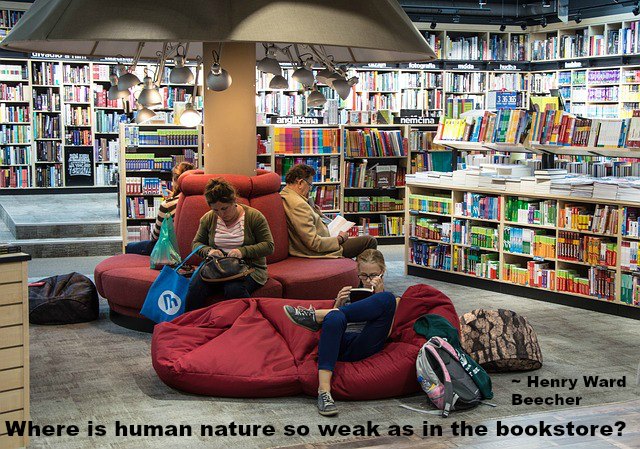
As for the second quote . . . all I can say is that I daren’t walk into Waterstones, or any other bookstore, if I’m in a hurry. How could anyone resist browsing the shelves for several wonderful hours . . . or spending a lot of money?
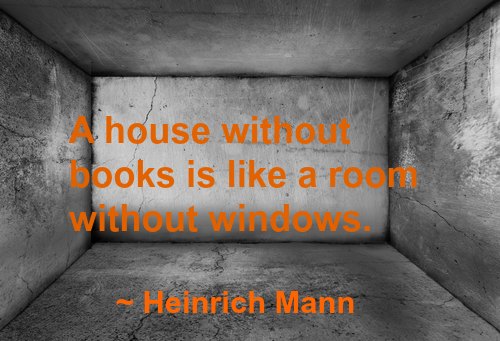
I find the third quote the most thought-provoking of the three. To me, reading brings ‘enlightenment’ – by which I mean a better understanding of people and the world in which we live. Whether the story is set in the past or the present, human nature is revealed in a way that we can relate to in one way or another. Understanding of so much is closed to anyone denied of books.
I would love to hear other people’s views on any of these quotes. I know that plenty of you share my love of books and reading.






























 Millie Thom