Pit of Vipers

1589388887

Sons of Kings: Book Two

The lives of Alfred of Wessex and Eadwulf of Mercia continue to unfold against the ever-increasing threat of Danish raids. Now back in his homeland, Eadwulf sets out on his determined quest for revenge, whilst Alfred’s leadership skills develop at the courts of his successive brothers. Before long, those skills will be put to the test.

The Danish invasion of the Anglo-Saxon kingdoms in 865 is merciless and relentless. Every year more Norse ships come to join their comrades in a quest to plunder for wealth and gain domination over the people. The Wessex king is now Aethelred, Alfred’s last surviving brother, and Alfred becomes his trusted second-in-command. Whilst the Danes take kingdom after kingdom, the brothers wait with baited breath for them to set their sights on Wessex.

By 869 their worst fear is realised.

pit awards

Some of the 5 star reviews of Pit of Vipers:

    • If you like Bernard Cornwell’s Uhtred series, you’ll like this … BJ Kitchen, Amazon.com
    • If you like spellbinding historical fiction with plenty of grueling action, you’ve got to read Pit of Vipers. Fans of the Dark Ages and The Vikings will love this book. Highly recommend! N.N. Light Amazon.com
    • Anyone interested in the time of the Vikings and their addition to the creation of the English will thoroughly enjoy this book. For those of us who enjoy Griff Hosker, Bernard Cornwall and Jerry Autieri, try this new series by Millie Thom…Excellent! ~ Sue Merritt Amazon.com
    • A great find for historical fiction fans … SPR editorial review


Pit advert for blog

BUY IT NOW ON

amazon-button-png-3

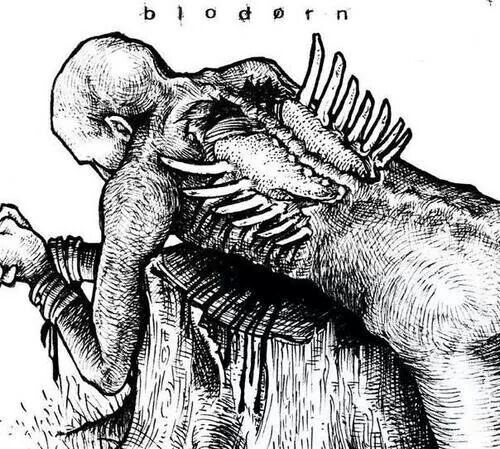
The Horrors of the Blood Eagle.

10648971_292228200969226_128901728781322149_o

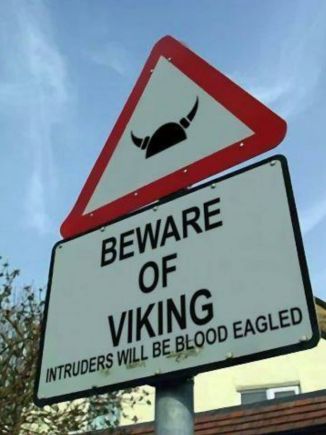
This incredible hazard sign was shared on Facebook on November 11th by The Heathen Mead Hall. It was one of my daughters who drew my attention to it. I don’t know where the sign came from, or who made it, but it’s quite hilarious – considering it refers to such a gruesome thing.

I’m sure that anyone who has been following the TV series ‘Vikings’ will already be familiar with what the blood eagle execution entailed. I haven’t watched the series, for the same reason that I haven’t read the wonderful Bernard Cornwell’s books about King Alfred and the Danes. I don’t want to be influenced in any way by what either say/show until I’ve finished my own books.

Here’s the blood eagle scene from the ‘Vikings’ Tv Series, uploaded to YouTube by Star Wolf:

Wikipedia tells us that the blood eagle was a method of execution, ‘performed by cutting the skin of the victim by the spine, breaking the ribs so they resembled blood-stained wings, and pulling the lungs out through the wounds in the victim’s back. Salt was sprinkled in the wounds. Victims of the method of execution, as mentioned in skaldic poetry and the Norse sagas, are believed to have included King Aella of Northumbria, Halfdan son of King Harald Harfagri of Norway, King Maelgualai of Munster, and possibly Archbishop Aelfeah of Canterbury’.

I’d like to add a couple of points about this barbaric ritual. I’ve referred to, and combined, a number of sources here, so if there are any mistakes, they are my own. Historians today are still in dispute over the authenticity of such accounts. The Viking Orkney website discusses whether the blood eagle was really a method of execution, or simply a literary addition, included for dramatic effect. It tells us that the blood eagle appears in several Nordic accounts, including one from the Anglo Saxon Chronicle. In that we hear how the Northumbrian king, Aella, was executed by Ivar the Boneless:

“They caused the bloody eagle to be carved on the back of Ælla, and they cut away all of the ribs from the spine, and then they ripped out his lungs.”

It also appears in Norna-Gests páttr, where Regin executes Lyngvi:

“Regin then took his sword from me, and with it carved Lyngvi’s back until the ribs were cut from the back, and the lungs drawn out. Thus Lyngvi died with great valour.”

Some scholars firmly believe that the blood eagle took place. Others believe it could be derived from metaphors used in Skaldic verse – as in the saga attributed to Einar, in which the term ‘eagle’s claws’ represents violent death. Following Halfdan’s death, Einar recited:

“Mighty men of no mean race,
From divers mansions of the earth;
But for that they do not know,
These, until they lay me low,
Which of us the eagle’s claws
Shall bow beneath ere all be o’er.”

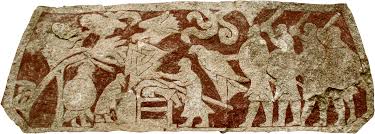
It’s been suggested that this could be the source of the blood eagle episode. But whether the practice was used or not is still highly debatable, although take a look at this image on the Hannars I Stone on the island of Gotland. It clearly shows a person lying on their front over a table and someone attacking his back with a weapon:

images (2)
A scene from the Stora Hammars 1 stone. Author: The Man in Question (from source: Sacrificial scene on Hammar). Creative Commons.

Viking novels and films have become popular in recent years – many of them including scenes of extreme violence and brutality. They make good reading or viewing. And as long as we don’t accept everything we read or watch as totally accurate, that’s fine. I even have a ‘blood-eagling’ scene in my own second book. But I take care not to present all the Vikings as totally evil and/or debauched. I even have some rather nice ones.

Another gruesome image – but not exactly primary evidence.

574431c10852ddb294f159969674236f
Image from Pinterest

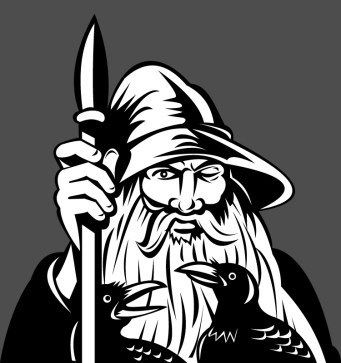
A Viking sacrifice to Odin

shutterstock_44316751

Norse mythology tells us that blood sacrifices to placate the gods took place at the key times of year – spring, summer, autumn and mid winter. Some archaeological and documented evidence also supports this. Blood sacfrifices were known as ‘blots’ -the Misumarblot, for example. Though fairly scant, there is evidence to support the idea that human sacrifice took place as well as animal.

Here’s my version of one such ceremony. It’s from my book, Shadow of the Raven. The manner of’ killing the victim I describe was selected from a few different methods I’ve read about. Gruesome stuff! Here it is:


In the sombre, grey light before sunrise, the people of Aros filed from their longhouses and followed their jarl in his flowing white robes. Guided by the fiery luminance of torches borne by a handful of thralls, the column moved in respectful silence along a narrow path that snaked between the cultivated fields and up the gentle slope behind the village. On the crest of the hill stood the sacred grove, a short way from the woodland where Eadwulf had recently collected kindling for winter fires. The ancient oaks loomed dark and ominous against the silvery-grey of the lightening sky and Eadwulf shivered, overcome with sudden foreboding.

The silent train streamed between the outer rings of trees to a clearing within. At its centre a solitary oak towered proudly over its attendants; a truly gigantic tree, the girth of its trunk of such immense proportions. Its lower branches were thick and sturdy, reaching out and dividing into myriad, twisted routeways; its still abundant foliage evidence of the oak’s jealous retention of its leaves long after most forest trees stood denuded and exposed.

The jarl’s small group positioned themselves into the shape of an arrowhead, tapering away from the wide trunk, the single figure of the jarl comprising the arrowhead’s tip. Behind him stood his sons, Bjorn, Ivar and Halfdan, and five of his men formed the rear. Amongst them was the brutal Ulrik.

Ragnar moved three paces forward, and turned to face the oak, his robes shimmering in the torchlight as he raised his arms.

‘O . . . di . . . in,’ he intoned, sinking to his knees. ‘All-Father, lord of wisdom, war and death, mighty god of all gods . . .’ Around the grove the people knelt, lifting their arms to the tree. ‘We are humbled in the shadow of your sacred oak, knowing that you are close. I, Ragnar, priest of the gods, beseech you, Father: hear the voice of your humble servant.’

‘Odin, Odin . . .’ The chanting began, rising to fever pitch before settling to a lilting hum; outstretched arms swayed like meadow grasses in the breeze. People were surely evoking the very presence of their god.

‘The wheel of the seasons has turned and winter will soon be upon us,’ Ragnar’s baritone rang out. ‘We bring our gifts of thanks and ask that you safeguard your people from the hardships of the frozen months. Let them live to serve you.’

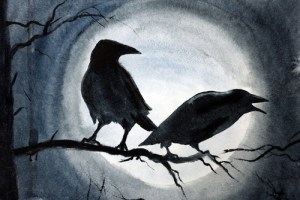
A strong, unheralded gust swept the grove, whistling through the oak’s branches. Torches listed wildly and the droning stopped. ‘God of gods, lord of earth and sky, giver and taker of life,’ Ragnar intoned, his hands reaching up to two black shapes, now perched on the thick branch above his head. ‘We are unworthy to look upon your holy companions and avert our eyes in their presence.’

Eadwulf stayed on his knees, not understanding what was happening. He knew that Odin’s ravens, Hugin and Munin – Thought and Memory – were believed to be the god’s eyes and ears; awesome, black birds sent out each dawn to fly over Midgard, gathering information to report to Odin by the evening. But he’d always dismissed such a story as pagan nonsense before.

Ragnar rose and faced the kneeling crowd. ‘To your feet, my people, and witness our offerings to the All-Father, who has given his sign of acceptance.’

The wasted body of Cendred was dragged from the wagon, his wrists bound behind him. Panic and anger surged through Eadwulf and he drew breath to cry out.

‘Do not make a sound,’ Toke hissed. ‘Great insult to Odin if you do.’ His eyes flicked up to the tree’s thick branches. ‘Could be you or me up there next.’

Cendred slumped, seeming resigned to his gruesome end after weeks of imprisonment. His filthy clothes hung limp on his half-starved body; his hair greasy and matted from his bowed head, concealing whatever expression was on his face. At his sides two of Ragnar’s men stood grim-faced, and a few paces behind, Ulrik held a huge, heavy-headed axe. Close by, Bjorn carried a large coil of thick rope.

‘Odin!’ Ragnar shouted. ‘May the lifeblood of our people’s enemy please and strengthen you.’

Cendred was yanked to his feet and the heavy, flat handle of the axe-head crashed down on his skull. Eadwulf recoiled from the sickening crunch of shattering bones as Cendred’s head caved in like a crushed eggshell under the force of Ulrik’s strength.

The lifeless body sprawled on the rotting leaves, his blood soaking into the earth. Bjorn severed the bonds holding Cendred’s arms and rolled him over, rebinding his wrists above his head with one end of rope. The two warriors dragged the corpse beneath a thick branch close to the ravens and Bjorn hurled the loose end of the rope over it. Cendred’s body was hauled up high, where Eadwulf guessed it would stay, dangling by the wrists to feed the crows.

Bright-eyed and motionless, the ravens surveyed all.

Ragnar clutched the sacrificial knife above his head. ‘Odin!’ he yelled. ‘Remember our gifts when winter comes. Let the season be kind, our huntsmen find success, and our people survive!’

The ravens lifted their wings to take flight and the strange, gusting wind raged a second time. The flapping of silken feathers hummed through the grove, then the black shapes soared into the distance to continue their daily tasks for the All-Father.
shutterstock_204011722


In this extract, Eadwulf has been a thrall/slave of the Danes for a few months, and is still striving to come to terms with their customs and way of life. This is his first experience of a human sacrifice to Odin, the highest of the gods and father of the great Thor. It takes place in late October – a few days after the horse sacrifice to Thor I described in a recent post – when people have the bleakness of  winter ahead of them.

Aros was in the region of modern-day Aahus.


Accept our offering, mighty Thor . . .

shutterstock_144162493
The sun hung low in the near-cloudless sky, the late afternoon dry and cold with the promise of frost when darkness fell. Winter was nudging her icy nose into people’s lives and they did not relish the prospect. They’d done all in their power to ensure the well-being of the village during the bleak months ahead and hoped their hard work would reap its dividend. All that was needful now was the blessing of the gods. In sombre mood, villagers waited for the ceremony to begin. Continue reading “Accept our offering, mighty Thor . . .”
The City of York – a gem of a place for historical fiction writers

022

Last Tuesday, my husband and I had a trip out to the wonderful old city of York. We’re regular visitors to the city itself, which is roughly eighty miles from where we live, but on this occasion our main purpose was to  revisit the Jorvik Viking Centre. We hadn’t been to Jorvik since the early 1990’s and the whole place has been considerably updated since then, although the basic layout of the Viking streets was much as I remembered it.

JOR30-red-1024x284
Jorvik Viking Centre is 30 years’ old!

York itself is a magnet for tourists from many parts of the world. Cameras are out wherever you go in the central areas, aiming to capture as many of the beautiful or quaint old buildings as possible. Others aim for more specific periods of history, because York is one of those places that display a veritable journey through time.

To quote from Wikipedia:

The history of York as a city dates to the beginning of the first millennium AD but archaeological evidence for the presence of people in the region of York date back much further to between 8000 and 7000 BC.’

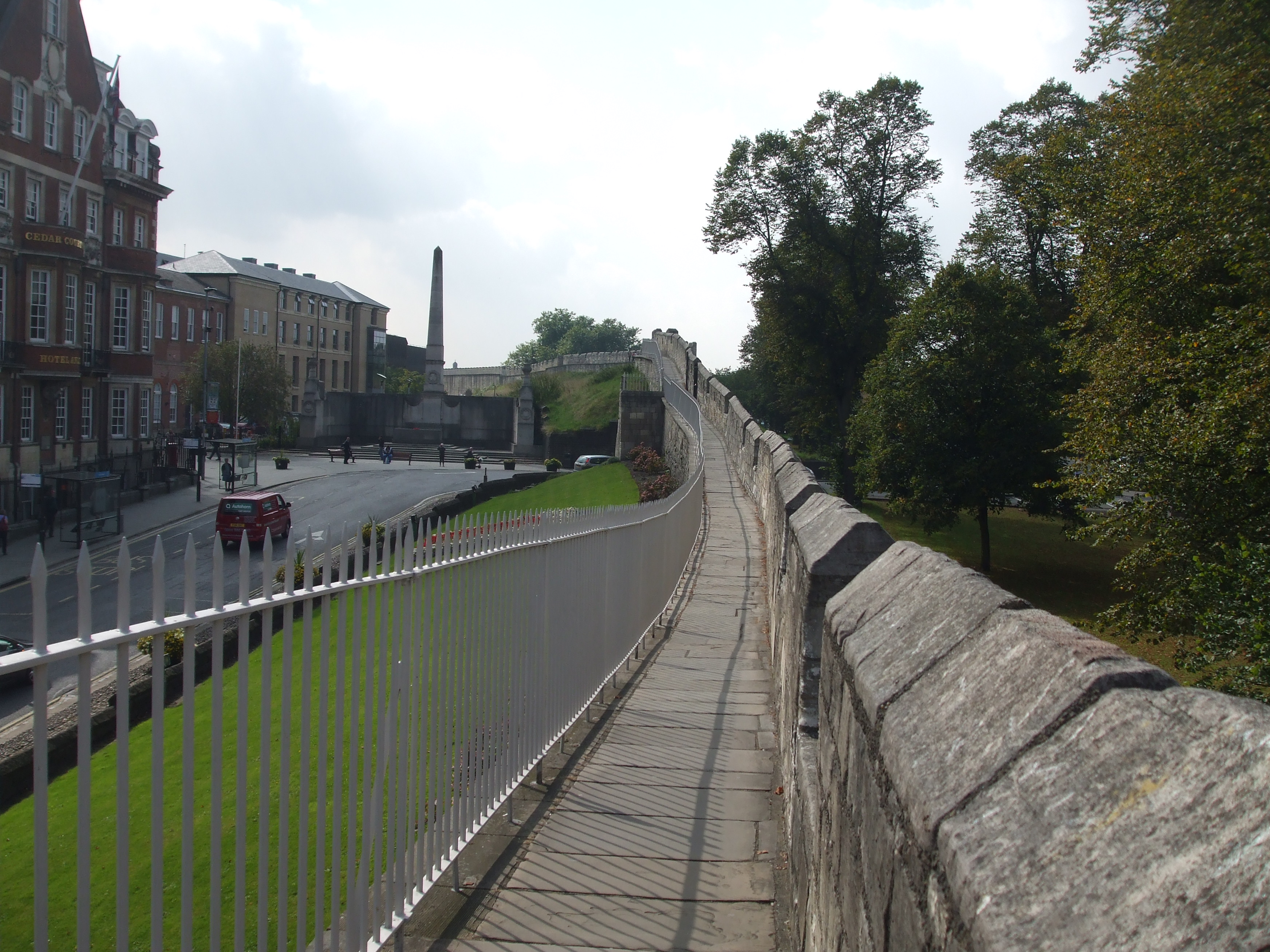
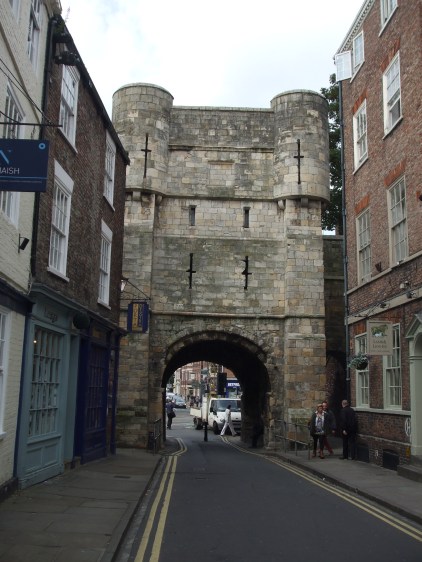
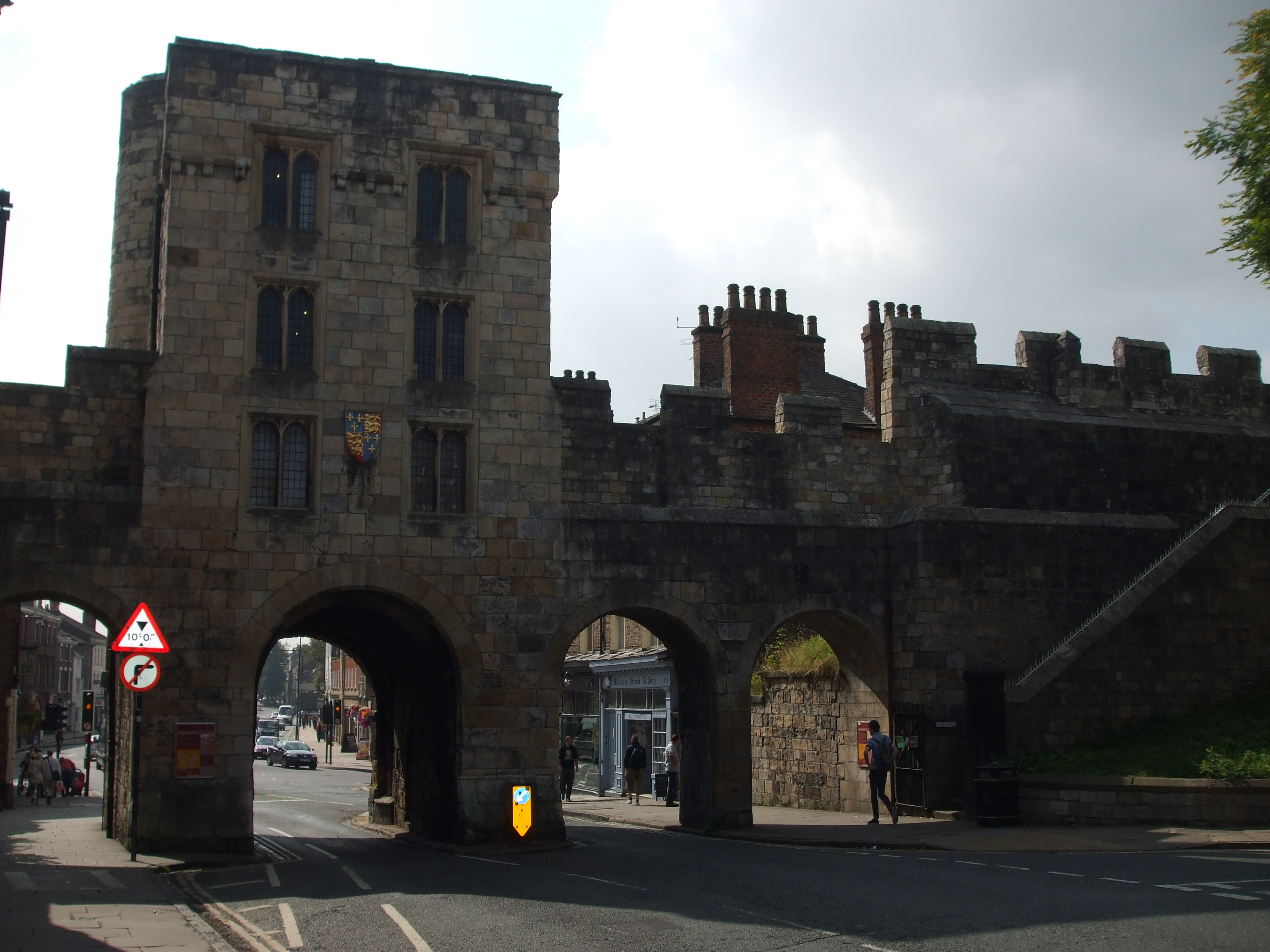
In the first century AD, the town was called Eboracum, and was one of the major Roman cities – their ‘capital’ in the North of Britain. Prior to that, the region belonged to Celtic tribes, the most well know of which were the Brigantes. There’s abundant evidence for the Roman occupation around the city, from the town walls and gates . . .

028
Section of the Roman Wall
020
Bootham Bar – the main , northbound gateways in the Roman wall
Micklegate Bar
Micklegate Bar

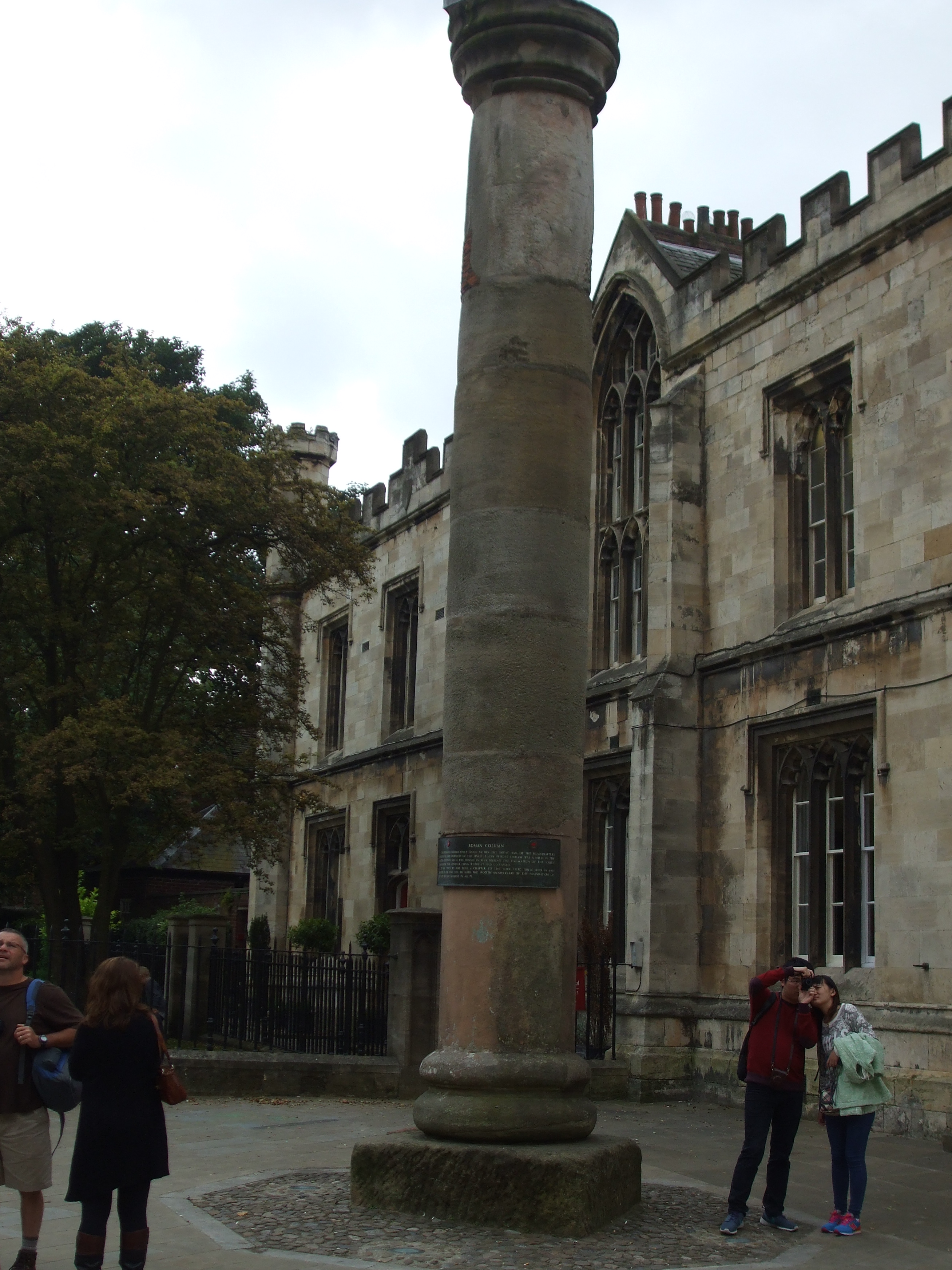
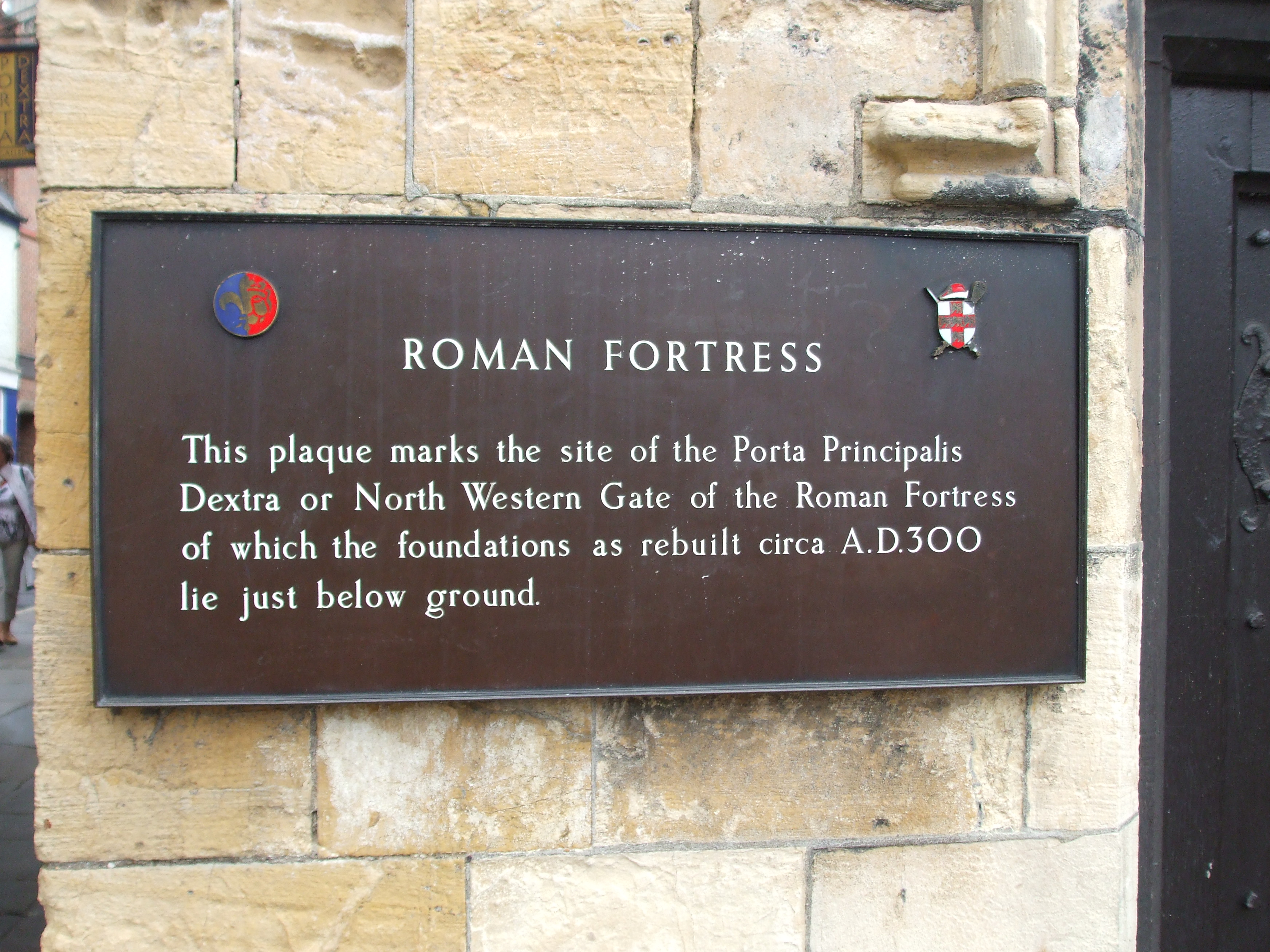
. . . to columns and plaques signifying what once stood on particular sites, as well as umpteen artefacts in The Yorkshire Museum.

014
Roman column
021
Plaque at Bootham Bar

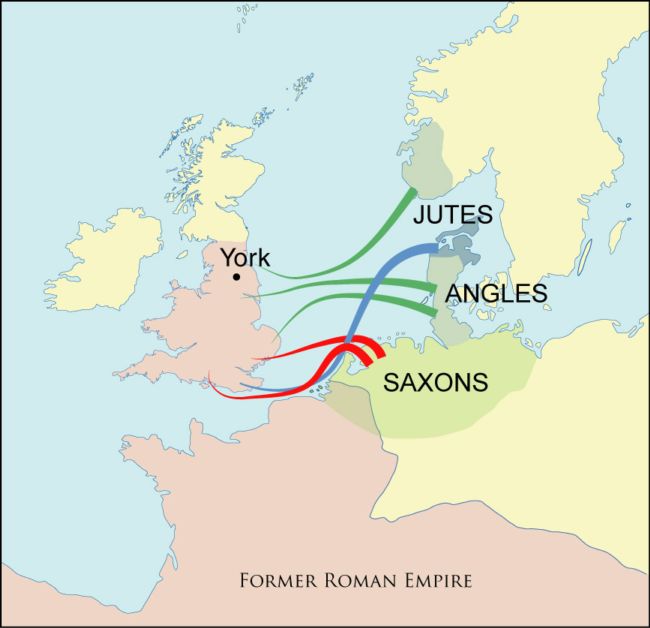
Following Roman withdrawal from Britain, the whole country was left open to raiders from across the sea – notably at this period, those we call the Anglo Saxons. The map shows areas on the Continent from which some of these peoples came:

anglian-homelands
Where the Anglo-Saxon peoples came from

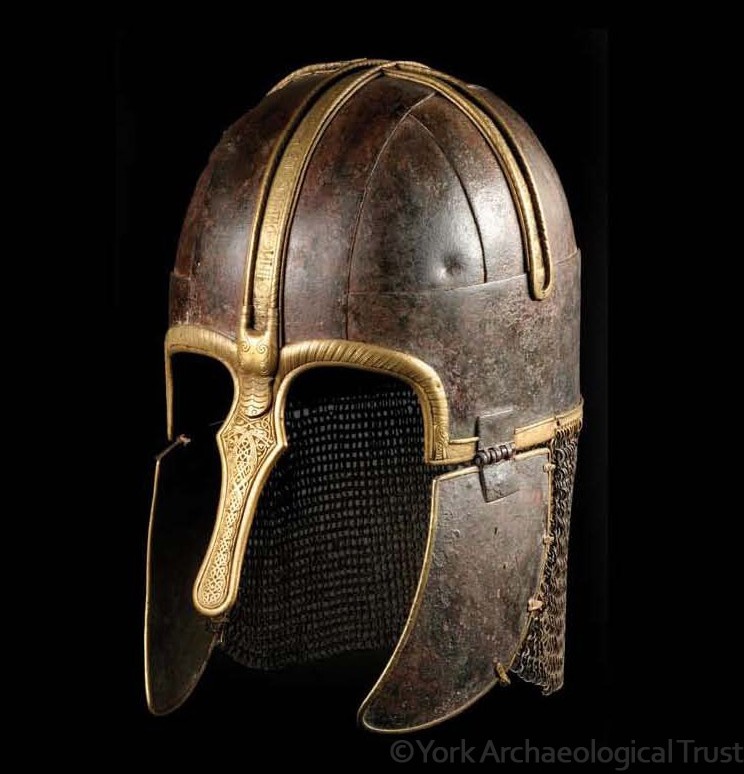
It was the Angles who mainly settled in Northumbria, the Saxons being much further south. The Angles called the city, Eorforwic (in some texts Eorferwic). The favoured building material of the Anglo-Saxons was wood, which, unfortunately for archaeologists and historians, does not endure through the centuries. So, little remains of Anglo-Saxon York other than general artefacts, like this 8th century helmet found on Coppergate, which also happens to be the the main street in Viking York.

coppergate-walk-sign-1024x151

Coppergate-Helmet
The Coppergate Helmet – Coppergate also happens to be the main street in Viking York.

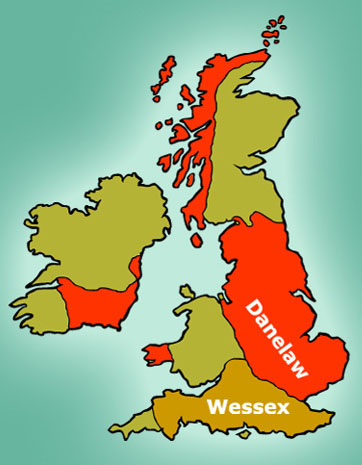
The Vikings (mostly Danes) first subjugated York in 866, a year after the arrival of what we call the ‘Great Heathen Army’ in East Anglia 865. Danish settlement in the area would doubtless have taken place gradually, but by the time of the establishment of the Danelaw (following a treaty between Alfred the Great  and the Danish leader, Guthrum, in 886) the Anglo-Saxon name of Eorforwic had become the Danish name, Jorvik.

danelaw
The Danelaw

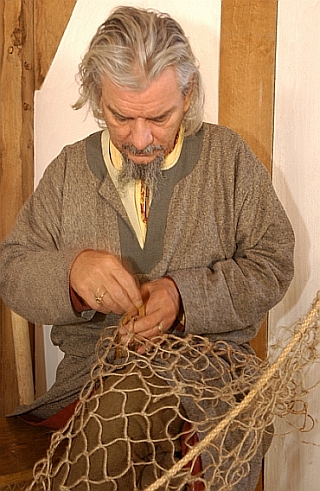
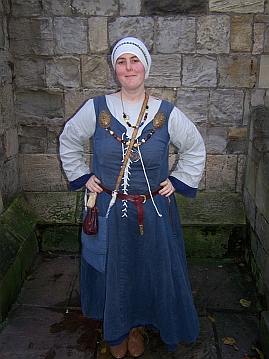
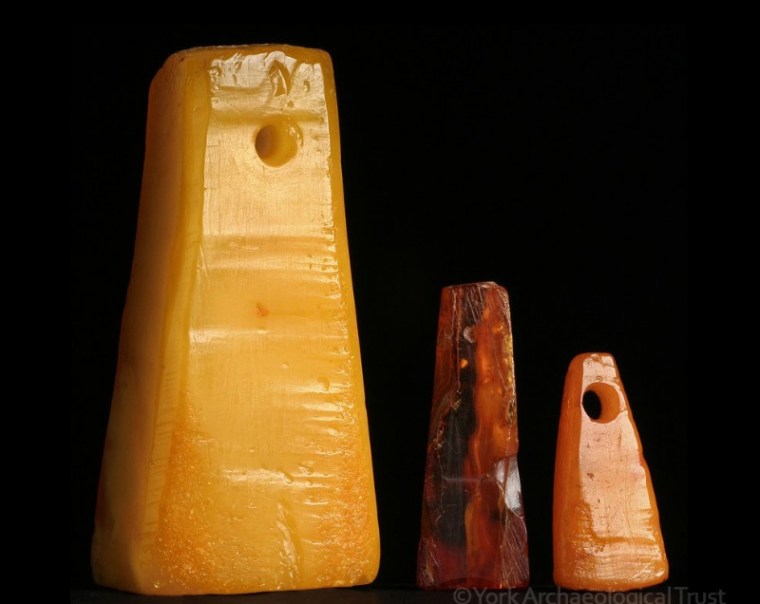
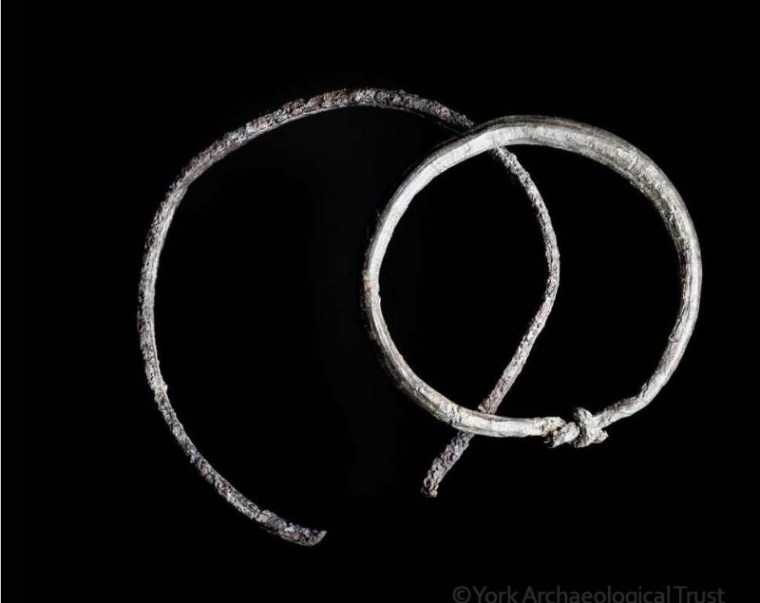
Here are some illustrations  and artefacts from the Jorvik Viking Centre website. As in most museums, flash photography is forbidden (which meant that our camera was banned) so if photos are wanted, visitors need to remember to carry something with a built-in flash. The marketing manager, Mr. Paul Whiting, very kindly suggested I use the photos from their website. Here’s the link -Jorvik for anyone who’d like to have a look for themselves:

Woodturner
howdidtheylive
Fisherman working on his net
howdidtheylive2
Viking woman in traditional dress
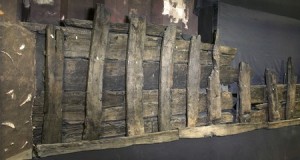
timbers-300x160
Jorvik building timbers

The Jorvik holds several events over the year, which cover the whole period of Viking York up to the time of the Norman Invasion in 1066. After that date the tale of Medieval York begins – for which there is boundless evidence all over the city . . . And so on through to more recent times. The ‘veritable journey through time’ to which I referred earlier can be seen through the strata meticulously displayed in the Jorvik Centre.

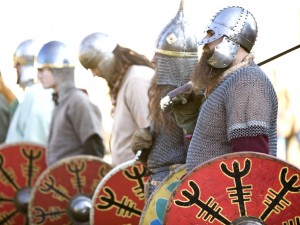
image517-300x225
Ready for the shield-wall
Amber
Arm-rings
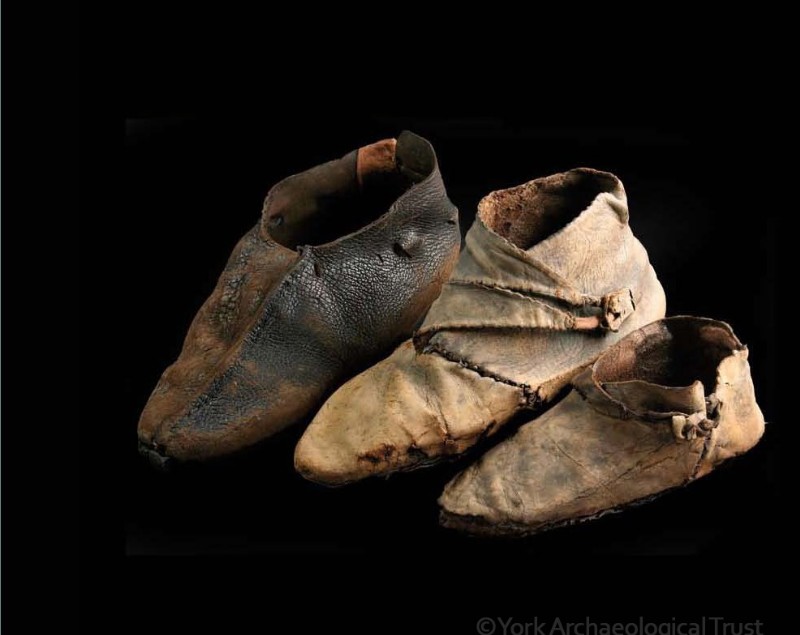
Leather-Shoes
Leather shoes
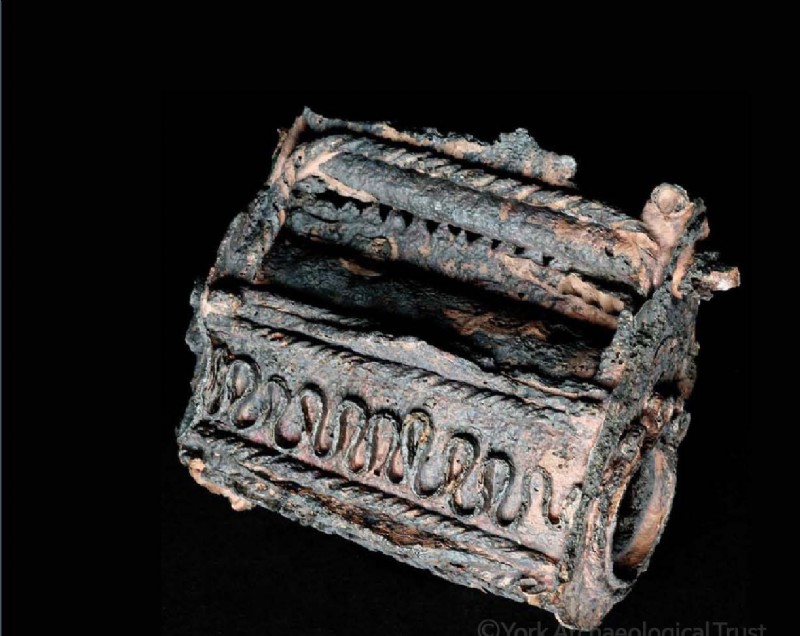
Padlock
Padlock
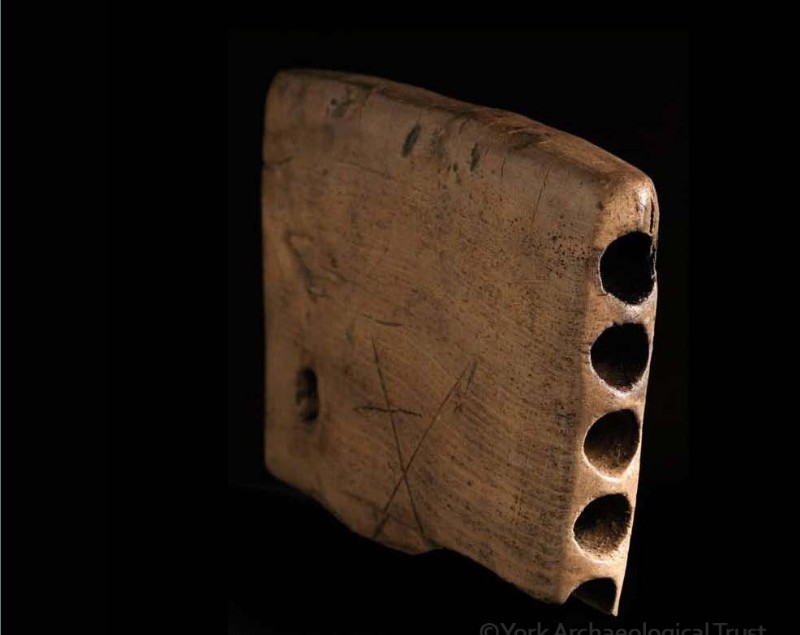
Pan-Pipes
Pan-pipes

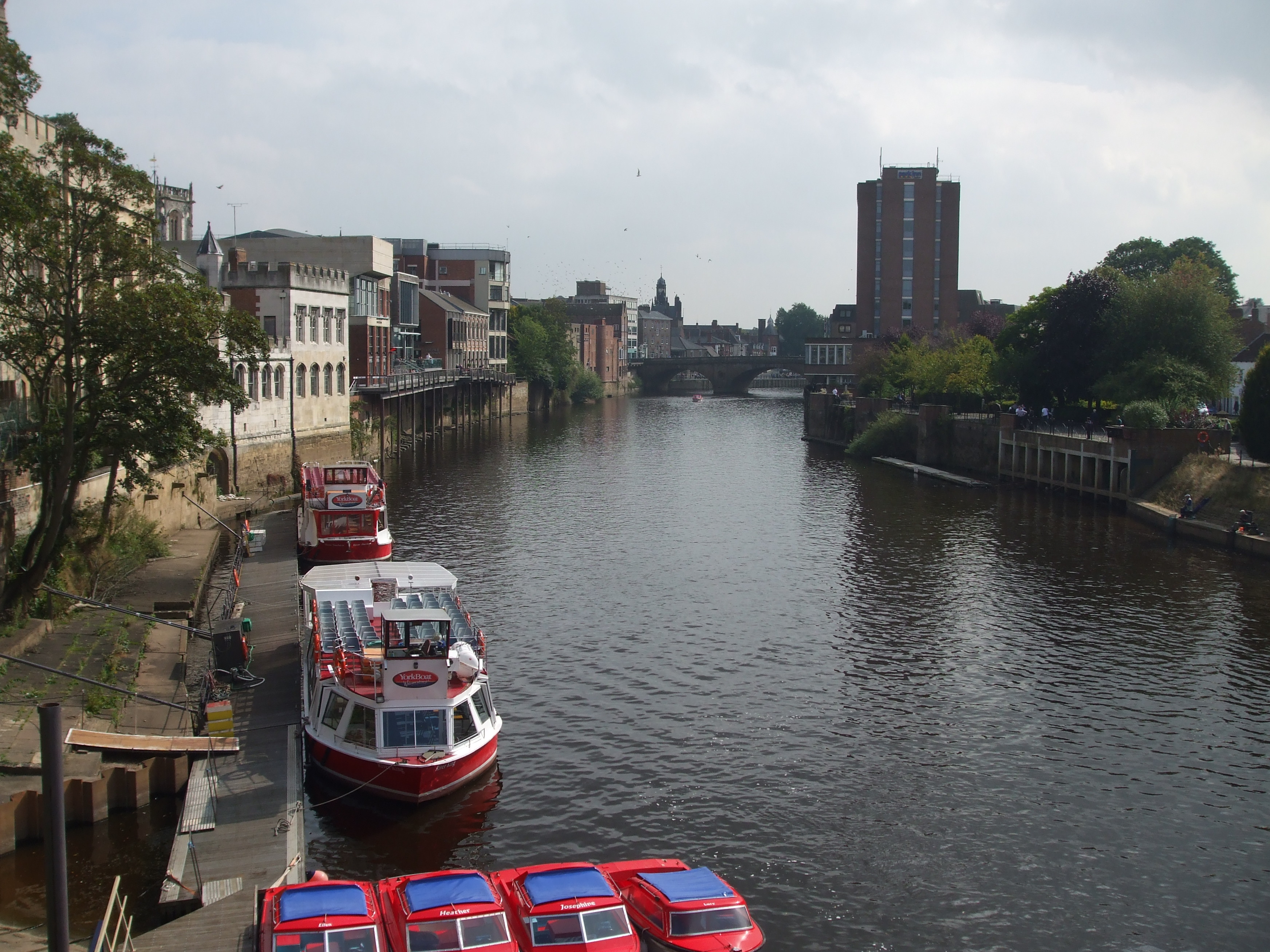
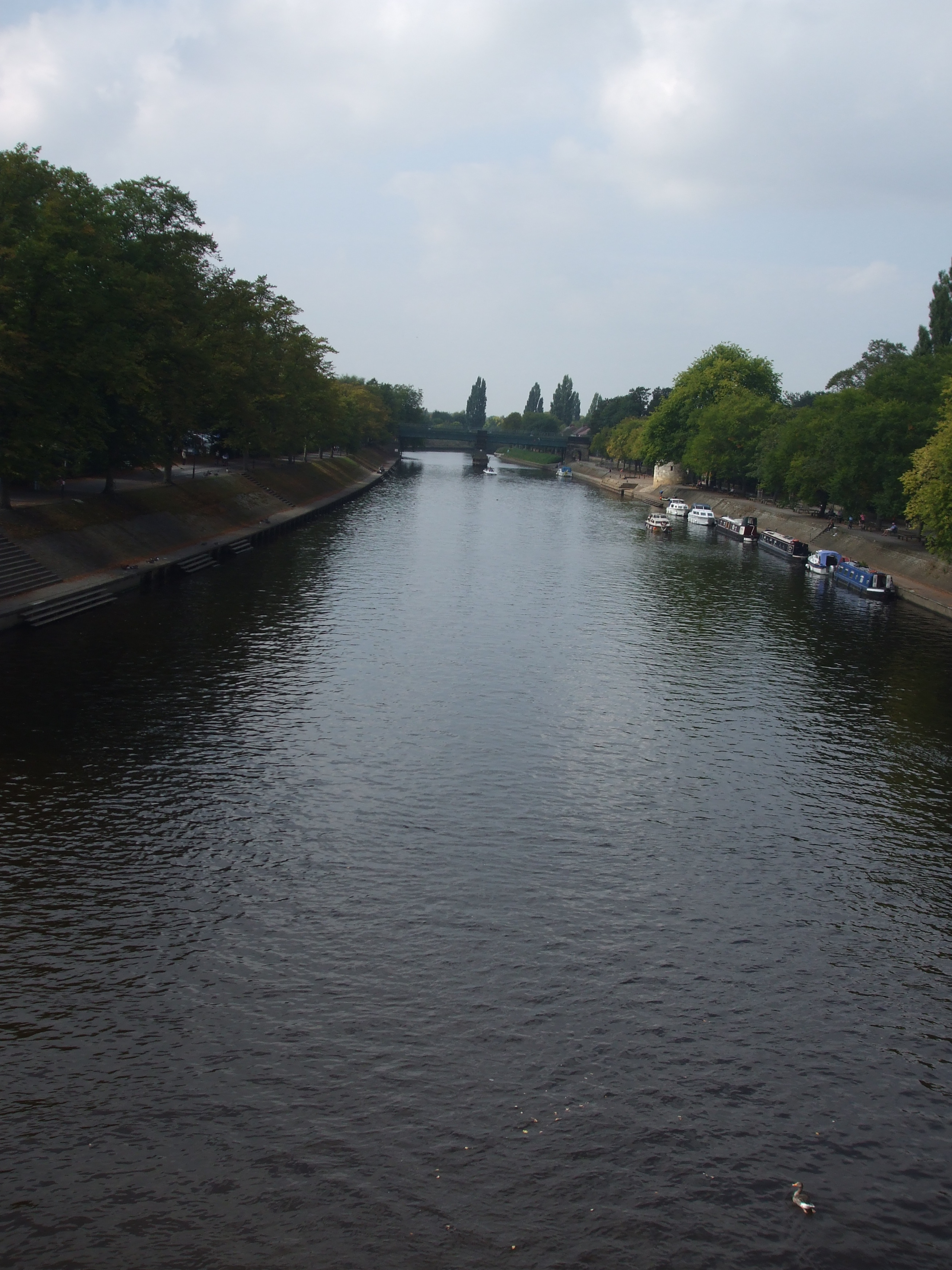
York has been like a honey-pot to settlers since ancient times. The River Ouse, which flows through the city and out to the North Sea, would have provided a natural route inland for settlers and raiders alike.

024
River Ouse

The river’s confluence with the smaller River Foss provided the requisite natural defences for the early city, and the surrounding fertile and flat land was ideal for crops.

Since my Sons of Kings trilogy is set in the mid-late 9th century, it’s the Anglo-Saxon and Viking evidence that presently draws me to York. But I also love all things Roman and medieval. After the end of the Wars of the Roses in 1487 my interest tends to wane, but it sparks right back up again with the onset of the Victorian period and the First World War.

But right now, I’m even dreaming of Anglo-Saxons and ‘Vikings’ – and King Alfred’s almighty struggle to keep his kingdom . . .

Vikings! Who Were They – And How Did They Get That Name, Anyway?

shutterstock_150508262

The definition of the word ‘Viking’ in the Oxford Dictionaries is as follows:

Any of the Scandinavian seafaring pirates who raided and settled in many parts of North West Europe in the 8th and 9th centuries.

According to many films, TV series (not documentaries) and novels, the hiss of that single word, ‘Vikings!’, stuck terror into the hearts of peoples across North West Europe – especially the inhabitants of coastal or riverine settlements. But, from what I’ve deduced from a variety of texts, the word was not generally used at the time.

The origin of the word is still open to debate, but it’s undoubtedly an ancient word, as it appears on rune stones of the Viking Age. In some cases it refers to a person who travels, or an adventurer, and it is possible that even at this time the word applied to raiders. Yet, according to David Wilson in his book, ‘The Vikings of the Isle of Man’, the term was not in general usage in the English language until the mid nineteenth century.

Referring to the Hurstwic website:

In the Norse language, vikingr means a man from vik, where vik may have the sense of a bay, or the specific bay called Vikin in the south of Norway. Perhaps the name was applied because the first Viking raiders were from Vikin, or perhaps the raiders waited in sheltered bays for their victims.

shutterstock_167851352

No one can doubt that such raids took place but, at the time, the marauders, and later on, settlers, would collectively have been referred to as ‘Northmen’, or ‘Norsemen’ – men from the north.

In the ninth century, the Northmen / Norsemen who raided and eventually settled in the Anglo-Saxon kingdoms (which did not become known as England until the tenth century) would have come primarily from the area we now know as Denmark and from Norway. Most of the Swedes tended to head east, up river valleys into the heart of Eurasia. Like England, the names of Denmark, Norway and Sweden did not exist either, and the entire region would have been called the Norselands.

shutterstock_117777481

When writing fiction, this becomes quite problematic, and it is often easier to use the names we know today – which I have done in places in my own novels, Shadow of the Raven and Pit of Vipers (the latter should be on Amazon soon).

I know I’m not alone when I say I find the Viking world fascinating. Norse mythology is both complex and colourful, the multiple gods and goddesses and their entire universe a trigger for the imagination.

shutterstock_56714761
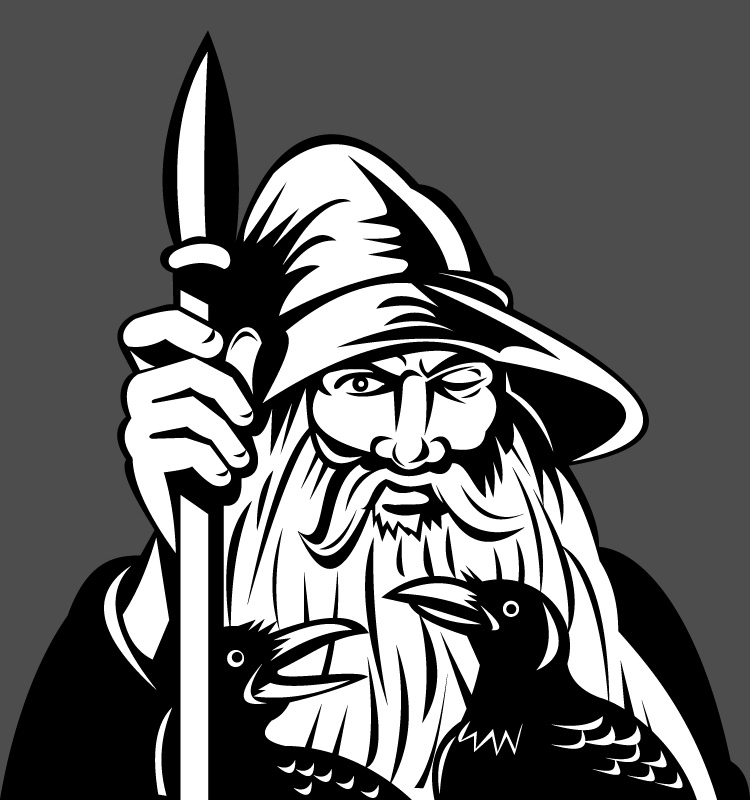
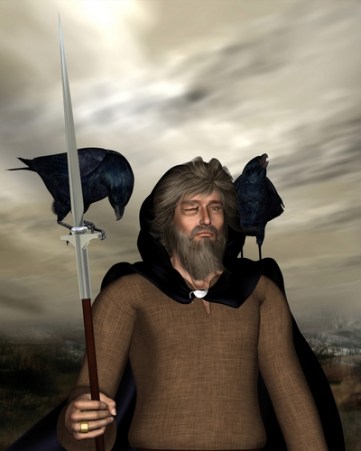
Odin, the All Father, with his two ravens, Hugin and Munin (Thought and Memory)

I realise that certain aspects of the Viking culture leave some people shouting utter condemnation – the blood sacrifices to the gods and the barbaric raids in particular. But what we have to bear in mind is that moral standards of the period were so vastly different to those of most modern-day cultures. Many such practices were based on the need for survival throughout the harsh winter months. Raids gained the Viking people silver, or goods to trade or sell in order to buy basic requirements of everyday life, including food. Today we may well see their actions as monstrous, but it’s simply how it was.

And let’s not forget, the Vikings were only one group of the many such raiders, including the Anglo-Saxons, who, by the time of the first Viking raids (as on the monastery at Lindisfarne) were well established Christians. I’m sure you could list a whole lot more.

One of my earliest encounters with Vikings was in the 1950’s film, aptly entitled, ‘The Vikings’. I’m sure even those amongst you who hadn’t even been born then, have heard of it. Well, in 1959, at the age of eleven, I loved it. I was on holiday with my family in the Isle of Man – and what wet and cheerless weather we had! So we had an afternoon at the cinema. Now, of course, the film is too dated and corny to interest real Viking fans, like me.shutterstock_123315433

*****

For The Love Of Writing…

shutterstock_124971299

I know I’m not telling anyone anything new when I say that the writing of any work of fiction, whether novel or short story, requires both knowledge and creativity, not to mention a lot of hard work.

In the words of American writer, Dennis R. Miller:

 “Writing a novel is like traveling the universe on foot.”

And from Samuel Johnson:

“What is written without effort is generally read without pleasure.”

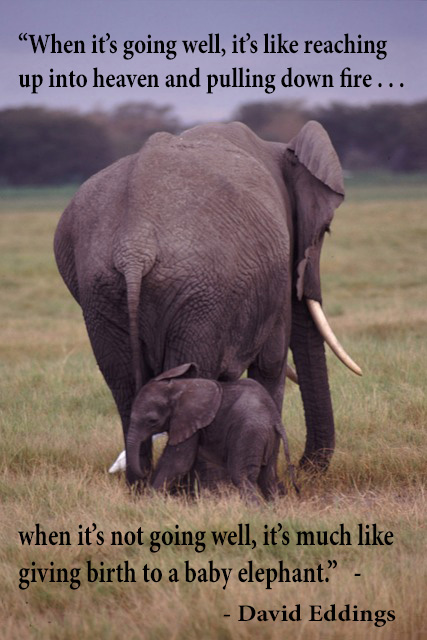
And this quote about writing from David Eddings, who, sadly, died in 2009, always makes me smile:

baby elephant quote

shutterstock_113166655

We all gain a considerable amount of knowledge during our journeys through life, but for writing about places, situations, characters and time periods beyond our own little boxes, there’s always the good old Internet! Failing that, there are scores of books for sale out there on every subject imaginable – many in cheap bookstores, charity shops, second hand bookstores or car boot or garage sales. And in my experience, most librarians are more than willing to point us in the right direction. In short, there’s really no excuse to shirk the research, whatever the genre being written.

shutterstock_162914093

But for some genres more than others – and I’m talking about fiction here, not non-fiction, for which research must be a mammoth task – thorough research is vital: historical fiction, naturally, being uppermost on my mind, with crime and law enforcement close on its heels (all that forensic stuff!). Anything involving medical issues is another one.

shutterstock_144745006

Creativity in novel writing is also vital. Without it, the story would be flat and lifeless and characters very dull. In the words of Jack Kerouac WD: 

“It ain’t whatcha write, it’s the way atcha write it.”

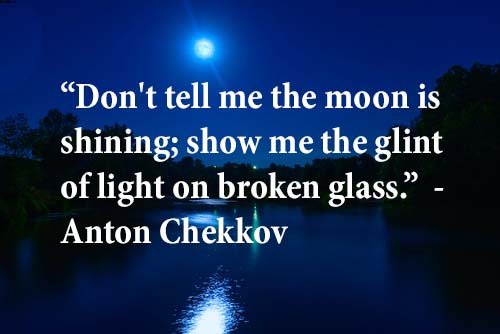
In other words, writing should appeal to the senses, and we should remember to ‘show, don’t tell’.

moon's light


I’ve included a short scene from my book, Shadow of the Raven, here. It comes fairly close to the beginning of the story, and is intended as an introduction to young Eadwulf’s father, King Beorhtwulf of Mercia, and his brother Burgred, Eadwulf’s uncle. Eadwulf is one of the book’s two protagonists – Alfred of Wessex being the other. As the harsh winter in the year 851 begins to melt into spring, the scene also serves to present the first hint that life in Mercia is about change.


With his huntsmen and attendant thegns, King Beorhtwulf rode back from the forest, his two great wolfhounds loping along beside him. It had been a good hunt, confirmed by the quarry slung over the backs of the pack horses. Cooks flapped in appreciation as the huge deer and smaller game were laid outside the wattle-walled building that served as kitchen and bakehouse.

Beorhtwulf surveyed the carcass of the felled deer, an old stag with massive, branching antlers. The slow old beast had made easy prey. ‘It hardly seems fair, does it brother?’

‘What doesn’t seem fair?’ Burgred squinted at Beorhtwulf as unaccustomed sunshine brightened the sky. The air had lost its penetrating bite and he fingered the brooch fastening his black cloak.

‘To end a long life like this…’ Beorhtwulf shrugged his broad shoulders, touching the toe of his boot to the lifeless form. ‘He looks a noble creature; probably sired many calves in his time. To end up spitted over our hearth seems to deprive him of all dignity in death.’

‘Your sentimentality is misguided brother. The beast would surely be gratified to know he afforded many people much pleasure and kept our bellies full. And he was old… would soon have fallen to the forest floor where his carcass would have slowly rotted away, or been eaten by woodland scavengers. Does that sound very dignified to you? Besides, what use would scavengers have for those antlers, when our craftsmen can turn them into such useful things? You know how Morwenna loves her antler combs and bits of jewellery. I’m partial to antler knife handles myself, and the men would be lost without their gaming dice.’

Beorhtwulf grinned at his younger brother, half a head shorter than himself, his red-brown hair less fiery than his own bright red. ‘Point taken, Burgred. The meat will be more useful to us than foxes and the like. Let’s hope today marks the onset of a warm spring,’ he murmured, a note of optimism in his voice. ‘Our people grow restless to sow the corn and move the stock out to pasture.’

But Beorhtwulf was a worried man. The onset of spring would bring a far greater threat to Mercia than the snows, and at tomorrow’s meeting of the Witan there were urgent matters to discuss. With a heavy sigh he whistled for his hounds and strode towards the reed-thatched hall to share the morning meal with his wife and son.

*****

shutterstock_212116630

‘I admire anybody who has the guts to write anything at all.’  (E. B. White)

Shadow of the Raven

1589389052

Sons of Kings: Book One

By the mid ninth century, Danish raids on Anglo-Saxon kingdoms have escalated. Several bands even dare to overwinter on the coastal islands, particularly those at the mouth of the Thames, where the kingdoms of Wessex and Mercia border each other. The kings of these lands must put past hostilities aside and take the first steps towards unity; steps they see as vital in the face of this newfound threat to their lands.

Alfred of Wessex and Eadwulf of Mercia are the sons of kings, whose futures have been determined since birth. But the turbulent events in their childhood years change the natural progression of things and shape the characters of the men they will become. Their roads to manhood follow vastly different routes, but both learn crucial lessons along the way: lessons that will serve them well in future years.

Discovering that the enemy is not always a stranger is a harsh lesson indeed; the realisation that a trusted kinsman can turn traitor is the harshest lesson of all.

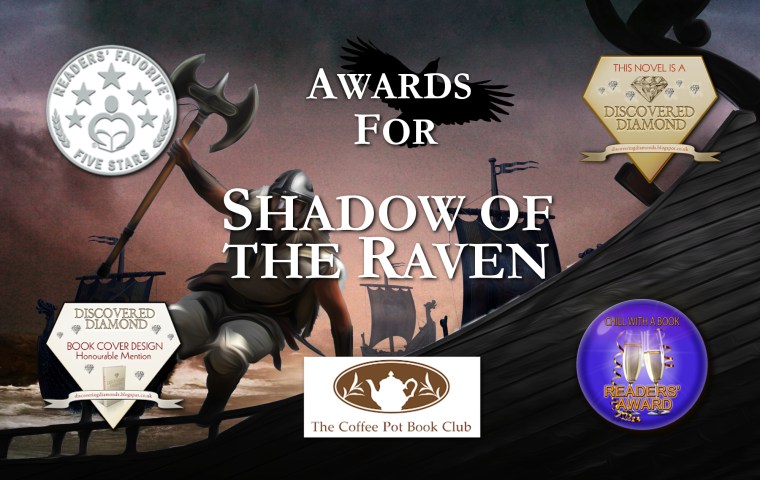
shadow awards

These are some of the five star reviews for Shadow of the Raven:

    • A fantastic, well written story – Tammy L. Nesheim: Amazon.com
    • truly a remarkable historical fiction… J.L. Hutchisson: Amazon.com
    • …a beautifully crafted and seamlessly linked tale… Tricia Preston: Amazon.co.uk
    • You know those authors that write in a way that the reader can basically smell the soil just from the description? Well, Thom nailed it: Emmeline  (The Book Herald) TOP 50 REVIEWER. Amazon.com

shadow advert forblog

BUY IT NOW ON

amazon-button-png-3