A Fairy Story

shutterstock_175488848

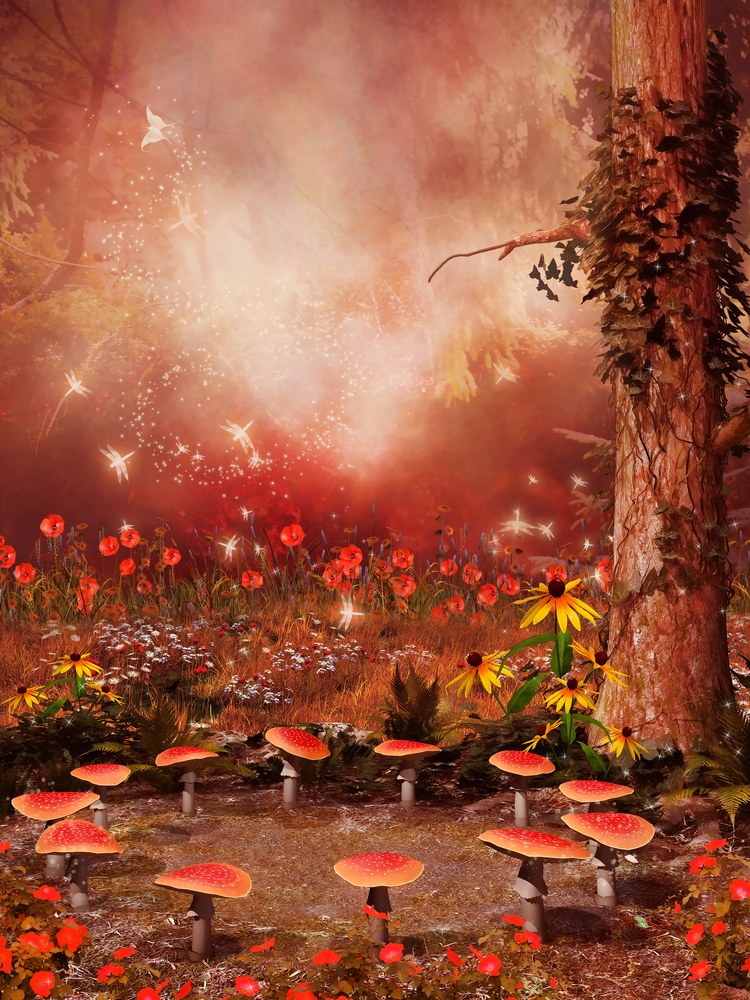
Fairy Ring

‘Where did these come from, Mam?’ Six-year-old Tommy squatted down, pointing at the cluster of little white-capped plants growing along the fence at the back of their garden.

Rose smiled at her son’s puzzled face. ‘They’re toadstools, Tommy, and we find them in lots of places – like fields and woods, and even on people’s lawns.’ She gazed over the fence into the dense forest beyond, wondering yet again whether moving to the Highlands of Scotland had been such a good idea. Tommy already missed his friends in Edinburgh. But her husband’s job in the Forestry Commission had given them no choice.

‘I bet there are plenty of toadstools in there,’ Rose continued, hoisting the child up so he could see over the fence. ‘Lots of fairies and elves, too.’

‘Do fairies like toadstools?’

They love them,’ Rose said, lowering him to the ground. ‘Sometimes they dance amongst them and make them into circles called fairy rings. Doesn’t that sound fun?’

Tommy shrugged. ‘I’ve never seen a fairy ring, so I don’t know.’

‘Well, fairy rings are magical places for the little folk, but if humans step inside them, they could become trapped by fairy magic, and might never get out again.’

‘That’s silly, Mam. Fairies only help people.’

‘And how do you know that?’

‘Because the fairy who visits me when I’m in bed says she’ll take me to a magic place to find new friends, if I want. She knew I was sad about leaving my old ones in Edinburgh without me even telling her!’

Rose stared at her precious son. ‘Tommy, this fairy … what does she look like?’

‘Her name’s Elvira, and I’ve seen her this many times.’ Tommy held out his small hand, fingers splayed. ‘And she looks like you, Mam, except she’s tiny and has wings. They’re really cool!’

Rose’s stomach lurched. That her twin should wheedle her way into Tommy’s affections just to get to her was unbelievable. ‘Tommy, promise me that if Elvira asks you to go with her, you won’t go.’

‘But I’ve promised I’d go tonight… Just for a bit.’

Rose’s mind whirled. ‘Did Elvira say where this magical place was?’

‘I don’t think it’s far because she said we’d be back very soon.’

‘Well, that’s alright, then,’ Rose assured him, her mind working fast.

‘Thanks, Mam!’ Tommy yelled. ‘I can’t wait for tonight.’

*

The grandfather clock in the hall struck midnight, its chimes rousing Tommy from his sleep. Elvira hovered before him in a halo of fairy light.

‘Ready for an adventure?’ she asked. ‘The fairy folk are gathering.’

Tommy nodded, his excitement mounting.

‘Then close your eyes and don’t open them again until I say so.’

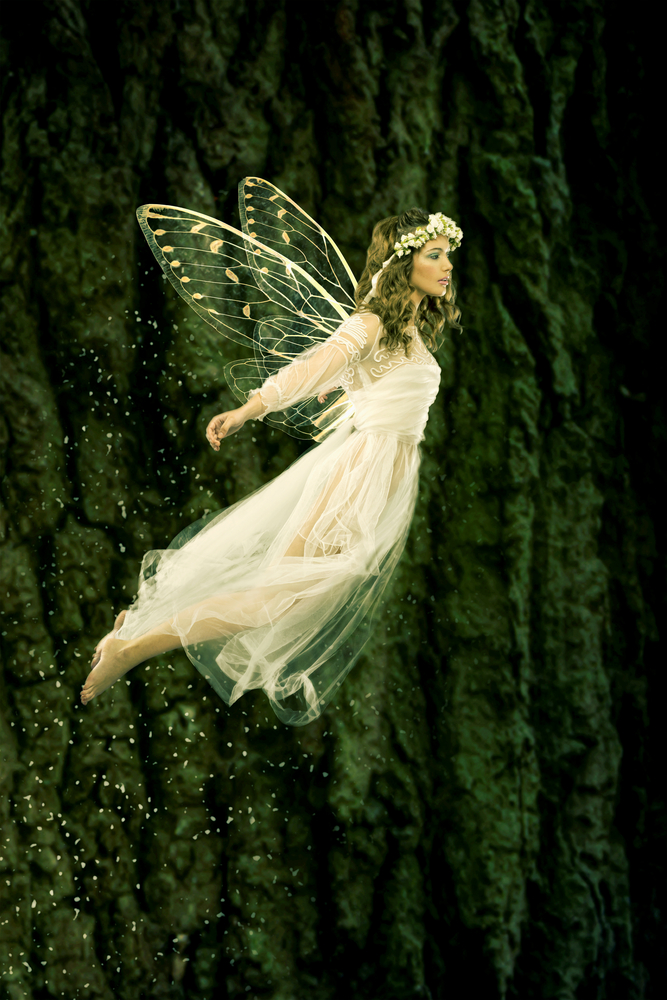
Watching from atop the wardrobe, Rose was on their trail as soon as Elvira waved her wand. Within moments they’d reached a glade in the forest where the fairies were gathering, all dancing around a fairy ring. Perched on a leafy branch, she watched as Tommy joined in. He looked so happy when Elvira led him into the ring and danced with him awhile. But then she darted out, leaving him alone and confused. He tried to follow, but the ring confined him as effectively as prison bars.

Looking pleased with herself, Elvira joined her companions.

Rose fumed, knowing that confrontation was now inevitable. But first, Tommy must be freed. Unseen by the frolicking fairies, she flew into the ring from the opposite side to where they were gathered around Elvira.

‘Why’ve you locked me in here?’ Tommy wailed, mistaking his mother for her twin. ‘I don’t like being on my own.’

No time for explanations, Rose waved her wand and within moments, Tommy was sleeping soundly in his bed.

Rose descended into the middle of the gathering and the crowds shrank back. It was some moments before Elvira realised that silence had fallen. She turned, her expression one of guilt-laden surprise at what she saw. In a panic, she glanced at the fairy ring.

‘Tommy’s in his bed, where he’s supposed to be, Elvira. How you thought you could get away with this is beyond me. And I know what it’s all about – so don’t bother to explain. Mother’s expecting me tomorrow. I contacted her earlier and explained my position.’

Fury blackened Elvira’s face and she shot a bolt of magic at her twin. Rose reeled from the blast, but recovered quickly to return a blast of her own.

As the elder of the twins, Rose was the more powerful: Elvira’s magic could never compete. ‘For your information, Elvira, I don’t want the throne.’ The onlookers gasped. No princess had ever refused the fairy throne. ‘I’ll tell Queen Isadora that myself, tomorrow. You see, sister, my new family is here. If I returned to the Fairy Kingdom without them, I would slowly die. You are very capable of becoming the next queen, Elvira. Our people love you very much…

‘Besides,’ she whispered, ‘when I wave my wand, no one here will remember tonight’s events. They’ll continue to dance around the ring, just as they’ve always done.’

Elvira nodded and smiled sincerely. ‘Thank you, Rose. It seems I acted hastily. I had assumed that after ignoring us for years, you’d just fly back in and claim the throne. I’ve worked hard for our kingdom, and know I can rule wisely as queen.’

‘Then let’s dance to that,’ Rose said, holding out her hands. ‘I haven’t danced round a fairy ring in a long time.’

Rose flew back home, content that all would be well. Assuming her human form, she checked Tommy before climbing into her own bed. Robert was still in a trance-like sleep and she clicked her fingers to break the spell. In a couple of hours, Rob would awaken normally. And tomorrow, they would continue to come to terms with their new home in the Scottish Highlands … after she’d made her case to her illustrious mother.
shutterstock_208463902

***

Unfortunately, I haven’t had time to write a flash fiction for FFfAW this week, so I’m posting this story instead – which is from my book A Dash of Flash. At 988 words, it’s much longer that the usual 175 word maximum for the challenge, but still within the limit for flash fiction (i.e. 1000 words). I enjoyed writing it, too, because I love fairy stories.

 ***
Conflicting Interests – FFfAW

Flash Fiction for Aspiring Writer is a writing challenge hosted by Priceless Joy. It involves writing a piece of fiction from a given photo prompt in 100-150 words, give or  take 25. If you’d like to join in with the challenge, follow the above link to see what to do. The challenge runs from Tuesday – Tuesday every week.

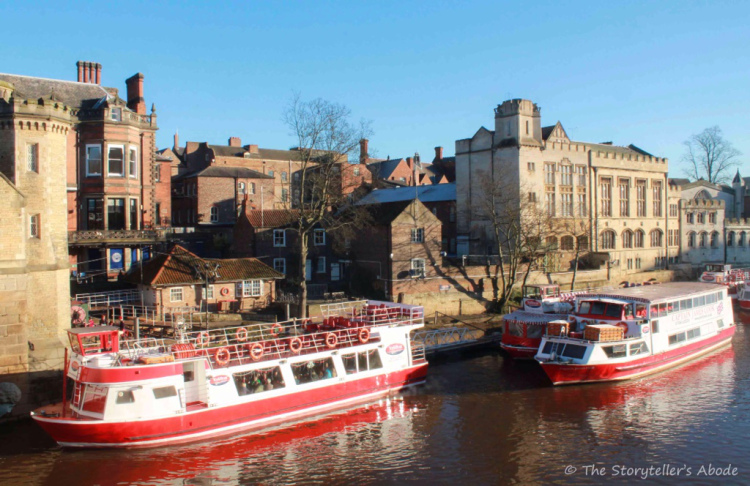
Here’s this week’s prompt, kindly provided by Louise at The Storyteller’s Abode.

photo-20170109154625698

And this is my story . . .

Conflicting Interests

‘I’ll go ahead of you,’ Alf insisted as they waited to board the pleasure-cruiser, ‘so I can help you across the gangplank. Don’t want you overboard, especially in December.’

Edna scowled and stepped in front of him as the queue moved aboard. ‘I might be getting on, but I’m not incapable,’ she retorted, eyeing the roped-off steps to the open-air upper deck. ‘I wanted to sit up there … better views.’

‘Too cold,’ Alf replied, pushing her inside towards two vacant seats. ‘Get in first, next to the window, Edna. Views’ll be good and we’ll be nice and warm – not like them idiots Christmas shopping out in the city.’

‘Which is where I’d be if you hadn’t booked this cruise!’

Edna grumbled on until they disembarked, when her face lit up. ‘Now let’s get to the more enjoyable job of shopping.’

Alf sighed. Edna had made it impossible for him to see the sights, and now he’d be dragged round the crowded shops, loaded up with bulging bags…

His grumbling continued until they got home.

Word Count: 175

*

If you’d like to read other stories, or add a story yourself, click the little blue frog.

wpimg

Here We Come A-Wassailing

Twelfth Night in a Devonshire orchard, (UK) circa 1863. Making noises near to the trees was common during wassailing. Farmers would bang on drums, trays and pots or fire off their guns in order to scare off evil spirits. Author unknown. Public Domain
Twelfth Night in a Devonshire orchard (UK) circa 1863. Making noises near to the trees was common during wassailing. Farmers would bang on drums, trays and pots or fire off their guns in order to scare off evil spirits. Author unknown. Public Domain

Here we are again on Twelfth Night, with no excuse whatsoever for continuing Christmas festivities after today. Very soon we’ll be seeing Easter Eggs in the shops! Oh my . . . Anyway, I decided to reblog this post from last year because I just love the version of the song, ‘Here We Come A Wassailing’ by Celtic Woman and David Archuleta and today is a good day for me to annoy everyone in our house by repeatedly singing it. I also love the whole idea of the Green Man, and have been intending to write a post about him since last January – which I’ll get round to, eventually. So, without another word about that, here’s the Wassailing post . . .

milliethom's avatarMillie Thom

Prelude to a Wassail. Broadmarsh Morris Men perform outside tha White Horse before heading for the orchard. Author: Glyn Baker. geog.org.uk. Creative Commons Prelude to a Wassail. Broadmarsh Morris Men perform outside the White Horse before heading for the orchard. Author: Glyn Baker. geog.org.uk. Creative Commons

Tomorrow is Twelfth Night, January 6th, the date traditionally accepted as the end of the Christmas period. It’s the day our Christmas trees and other decorations come down, to be stored away for another year. Nowadays, with many people returning to work straight after New Year’s Day – if not before – many households pack away all traces of Christmas festivities much earler.

In England, January 6th is also often remembered as the day for ‘wassailing’ – which is what this post is about. I’m posting it the day before so you can all get ready the following items for your own wassailing ritual: a nice big, stout stick; a mug of wassail (generally mulled cider, nowadays); a bucket ot the same wassail, with a good…

View original post 1,498 more words

Ring in the New Year!

celebrate-1786189_1280

Nowadays most new year celebrations around the world begin on December 31st, New Year’s Eve, and continue into the early hours of  January 1st, New Year’s Day. But this hasn’t always been the observed date.

The earliest New Year celebrations are believed to have been in Babylon (Mesopotamia) about 2000 BC. They took place in late March, at the time of the first new moon following the spring equinox. The festival was called Akitu, the name being derived from the Sumerian word for barley, which was harvested in the spring. Other ancient cultures celebrated the new year during different seasons: for the Egyptians, Phoenicians and Persians the new year began with the autumn equinox, and for the Greeks it was the winter equinox.

For the early Romans, the new year began on March 1st. At that time, the Roman calendar was only ten months, as created by Romulus,the legendary first king of Rome around 700 BC. January and February were added by the second Roman king, Numa Pomplius who reigned from 715 to 673 BC. The first time the new year was celebrated on January 1st in Rome was in 153 BC. It was moved to January as this was the time when two newly elected consuls began their one-year terms of office. But some people continued the tradition of starting the new year on March 1 – until Julius Caesar changed things by introducing the Julian calendar, which decreed that January 1st became the only observed date.

In medieval Europe the celebrations accompanying the new year were considered pagan and unchristian, and in 567 January 1st was abolished as the beginning of the new year. Throughout this period it was celebrated at various dates, including December 25 (the birth of Christ) March 1, March 25th  (the Feast of the Annunciation) and Easter. This situation lasted until 1582, when the Gregorian calendar was introduced (named after Pope Gregory X111). It was adopted by most Catholic countries almost immediately, but only gradually by Protestant ones. Britain did not adopt it until 1752 and until then, the British Empire, and the American colonies, continued to celebrate the new year in March.

Today, much of the world celebrates New Year on January 1, but there are several cultures that celebrate it on different dates. The Chinese New Year, also known as the Spring Festival, starts on the 23rd day of the 12th lunar month of the Chinese calendar. It lasts for 23 days and ends on the 15th day of the first lunar month in the following year’s calendar.

chinese-895187_1280

The Jewish New Year, Rosh Hashanah, is celebrated in September, and Diwali, India’s new year is in October. In Japan, the New Year holiday is one of the most important of the year. It is called Oshogatsu (New Years Days) as it is celebrated for three days, from January 1st-3rd. Sending cards to each other is an important aspect of the holiday. The Japanese Post Office holds all the cards back until January 1st when they are delivered, all over Japan!

There are many New Year traditions in different countries around the world and it would be impossible to mention them all, but here are just a few. Eating certain foods features in many traditions:

In Spain, a dozen grapes are eaten, one for every stroke of midnight, symbolising people’s hopes for the twelve months ahead. In other parts of the world, legumes are eaten as they are thought to resemble coins which suggest future financial success. In Italy, lentils are favoured and in the southern United States it’s black-eyed peas.

In Cuba, Austria, Hungary and Portugal, pork features on New Year’s Eve menus because pigs represent progress and prosperity, while in the Netherlands, Greece and Mexico, ring-shaped cakes and pastries are a sign that the year has come full circle. And lastly . . . in Norway and Sweden, rice pudding is served with an almond hidden in it. The person who finds it can look forward to twelve months of good fortune.

Other New Year traditions have nothing to do with food:

A Mexican tradition involves the colour of underwear a person chooses. Those who want to find love wear red, while those who seek wealth and luck wear yellow. In Ecuador they set fire to scarecrows filled with paper at midnight on New Year’s Eve to banish anything bad that happened in the past.

In the USA, the evening is celebrated with both formal parties and family activities and a variety of public events. One of the best known celebrations is held in Times Square in New York and is known as the ‘ball drop’. This involves a huge 12-foot/3.7m ball made of Waterford crystal and weighting 11,875-pound/5,386 kg, being lowered from the roof of Number One Times Square down a 77-foot-high flagpole*. The ball reaches the roof, 60 seconds later and signals the start of the new year.

*I came across three different heights for this. Two different Wikipedia sites gave 70 and 141 foot, respectively, and another site gave 77 foot. I went with the middle one.

new_year_ball_drop_event_for_2012_at_times_square
New York Ball Drop Event for 2012 at Times Square. Author: Replytojain. Creative Commons
times_square_ball_roof_2011
Ball Drop in Times Square, view from the Rockefeller Center, taken in August, 2011. Author: Erik Drost. Creative Commons

In Britain, it is traditional to stay up all night and welcome the new year in. It is often celebrated with parties and family get-togethers, toasts of champagne, singing and dancing and fireworks. As the clock in London known as Big Ben, strikes midnight, people all over the UK cross their arms across their chests, link hands and sing Auld Lang Syne to remind them of old and new friends. Many English homes also continue a custom similar to the first-footing described below as part of the Scottish Hogmanay celebrations. On the stroke of midnight, people open the back door to let the old year out and ask the first dark-haired man to be seen to come through the front door carrying salt, coal and bread. This means that the following year everyone in the house will have enough to eat (bread), enough money (salt) and be warm enough (coal). When I was a child, it was always my dark-headed dad who was booted out with his lump of coal, salt and bread a little before midnight. He generally came back in at midnight, when everyone linked up to sing Auld Lang Syne and wish each other a Happy New Year.  shutterstock_91873745

In Scotland, the New Year celebrations are called Hogmanay. Festivities involve drinking and revelry in traditional Scottish style which lasts for a day or two into the new year. One of the traditions is first-footing, whereby neighbours pay visits to each other at midnight imparting good wishes for the coming year. Traditionally, first foots brought along a gift of coal for the fire, or shortbread. (Some sites also include whisky and a black bun – a rich, dark fruitcake, encased in pastry). It is considered especially lucky if the first person to enter the house after the new year is rung in is a tall, dark, and handsome man.

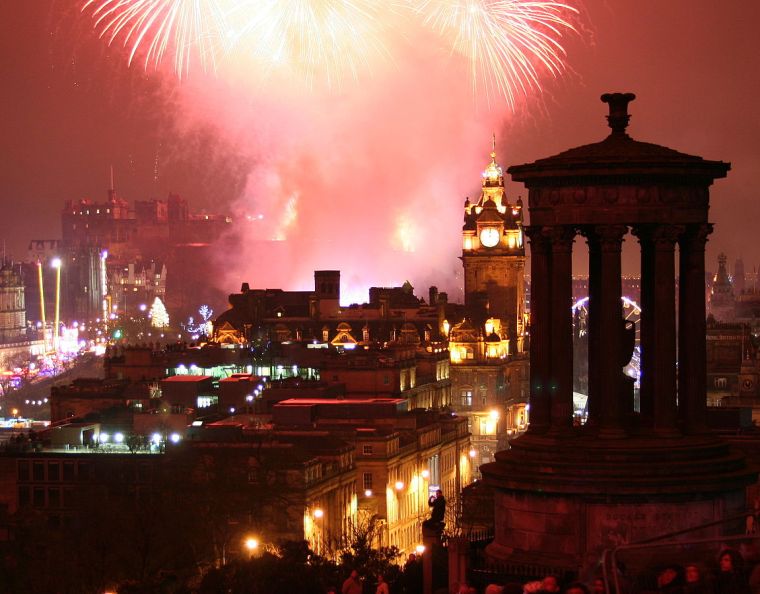
The Edinburgh Hogmanay celebration is the largest in the country and one of the most famous New Year celebrations in the world. It is focused on a major street party along Princes Street. The cannon is fired at Edinburgh Castle on the stroke of midnight, followed by a large fireworks display.

edinburghnye
Hogmanay fireworks in Edinburgh on New Year’s Eve, 1 January 2009. Author: Robbie Shade. Creative Commons

Scotland is also the birthplace of the well-known and well-loved New Year song, Auld Lang Syne. On New Year’s Eve we all gather together to sing the song that has become a part of the night’s festivities in many countries, despite most of us not knowing the words, let alone the meaning of them! So what is Auld Lang Syne all about . . .?

The Scottish poet, Robert Burns, was the first person to write down the lyrics of the poem in 1788, although a version had existed for almost 80 years before that time. Some of the lyrics were ‘collected’rather than composed by Burns. The ballad Old Long Syne, printed in 1711 by James Watson, shows many similarities and is most probably derived from the same old song. Burns is said to have sent a letter to the Scots Musical Museum with a note saying: The following song, an old song, of the olden times, and which has never been in print, nor even in manuscript until I took it down from an old man. 

The melody we know today did not appear until after Burns’ death and singing the song on Hogmanay soon became a tradition across Scotland. It rapidly spread to the rest of Britain, as well as the US and Canada.

As for the meaning of Auld Lang Syne, there are too many verses for me to add a translation of the whole song here, but the actual words, Auld Lang Syne, mean old long since – or times gone by in the old Scottish dialectThe song focuses on old friends and whether times past will be forgotten. It asks that we remember people of the past with fondness.

Here’s a translation of the first verse and chorus:

The Song

Verse One:
Should old acquaintances be forgot
And never brought to mind?
Should old acquaintance be forgot
And auld lang syne?

Chorus:
For auld lang syne, my dear
For auld lang syne
We’ll tak a cup o’ kindness yet,
For auld lang syne.

The Translation:

Verse One:
Should old acquaintance be forgotten
And never remembered?
Should old acquaintance be forgotten
For times gone by?

Chorus:
For times gone by, my dear,
For times gone by
We will take a cup of kindness yet
For times gone by.

To finish, here’s a version of Auld Lang Syne I found on YouTube. I love this version by the Scottish singer, Dougie MacLean. It was uploaded by saminnyc. I really wanted a version with bagpipes, but most versions with bagpipes did not have vocals. So I decided on this one. The Scottish voice more than makes up for the bagpipes:

All that remains for me to do now is to wish every one of you out there a wonderful and Happy New Year!

new-year-card-1915087_1280

References:
1. From History Vault: http://www.history.com/topics/holidays/new-years
2. From Info please: http://www.infoplease.com/spot/newyearhistory.html
3. From Protect Britain: http://projectbritain.com/year/newyearseve.html
4. Various Wikipedia sites for info. and some of the images used in the post (others from Shutterstock or Pixabay).

O Holy Night

carol-singersI’d intended to include this section in my post about the history of Christmas carols yesterday, but decided against it when I realised I had more to write about than was wise for a single post. In addition, the focus on this carol is very appropriate for today, considering what day it is! Of course, carols like Silent Night and Hark the Herald Angels Sing, While Shepherd’s Watch and several others would also fit the bill, but O Holy Night was on my mind.

So here we are again, enjoying another Christmas Eve. Children everywhere will be getting very excited. What the heck …. I’m excited, and I want to wish everyone in Blogland a really wonderful Christmas.

santa-claus-1919444_1280

Now for the serious stuff . . .

I was reading one of Natalie Scarberry’s posts a few days ago on her blog Sacred Touches and on it she’d put a video of my favourite Christmas carol, O Holy Night. I’d never heard it sung by male voices before (oh, my sheltered existence! 🙂 ) but I was pleasantly surprised. The finale is excellent.

O Holy Night has been my favourite carol since I was thirteen or so and a member of our school choir. Every Christmas we had a Carol Service in the church for school and families to attend. One year the choir sang O Holy Night, and the lead singer was a sixteen year old girl (who looked positively ‘grown up’ to me at the time). Her name was Gwyneth and she was Welsh – and she had an incredible voice. She hit the high notes perfectly, the sound resonating around the church. I tried to copy her for years!

I’ve found several versions of this carol on YouTube. Some are sung by traditional boys’ choirs, others by a variety of groups and trios. I liked several of them, but have decided to put two quite different versions here now.

The first video features the carol sung in the traditional way, the way we were taught to sing it (well, minus the soprano voice once Gwyneth had left school). The second one – the one I found on Natalie’s post – is a modern arrangement and really needs listening to all the way through to hear the finale.

So here’s the first version by Affiniti Music. It’s a wonderful combination of an amazing soprano voice, enchanting harp and beautiful violin, resulting in a very lovely Celtic sound – plus background orchestra and a great smile-jerking choir of cheeky-looking little boys.

Lastly, here’s the version I’d decided I wouldn’t like … until I heard it. It’s not the traditional sound and, being the old-fashioned type, I’d decided I wouldn’t like it even before I played it. . . But I was wrong. It’s very modern-sounding, and a lot different to the traditional versions I know, but the force of the male voices impressed me. The American accents add to the different feel to British ears, of course. It’s by Home Free.

See what you think . . .

The words of O Holy Night were written in 1847 by Placide Cappeau de Roquemaure* a wine seller and poet. He was asked by the parish priest to write a poem for Christmas, and he obliged by writing the beautiful words of a poem entitled Minuit, chrétiens (Midnight, Christians). Realising it should have music to accompany the words, Cappeau approached his friend, Adolphe Charles Adams, who agreed and duly composed the music. I’d say they made a great team.

*Roqumaure is a small town in southern France.

Now it really is time for me to wish everyone a very Happy Christmas, Happy Jul/Yule, Happy Midwinter/Midsummer – or whatever festival your own culture or religion follows at this time of year.

christmas-1917905_1920

A Chirp about Carol Singing

christmas-carols-37539_1280

The word ‘Carol’ means a dance or song of praise and joy, originally written to be sung on various occasions throughout the year. Christmas carols are songs or hymns with lyrics specifically on the theme of  Christmas, and have been sung over the Christmas period for hundreds of years.

Singing and dancing at celebrations long predates Christianity. Over three thousand years ago (perhaps as far back as five) people would have danced and sung joyful songs as part of festive worship at stone circle like Stonehenge.

Early Christians adopted the pagan celebrations of the Winter Solstice for Christmas, giving people Christian songs to sing. The first known Christmas hymns were in Latin and date from 4th century Rome. Another famous hymn was written in 760 by Comas of Jerusalem for the Greek Orthodox Church, and it was soon after this that composers across Europe started writing Christmas carols, too. Unfortunately, they were still written in Latin and were not very popular as most people couldn’t understand the language. By the 13th century, few people were still interested in celebrating Christmas.

But things were already afoot to change that . . .

In 13th century France, Germany and Italy, a tradition of Christmas carols in regional languages became popular, under the influence of St Francis of Assisi who made the birth of Christ into a live theatrical event. The first carols in English appeared in 1426 in a work of twenty-five Caroles of Cristemas by Shropshire chaplain, John Awdlay. These were possibly sung by groups of wassailers or minstrels as they went from door to door.

Many popular carols of today originate from a collection first published in 1582, again in Latin. Amongst them are Christ was born on Christmas Day and O come all ye Faithful, the latter appearing in its present form in the mid-18th century (though the words possibly originated in the 13th).

During the strict Puritanical rule of Cromwell in 1647, Christmas celebrations became almost non-existent, those who still continued to enjoy them doing so in secret and risking severe punishment if they were caught. Puritans not only disapproved of general merriment, they did not believe in religious songs. Their strict ban on such things not only affected Christmas in England, but in some other English-speaking areas too (as in the Massachusetts Bay Colony).

puritanchristmasban
Public notice from 1656 in Boston regarding the celebrations of Christmas. Public Domain.

It was two hundred years before Christmas recovered from this setback. In 1822, the English MP and amateur historian, David Gilbert, published a collection of old carols. Eleven years later, William Sandys published a volume of tunes still sung today, including The First Nowel (the Angel Did say), and Hark the Herald Angels Sing.

One interesting carol originally from the 17th century but later republished in 1833 by William Sandys, is I Saw Three Ships (come sailing in.)

I like the catchy tune of this carol although the lyrics are open to interpretation. In the carol the ships are sailing into Bethlehem – which is highly improbable as the nearest water (the Dead Sea) is 20 miles/32 km away. One interpretation is that the three ships refer to the ships that carried the relics of the three kings to the cathedral in Cologne in the 12th century. Another suggestion is that the ships are actually the camels used by the Magi, as camels are frequently referred to as ‘ships of the desert’. Other interpretations exist, too.

I like a few versions of this carol but I picked this one because I love the Celtic music and of course, the lovely voice of Orla Fallon (of Celtic Woman). It was uploaded to YouTube by iscrazy4horses:

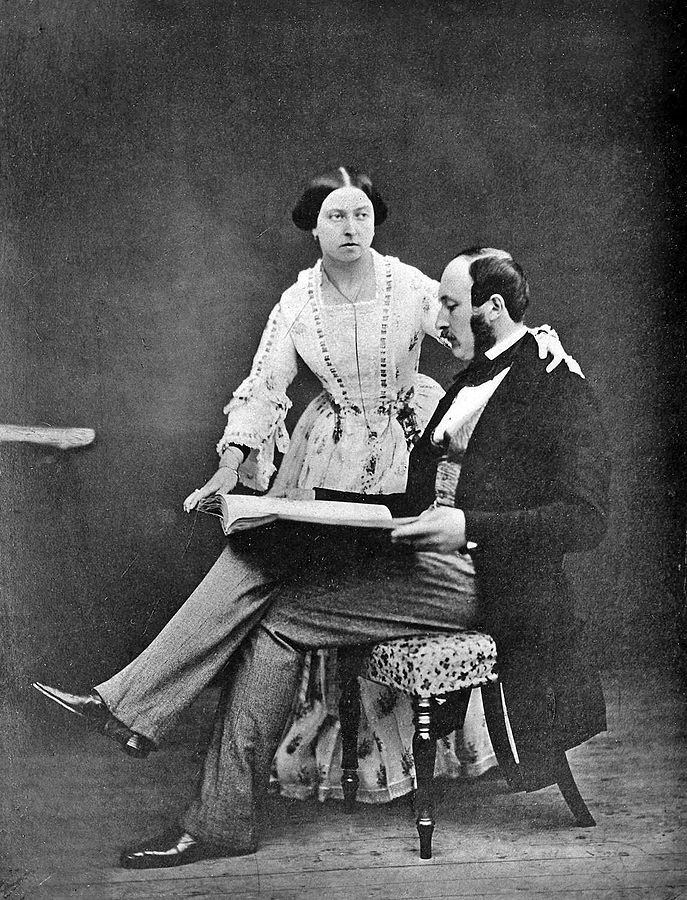
In the 1840s, Christmas in England began to take on a completely new feel. This was due, firstly, to the intervention of Queen Victoria and her new German husband, Prince Albert.

queen_victoria_and_prince_albert_1854
Queen Victoria and Prince Albert, 1854. Photographer Roger Fenta. royalcollection.org.uk  Public Domain

Not only were traditions from the continent adopted, new music books were published to widen the appeal of carols. These carols included Hark! The Herald Angels Sing, God Rest Ye Merry Gentlemen, The First Noel, Good King Wenceslas and It Came Upon a Midnight Clear (the latter a New England carol).

Here’s a fun version of Good King Wenceslas sung by Irish Rovers. It was uploaded to YouTube by BrothersCharles.

This is what the story of King Wenceslas is actually about for anyone who doesn’t know. I’ve quoted it directly from Wikipedia:

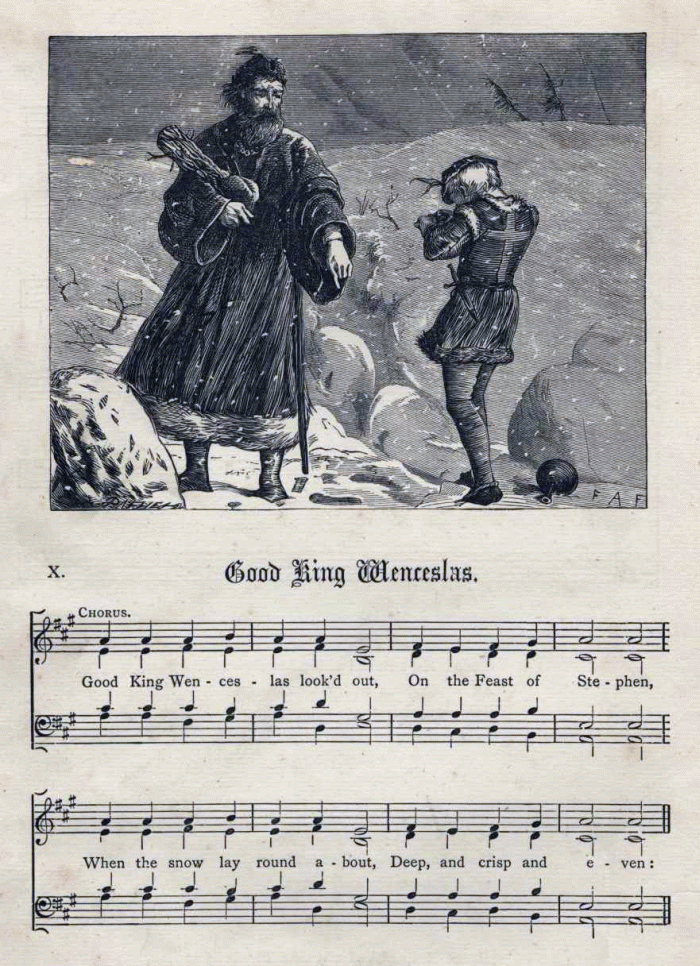
Good King Wenceslas  is a popular Christmas carol that tells a story of a Bohemian  king going on a journey and braving harsh winter weather to give alms to a poor peasant on the Feast of Stephen (December 26, the day after Christmas). During the journey, his page is about to give up the struggle against the cold weather, but is enabled to continue by following the king’s footprints, step for step, through the deep snow. The legend is based on the life of the historical Saint Wenceslaus 1, Duke of Bohemia…

good_king_wenceslas_10a
Good King Wenceslas from a 1879 book by Henry Ramsden Bramley. From an engraving by the Brothers Grimm. Public Domain.  

The second reason for the increased enthusiasm for Christmas in the 1840s  was because these new changes were taken on board by a young writer called Charles Dickens.

francis_alexander_-_charles_dickens_1842
Charles Dickens in 1842, the year before the publication of A Christmas Carol. Author: Francis Alexander. Public Domain

In 1843 he published A Christmas Carol.

800px-charles_dickens-a_christmas_carol-cloth-first_edition_1843
Charles Dickens: A Christmas Carol. Date 1843/2008. Photographer: Heritage Auctions Inc, Dallas, Texas. Public Domain

In the book, readers ‘see’ the reality of grim Christmases of the past compared to the festive, music-filled Christmases that had now become the norm.

Meanwhile . . . in Austria in 1818, the beautiful carol, Silent Night (Stille Nacht), was composed by Franz Xaver Gruber to lyrics by Joseph Mohr.

The English translation of Silent Night was published in 1859 by episcopal priest John Freeman Young (then serving at Trinity Church in New York). It has become the favourite carol of many people.

Christmases of the 20th and 21st centuries have continued to extend the Victorian Christmas as a festive, secular celebration, obsessed with tradition. The singing of carols was popularised still further in 1961 when the Oxford University Press published one of the most popular carol books in the English-speaking world: Carols for Choirs.

Many more Christmas songs have become popular over the last century, most of them secular ones. One of the most well-known and well-loved songs is probably White Christmas, described by Wikipedia as ‘a 1942 Irving Berlin song reminiscing about an old-fashioned Christmas setting’.

Christmas songs have become ‘big business’ nowadays and competition for top places in the charts is the norm. This video is of the song that topped the UK charts at Christmas for many years. It’s Slade’s Merry Christmas Everybody, uploaded by Andrew MacLachlan. Not exactly a Christmas Carol . . .

We’ve come a long way from the austere, Latin hymns of early Christian times. Yet traditional carols from over the past few hundred years can still be heard over the holiday period around stores and markets in towns, and in restaurant and café – and we all love to sing along (well, most of us do!). Many carols have been given an upbeat arrangement, which – like everything in life – some people like and others don’t. We rarely see carol singers at the door nowadays (another thing people either loved or hated) but Carol Services in churches still take place, despite poor attendance at some.

All in all, to me, Christmas just wouldn’t be the same without these wonderful old carols.

*****

References:
1. http://www.whychristmas.com/customs/carols_history.shtml
2. http://www.bbc.co.uk/victorianchristmas/history.shtml
3. http://musiced.about.com/od/christmasnewyeararticles/a/carols.htm
4. The Long, Strange History of Christmas Carols:       http://www.slate.com/articles/arts/assessment/2011/11/the_long_strange_history_of_christmas_carols.html
5. Various Wikipedia sites on individual carols and people mentioned in the post.

*****

WInter Solstice Celebrations Through Time

shutterstock_437222308

Last year on this very date, I wrote a post about the winter/hibernal solstice and how people have celebrated it through the ages. As the basics of that haven’t changed I’ve decided to reblog the post for anyone interested to glance at.

The solstice happens at the same moment for everyone worldwide. It occurs when the sun reaches its most southerly point (23.5 degrees: over the Tropic of Capricorn). Naturally this makes climatic conditions in the Northern and Southern Hemispheres very different at that time and the celebrations vary accordingly.

This year, 2017, the winter solstice occurs on Wednesday, December 21 at 10.44 GMT. (As I write this, the time here in the UK is exactly that!) This means that at ancient sites like Stonehenge, as well as many other venues worldwide, people will be gathering on Wednesday evening/night to wait for the sunrise the following morning. Having visited Stonehenge for the first time in early May, and written a post about the site, I can understand the enormity of its appeal as a venue for both the winter and summer solstices. It’s simply mystical and awe-inspiring.

I won’t say anything else or I’ll be duplicating what’s in the post. So here it is…

milliethom's avatarMillie Thom

Winter solstice in the Northern Hemisphere over Asia

The word solstice comes from the Latin word, solstitium, which means ‘Sun standing still’. The December solstice is the day on which the Sun is at its most southerly point, directly overhead at the Tropic of Capricorn, before it reverses its direction and gradually starts to move north again.  The image above shows the winter solstice in the Northen Hemisphere over Asia.  (Author: Jecowa at English Wikipedia. Creative Commons).

To people in the Northern Hemisphere the winter solstice means the longest night, with the latest dawn and shortest day of the year, with the sun at its lowest point in the sky. The day after the winter solstice marks the beginning of lengthening days, as we head towards the summer solstice on June 21st 2016.

For those in the Southern Hemisphere the opposite is true: people will experience the shortest night and the earliest dawn, with the longest…

View original post 924 more words

A Fairytale Christmas at Doddington Hall

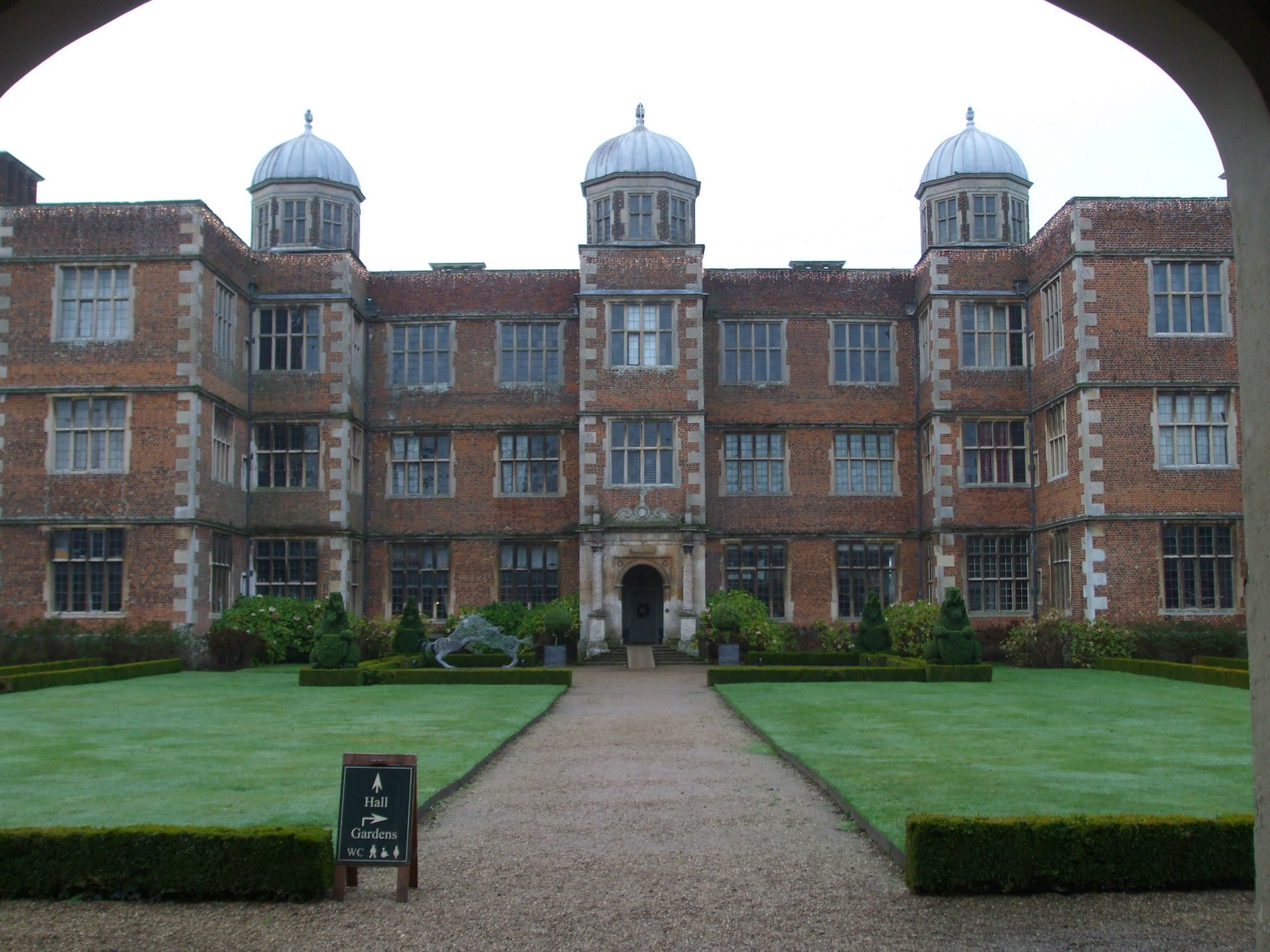
doddington-hall-from-the-gatehouse

Doddington Hall is a family home located in the village of Doddington about five miles from the city of Lincoln, UK. It was built in the 16th century and is similar in design to other Elizabethan halls built at that time. I don’t intend to write about the history of the Hall at this stage, but here are a few more photos of the East Front as we approached after getting our tickets at the Gate House. The unicorn sculptures and topiaries are significant in that the unicorn is the family crest.

The Hall has a large estate on which Christmas trees are grown and a careful programme of replanting is carried out. We’ve bought our Christmas trees here for some years now but this is only the second time we’ve actually been inside the Hall itself – and I’m really glad we did.

Between November 29 and December 23 this year, Doddington Hall is open to the public at weekends (10-4 pm) and on Wednesadays ( 3-7 pm). It has been beautifully and imaginatively decorated to present a Fairytale Christmas, many of the main rooms having specific themes with scenes and characters from well-loved fairy stories. The team responsible for creating the wonderful displays include Claire Birch – who runs the estate with her husband James – several members of staff, florist Rachel Petheran, the resident cutting gardener, and lighting and production designer Howell Thomas with students from Lincoln College.

On entering through the East Front doorway we found ourselves in the Great Hall. This room’s long dining table is decorated and set for a festive meal for some interesting people or possibly elves/gnomes/dwarfs.

From the Great Hall we headed across to the Brown Parlour, decorated  as The Sweet World of Hansel and Gretel. One of the central items on display is a gingerbread cottage, and there are candy sticks and other ‘sweet’ items hanging from the ceiling and in jars and containers around the room. This room also had a Christmas tree and a nice old rocking horse.

On leaving the Brown Room we entered the hallway in order to head up to the first floor. The elegant staircase has not escaped themed decoration, either. A beautifully made green beanstalk (as in the tale of Jack and the Beanstalk) follows the stairs right up to the top/second floor where ‘the goose that lays the golden eggs’ sits on a fluffy white cloud. But it seems the giant has detected intruders and his lowering boot shows he’s coming to investigate . . .

On the first floor landing we were greeted by a friendly looking dragon made of willow . . .

greeted-by-a-dragon-at-the-top-of-the-stairs-first-floor

. . . before we entered the first one of two bedrooms to view on this floor. This one depicted The Princess and the Pea story. An antique four-poster bed is cleverly piled high with mattresses with the princess lying on the top. Her dress sits on a nearby chair, next to a table on which was another Christmas tree.

Unfortunately, in the other bedroom on this floor we couldn’t get any photos at all as it is really dark in there and no flash photography is permitted. The whole room has been cleverly transformed into a scene from Sleeping Beauty. The princess lies sleeping in a four-poster bed for a hundred years whilst around her the thorns and brambles of the forest continue to flourish.

After being greeted by the goose and descending giant on the top/second floor, we headed into a bedroom decked out as Aladdin’s Cave. This impressive display was also difficult to catch on camera because of the glaringly coloured lights, which could have been partially countered by using flash. The lights constantly changed colours in ‘the cave’ so we have three different coloured genies and treasures. It was also difficult at first to pick out Aladdin’s lamp.

Also on the top floor is the 96-foot-long Long Gallery, the room in which people of bygone times would have walked up and down for their exercise when the weather was ‘inclement’ (unpleasantly cold or wet). This was a particularly beautifully decorated room: a snowy woodland fairyland and realm of the (absent) Snow Queen. At the far end of the gallery, a throne awaits any lady willing to be photographed wearing the queen’s crown and fur coat. Our photos of this room aren’t too wonderful either, unfortunately, as it is fairly dark, especially at the end away from the windows.

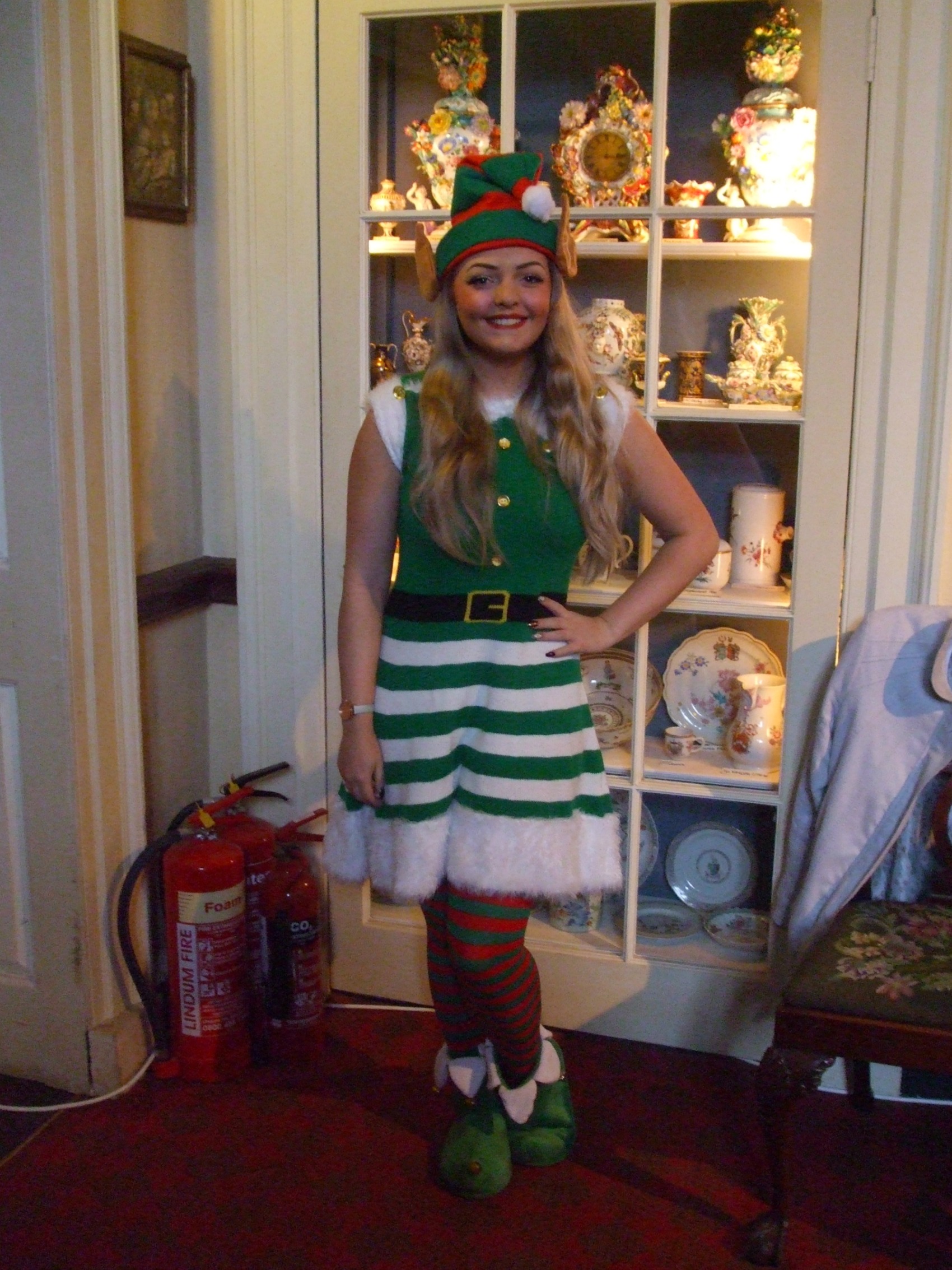
Finally, on our way down, we found this very pretty little elf on the first floor who kindly agreed to let us take her photo. Thank you, Elf, for posing so beautifully for us. 😀

a-very-pretty-elf-we-found-at-th-top-of-the-stairs-first-floor

I’m already wondering which theme will be chosen for next year’s Christmas decorations at Doddington Hall.

The Lincoln Santa Run 2016

lincoln-unis-macmillan-cancer-support

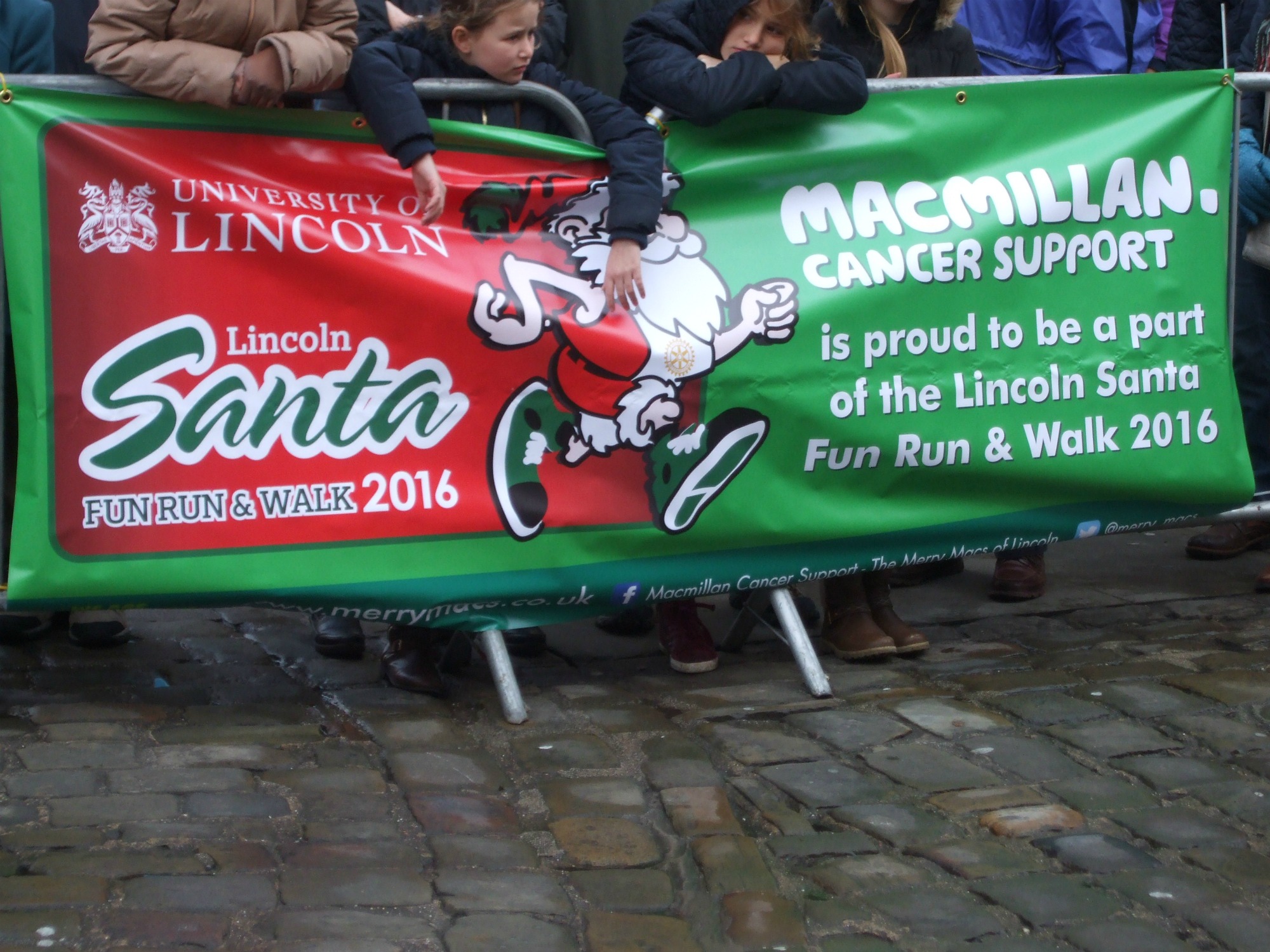
Today, Sunday December 11, we decided to head into Lincoln to watch the annual University of Lincoln Santa Fun Run, organised by the The Rotary Club of Lincoln Colonia in aid of a number of local charities. The university itself sponsors Macmillan Cancer Support.

some-of-local-charities-involved

This was the eleventh time the Lincoln Fun Run has taken place, and just like the brilliant Christmas market held annually over the first weekend of December, each year has seen the event growing in size and popularity. This year, well over 2,500 santas took part – as well as over 200 canine ones. We’ve been a couple of times in the past but had never bothered to take photographs before. So today we went with determination!

The run was scheduled to start at 11.30 am, but we got there well before 10 o’ clock, purely to make sure we found somewhere to park – and to find ourselves a ‘viewing spot’ near the front in order to take the photos. Last time we went, we were a long way back in the crowds and all I managed to see was the odd flash of red now and then. 😦  So we mooched about and took a few pics here and there of the organisers making the final preparations to the route, as well as the gathering santas and supporters.

The ‘compere’ kept supporters entertained as we massed, and at one stage he asked whether any of us were visitors from distant places. It was interesting to note that amongst those were people from Australia, New York and California.

The photos below show one on the inflatable santas going up. The run eventually started behind this cheery chappie, at the other side of the castle.

Here are just a few photos of ‘The Gathering of the Santas’ – as we decided to call it. The santas in the blue suits were running in support of Nepal.

The ‘Run’ itself was a lot of fun and spectators added to that with their support of the participants. Some of the faster runners completed the 3.5 km (2 mile) run very quickly, but everyone was well encouraged and cheered on. The route involved two laps, part of which circled the imposing cathedral.

And lastly, here’s a short video we made of the ‘Run’. (No, I haven’t got a tripod yet! 🙂 )