

Last week we had a short break in Iceland – ‘short’ meaning just five days. In that time we managed to see some of the island as well as the capital city of Reykjavik where our hotel was located. This post is just an introduction to Iceland with a few of the many photos we took over the week. I’ll post about some of the places we visited over the next few weeks. Well, that’s the plan.
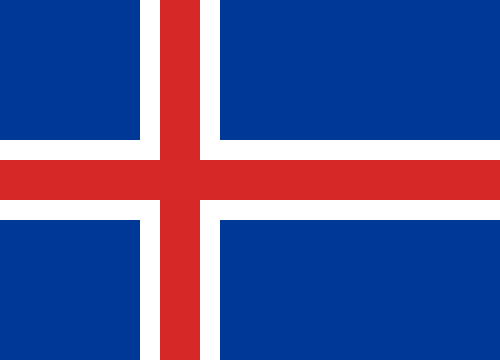
The Republic of Iceland is a sparsely populated Nordic island country located in the North Atlantic Ocean:
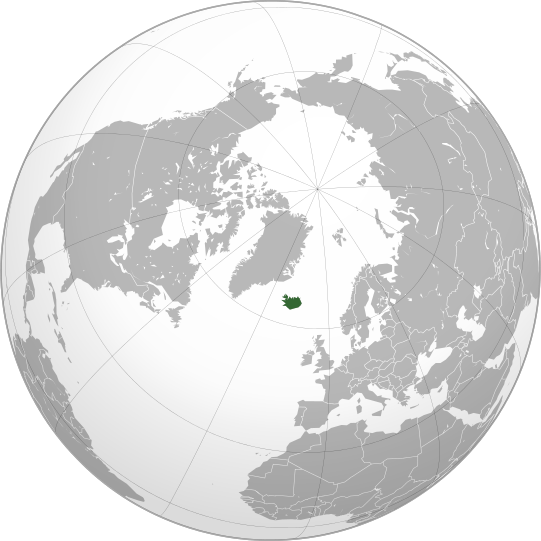
It has a population of 332,529, of which 206,000 – roughly two-thirds – live in Reykjavik, the capital city in the south-west of the island.

Iceland’s location on the Mid-Atlantic Ridge, dividing the Eurasian and American continental plates, results in the island being volcanically and geologically active and is famous for its hot springs, geysers and active volcanoes.
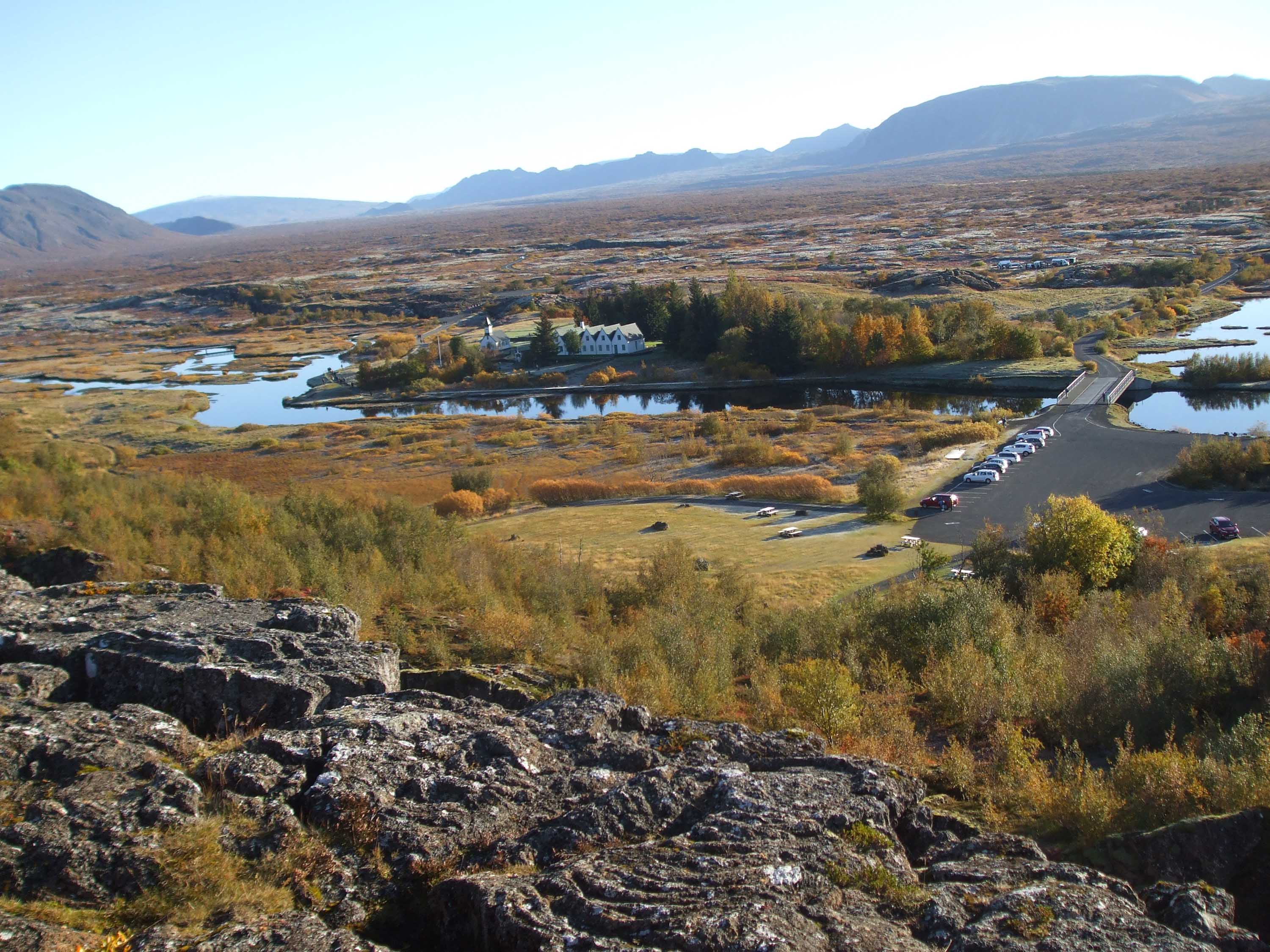
There are 130 active and dormant volcanoes in Iceland, eighteen of which have erupted since the first settlers arrived around AD 900. Perhaps the best known ones are Hekla (once believed to be the entrance to hell) Katia and Krafla. And, of course, most people know of the volcanic island of Surtsey – which made its appearance in 1963. Lava fields cover 11% of the land and waterfalls and glaciers can be seen in the highlands.


Hot water is pumped from underground to supply much of the country’s heating. Geothermal energy provides roughly 25% of Iceland’s electricity, the rest being mainly from HEP and only 0.1% from fossil fuels. Geothermal energy in Iceland has been used for many years for bathing and washing, as well as for central heating systems in buildings. Pipes also run beneath the pavements in cities like Reykjavik and Akureyri to keep them ice free in winter.


Despite Iceland’s latitude close to the Arctic Circle, the general climate of southern, coastal areas is described as temperate, although the high latitude and the influence of the sea keep summers chilly. Inland in the highlands, where the climate is tundra, glacial rivers make their way down to the sea. In winter, nights are extremely long and dark, the only daylight being between 11 am and 4 pm, whereas in summer the nights are bright all over the island. In June the sun never fully sets in the north of Iceland.
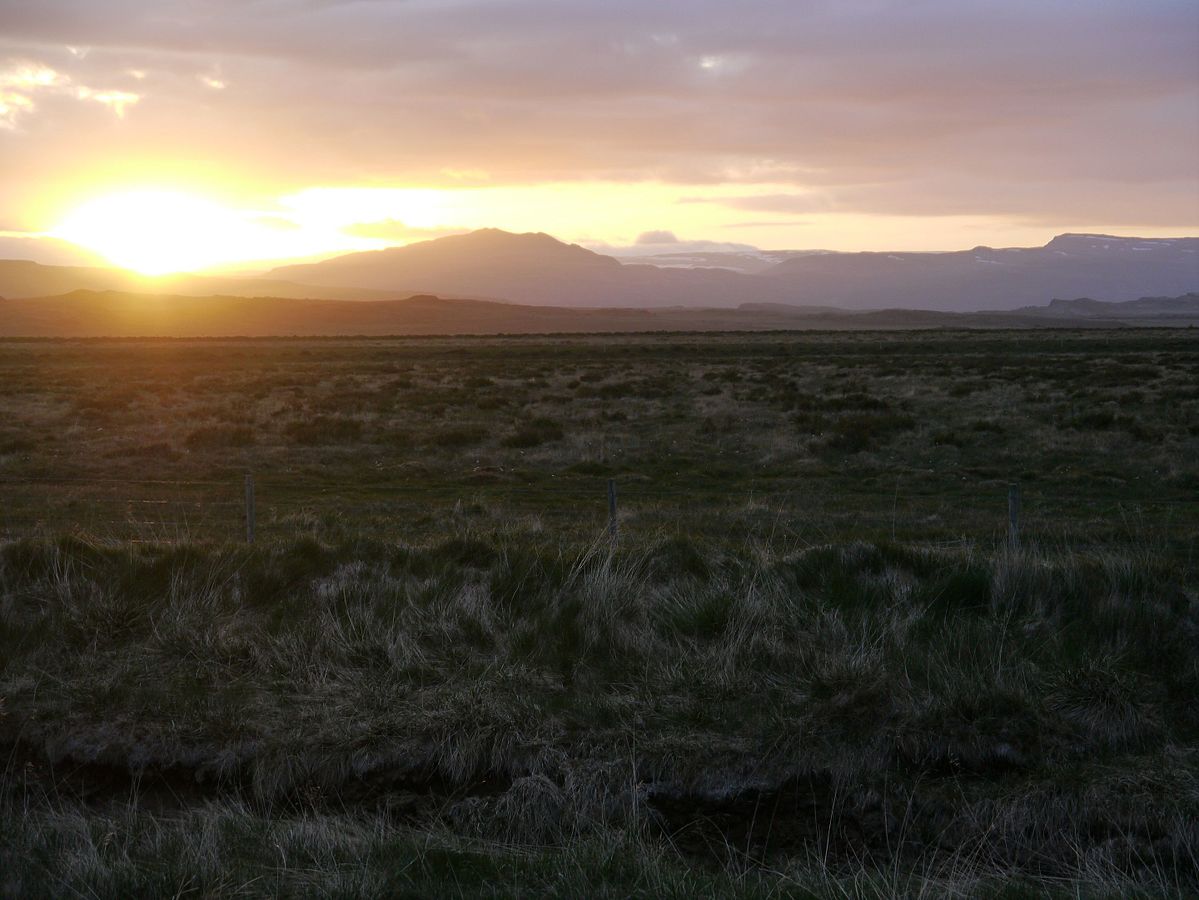
It’s often been thought that the absence of forests in Iceland is because of its latitude and thin volcanic soils. That is not the case. The island was once naturally forested, but settlement since 900 and the resultant burning of scrubland for the grazing of livestock and forest clearance for buildings, fuel and so on are the main cause. Over the last hundred years, several reforestation schemes have been started, with varying degrees of success with different tree species. But in recent years increased afforestation is noticeable across areas of open countryside, although many of these young trees are naturally still very short and stubby. Around Reykjavik, however, many homes and public buildings have trees around them, mostly silver birch, rowan or various species of conifer:


Unlike the rest of Europe, Iceland remained uninhabited until the 8th century. Irish monks came to the islands and, although they left no physical trace, crosses have been found carved into a cave wall. Within a hundred years, Norwegian settlers arrived. These people were thought to be escaping from persecution and economic hardship at home. The official ‘first settler’ was Ingólfur Arnarson in 874.


During the following centuries many Norwegians and a few other Scandinavians settled in Iceland, bringing with them Gaelic thralls (slaves). Icelandic culture is founded on this Scandinavian heritage. The language is descended from Old Norse and is closely related to the Faroese and West Norwegian dialects.
Between 1262 and 1814, Iceland was ruled first by Norway and then Denmark. It became independent in 1918 and a republic in 1944. The monetary unit is the Icelandic króna and if you decide to visit this intriguing country, be prepared to splash out! Iceland is a very expensive place – food/eating out, all alcohol, clothing and other souvenir items are far from cheap. But the island is a fabulous place for anyone interested in geology, the natural world, or history – or a combination of all of these. Whale watching trips are popular, as are boat trips out to see the puffins.


Iceland is fast becoming one of the most popular tourist destinations in the world, last year seeing a record breaking number of visitors. This isn’t really surprising as the island has so much to offer in whichever season tourists decide to visit.In the coldest months, winter sports and activities are on offer. We picked September this time simply because of the high chance of seeing the Northern Lights/Aurora Borealis at that time. We weren’t disappointed – except for the fact that we really need better cameras to do justice to the event! Needless to say, our photos of the Lights aren’t very clear – but at least we can say we’ve seen them. This photo was taken over Reykjavik harbour.

To finish with, here are a few photos of Iceland, all but the Icelandic horses taken in Reykjavik.


 Millie Thom

.svg)

