
Flash Fiction for for Aspiring Writers is a writing challenge hosted by Priceless Joy. It asks us to write a piece of fiction from the photo prompt provided in around 100-150 words – give or take 25 words. It encourages us to comment, constructively, on other entries, so supporting each other’s writing. If you’d like to join in with this challenge, follow the above link to see what to do. The challenge runs from Wednesday to Wednesday every week.
Here is this week’s prompt, kindly provided by Vanessa Rodriguez.

. . . and this is my story:
‘You realise this is the end, don’t you? After all we’ve worked so hard to achieve…’
René took his tearful wife into his arms, knowing she was right, but wanting so much to ease her distress. The vineyard had been their hope for the future… for themselves, their children, and grandchildren yet to be born. Now they faced a future of hardship and regret.
‘Another hurdle, Françoise, not the end,’ he said, instilling a positive note into his voice. ‘This is 1887 after all, and the wine industry can deal with crop diseases nowadays. We’ll see no profit this year, but –’
‘Not just no profit, René! We’ll have nothing to cover the year’s production costs … including the new wine presses we bought, and employees’ wages.’
‘Phylloxera is a new disease, ma chérie, and ways will be found to eradicate these sap-sucking insects. By next year, we’ll be back to normal.’
Françoise shook her head, unconvinced. ‘I’ll remind you of your prediction in two years time when we’re begging on the streets of Paris.’
Word Count: 175
*
My story this week is based on the phylloxera outbreak in France in 1887 (often called the ‘Great French Wine Blight’). I’ve written a little about it at the end of my ‘exta’ piece below.
If you’d like to view other entries, click the little blue frog below:

***
For anyone interested, here’s some information I’ve put together about the history of wine production:

The earliest evidence of a fermented drink based on grapes is in China, 7,700 – 6,600 years BC. It gradually became more widespread and we soon find evidence of it in the Near East. The grapevine and the alcoholic drink produced from it were important in Mesopotamia and Egypt and were essential aspects of Phoenician, Greek and Roman civilisations.

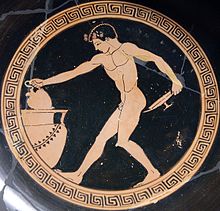
Wine was an integral part of the Roman diet and wine making became a widely spread and precise business during the time of the Roman Empire. Most of the major wine producing regions of Western Europe today were established during that time. Wine-making technology improved during Roman times, as did the number of varieties of grapes and cultivation techniques. The design of the wine press advanced and barrels were developed for the storage and shipping of the wine.
The most famous Roman wine was Falernian, due to it high alcohol content! Anyone who has read the brilliant Falco books by Lindsey Davis (set in ancient Rome) will recognise this wine as one of Falco’s favourites. Wines were also mixed with herbs and minerals for medicinal purposes.
Throughout history, wine has often been associated with religion. The Greeks worshipped Dionysus (god of wine) and the Romans carried on his cult, calling him Bacchus. Wine has been in Jewish culture since Biblical times and has been part of the Eucharist commemorating Christ’s Last Supper in the Christian Church.

Although Islam generally forbids the production and consumption of alcohol, during the Golden Age (8th-13th century) alchemists such as Geber pioneered wine distillation for medicinal and industrial processes (e.g. producing perfume).
In the medieval period, wine was the common drink of all classes in the south of Europe where grapes were cultivated. Further north and east, where few grapes were grown, beer and ale were the usual beverages. Wine was exported to these regions but was expensive, so was only consumed by the upper classes. Because it was used in the Catholic mass, a supply was crucial. Benedictine monks became one of the largest producers in France and Germany, followed closely by Cistercians and various other Orders.
Wine production increased dramatically from the 15th century onwards as part of European expansion. By the 18th century, the wine trade had soared, especially in France, where Bordeaux became the preeminent production.

In the New World (America) the first successful wine production was in Ohio in the 19th century. In Australia, too, wine production began about that time. In the Old World at this time, Champagne was established as a favourite luxury drink and fortified wines like sherry and port became increasingly popular in Britain.
Vineyards everywhere were badly hit in 1887 by a disease called phylloxera (often grape phylloxera) which was caused by the infestation of almost microscopic, pale-yellow, sap-sucking insects related to ahpids.
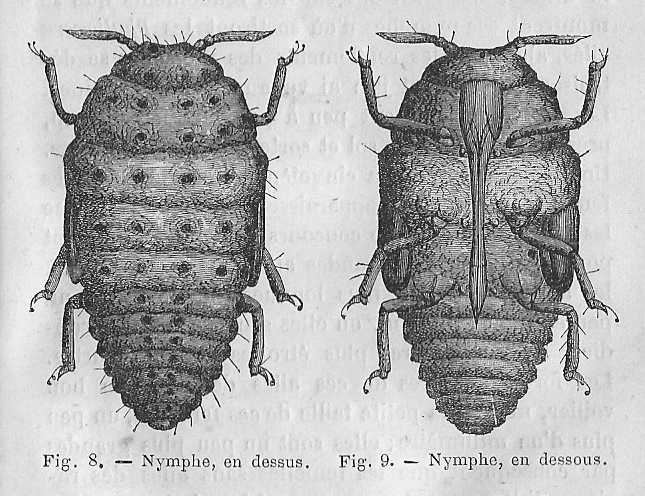

It is possible that it originated in North America and was carried across the Atlantic in the 1850s (although this is still debated). France was the worst country to be hit but other European countries were also affected. It was dealt with by grafting European vines to the resistant American rootstock that was not susceptible to phylloxera. It proved effective, but the ‘Reconstitution’ of the French vineyards – as it was called – was a very slow process. There are still a few vineyards in Europe that inexplicably remained unscathed and exist today as they did before the disease arrived.
***











.jpg)
















 Millie Thom