Thank you so much for telling me that – lovely to hear from you. You must find it a very interesting and rewarding job, although I wouldn’t think the plumes are made from moss nowadays – or are they? I imagine the plumed helmets are for ceremonial use? (I’ll follow your links as soon as I can and probably be able to answer those questions myself, if you haven’t time to reply.) Thanks again for the interesting comment.
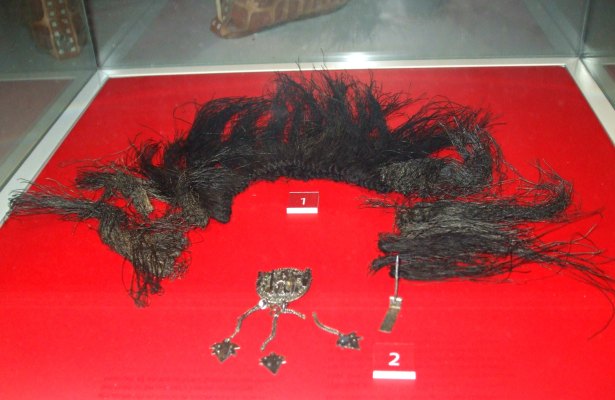
No, but I imagine this now extinct Italian marsh grass used was for ordinary ranks and horse hair was used for more senior. There are plenty of descriptions of “horse hair crests” through out Roman and Greek literature. So I would imagine its a shortage of hair in a massive Roman army that meant this grass was used as substitute. There are other examples in the far east I believe.
But regardless of the material, we still weave them the same way today, they were not drilled into wooden boxes that we often see with re-enactors, they were woven the same way as we do for the Household cavalry today.

 Millie Thom
I still make plumes for the British army the way the Romans did. http://www.theplumery.co.uk
Thank you so much for telling me that – lovely to hear from you. You must find it a very interesting and rewarding job, although I wouldn’t think the plumes are made from moss nowadays – or are they? I imagine the plumed helmets are for ceremonial use? (I’ll follow your links as soon as I can and probably be able to answer those questions myself, if you haven’t time to reply.) Thanks again for the interesting comment.
No, but I imagine this now extinct Italian marsh grass used was for ordinary ranks and horse hair was used for more senior. There are plenty of descriptions of “horse hair crests” through out Roman and Greek literature. So I would imagine its a shortage of hair in a massive Roman army that meant this grass was used as substitute. There are other examples in the far east I believe.
But regardless of the material, we still weave them the same way today, they were not drilled into wooden boxes that we often see with re-enactors, they were woven the same way as we do for the Household cavalry today.