My Favourite Historical Novels

bookworm

I’ve been a ‘bookworm’ for as long as I can remember and, somehow, tales set in the past always claimed my attention much more easily than contemporary ones. Once my childhood fixation with stories of shipwrecks had waned (Robinson Crusoe, The Coral Island and Swiss Family Robinson) I seemed to fixate upon those involving animals. I loved Anna Sewell’s Black Beauty, Jack London’s Call of the Wild and White Fang and Rudyard Kipling’s Jungle Book and Just So Stories.
shutterstock_197038109

Then, when I was twelve, I read Charlotte Bronte’s  Jane Eyre. I started reading the book in the back of my dad’s car on a journey to visit relatives. Somehow I managed to ignore the chatter of my younger sister and brother sitting next to me, and concentrate on the book . . . And I kept on concentrating right through the said visit (oh, how utterly rude!) and all the way home. By that time, of course, I had very little of the book to finish. To say that it had got me hooked would sound about right. From then on I went through several more of the classics, amongst them various works by Dickens – Oliver Twist being a favourite at the time.

Although I enjoyed Jane Austen’s Pride and Prejudice, I can’t say it sent me into raptures. It was a ‘class reader’ in my fourth year (Year 10) and, like George Eliot’s Mill on the Floss, which I studied for ‘O’ Level the following year, I suppose we analysed it to death! Conversely, I really enjoyed studying Emily Bronte’s Wuthering Heights for ‘A’ Level. And what a dark and brooding tale that is – so like the Yorkshire Moors can be at times.
shutterstock_204075802

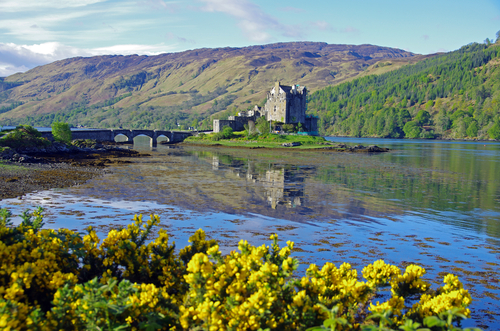
One interesting little book I read during my second year of secondary school (Year 8) was Elizabeth Goudge’s, The Middle Window. By that time I’d begun to take a real interest in history at school, and since we’d just been learning about the Jacobites and their fate at Culloden, the book was very meaningful to me. I also loved the appeal of the Scottish Highlands. Whether or not I’d find the writing style to my liking now, I can’t say.

And talking about writing style . . .

The author of historical fiction I most admire is Dorothy Dunnett. I read the six books of one of her famous series, The Lymond Chronicles, eighteen years ago, and have been telling myself for years that a reread is in order. In my opinion, Dorothy Dunnett’s novels need reading several times over in order to actually grasp the depth of the characters, particularly Lymond (Francis Crawford) himself. The writing style, too, is incredibly complex, and some pages need reading a few times in order to make sense to lesser mortals such as myself. But, once past the first few pages of Book 1, Game of Kings, I ‘caught on’ to the language/style and from then on, was able to follow the story. Dorothy Dunnett’s use of poetry is quite amazing – and much of it is in French! And what an opening line:

‘Lymond is back.’

Just three little words that have the power to induce so many questions . . .

In more recent years, one of my favourite historical novels has been River God by Wilbur Smith. His descriptions of ancient Egypt enthralled me, as did the character of Taita.

shutterstock_206276143

Similarly, Christian Jacq’s many books set in Egypt fuelled my imagination. I read the five books in his series about Ramses II, then Paneb the Ardent from his the Stone of Light series. Needless to say, I really enjoy most books about Egypt.

But it’s not only Egypt that holds me fascinated. Roman novels have a similar pull. I particularly enjoyed Colleen McCullough’s Caesar and Caesar’s Women. I intend to start on Ben Kane’s first Roman novel, Hannibal: Enemy of Rome very soon. I also love novels set in Victorian and Edwardian times, and also during World War 1.

I desperately need to reread several works by American authors, including some written by Mark Twain. I can only remember reading abridged versions of both The Adventures of Huckleberry Finn and The Adventures of Tom Sawyer, early on in school. I also feel quite ashamed to admit that I haven’t even read Harper Lee’s, To Kill a Mocking Bird yet, although it’s been on my Kindle for months. Then I’d like to read Alice Walker’s The Color Purple, followed by Alex Hale’s novel, Roots. I did watch the TV series of Roots in the late 1970’s so I know that the story is incredibly moving.

I must add that I also enjoy novels with a crime/detective element. Many of these have had historical settings, but some have not. At present I particularly enjoy the grittiness of Val McDermid’s storylines and the quirky humour and unconventional tactics of Mark Billingham’s detective, Tom Thorne. I also like Patricia Cornwell’s novels involving the pathologist, Dr. Kay Scarpetta and the details of forensic work described.

I’ll finish for now and get back to writing Pit of Vipers – Book 2 of my Sons of Kings series.
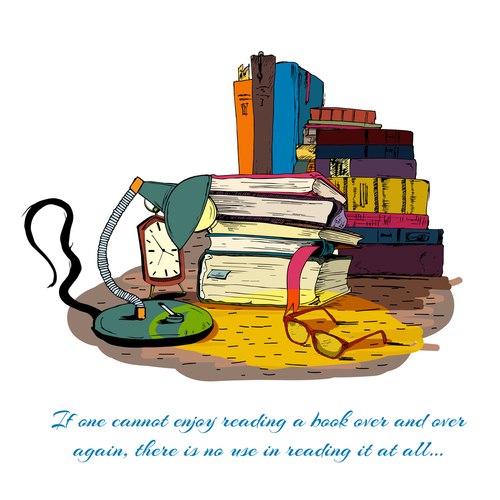
shutterstock_194185796A few interesting quotes about books and reading:

I’m writing a book. I’ve got the page numbers done. (Steven Wright)

If there’s a book that you really want to read but it hasn’t been written yet, then you must write it. (Toni Morrison)

Anyone who says they have only one life to lead must not know how to read a book. (Author unknown)shutterstock_182063360
History is all around us

There are so many wonderful sites around the world that serve as a constant reminder of our past. Such sites can also stimulate the imaginations of writers of historical fiction and, in many novels, form the backdrop against which the characters can play out their tales.

IMG_4234
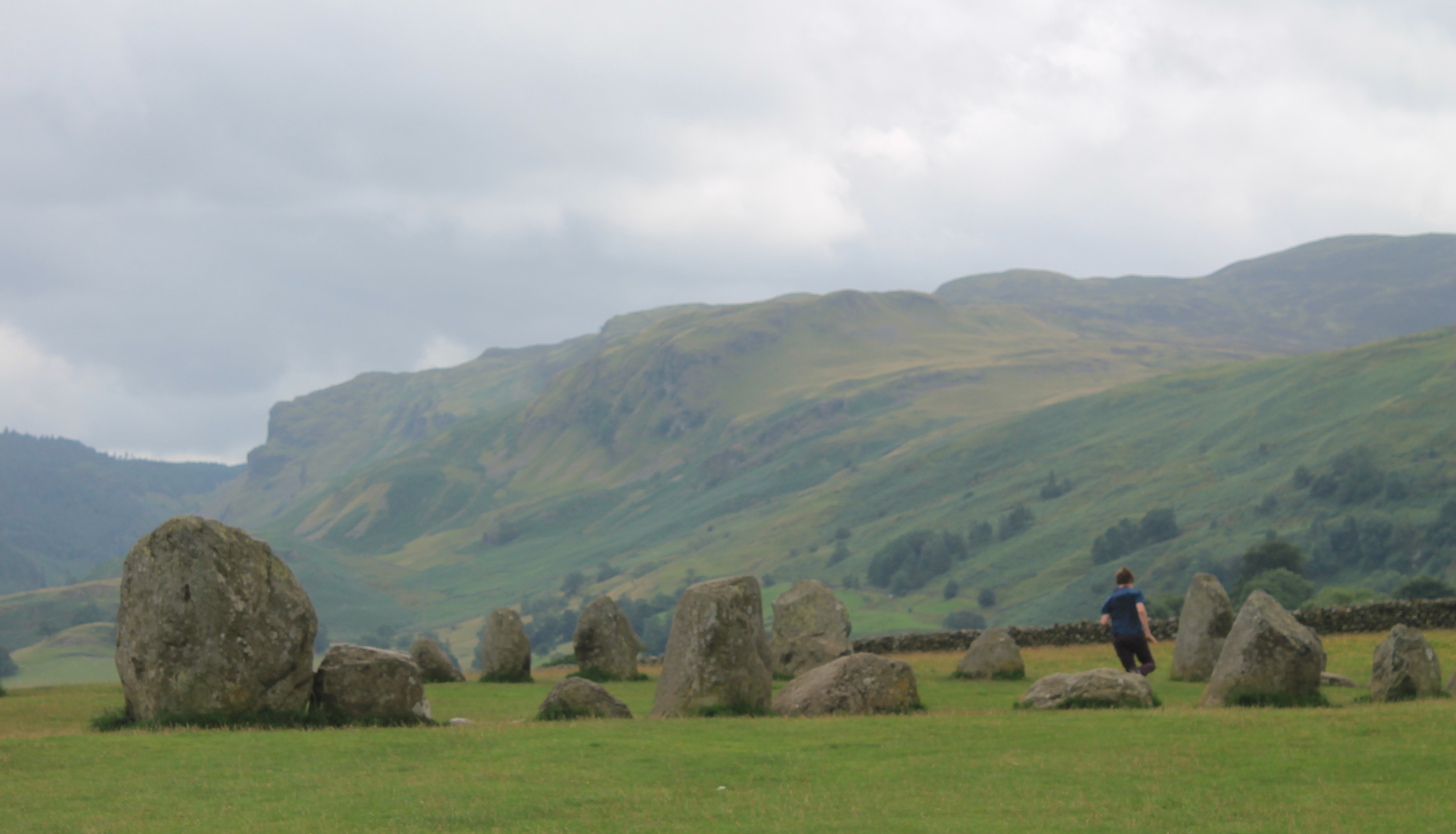
Castlerigg Stone Circle, Cumbria

I’ve even visited a few such places myself. I’ve stood with the rest of a tour group and goggled at Egyptian and Greek temples, the Bronze Age ruins at Knossos, and the remains of Pompeii, Herculaneum and Carthage. The splendours of these places will stay with me forever: they are locked inside my head. The colours, sounds and smells, and the clamour of the local people at any one of these places can spring to life again in an instant if I should just close my eyes…

Mum's Wantage pctures 012
Wayland’s Smithy: long barrow, Oxfordshire, UK

I suppose I’m lucky to live in a country where every city, town, or village can boast some structure or crumbling ruin that owes its origins to a bygone age. In Britain we have everything from prehistoric stone circles, tumuli and hill forts, to Roman walls, villas and bath-houses and medieval castles and cathedrals.

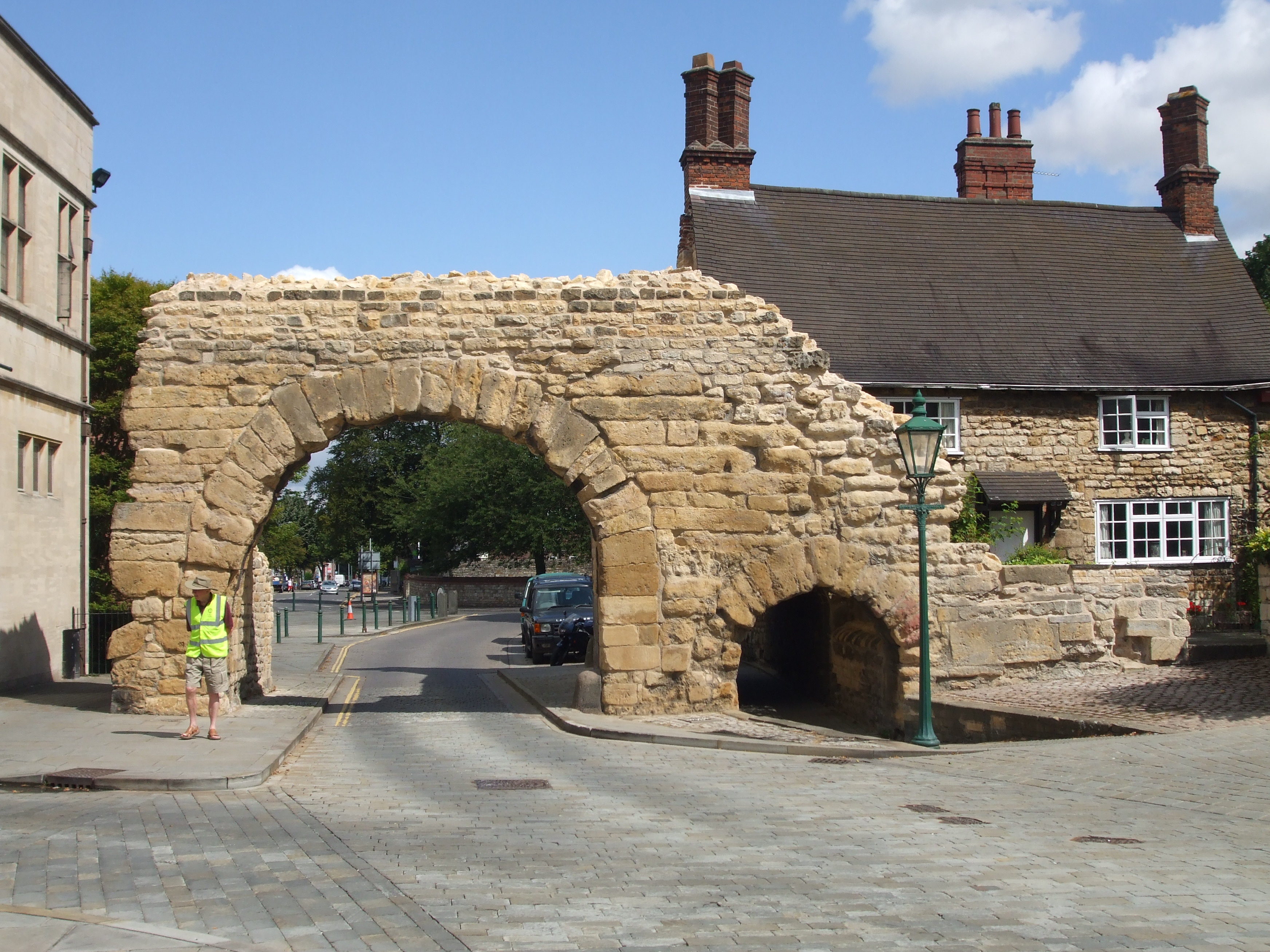
The remains of the Roman arch on Newport, Lincoln
025
Lincoln Cathedral. The first foundations of this magnificent structure were laid in 1088

And so it continues throughout the centuries, through Tudor and Stuart times to the period of the great Victorian architects and builders. And side by side with those great structures stand the simpler, quaint old cottages and farmhouses.

IMG_3989
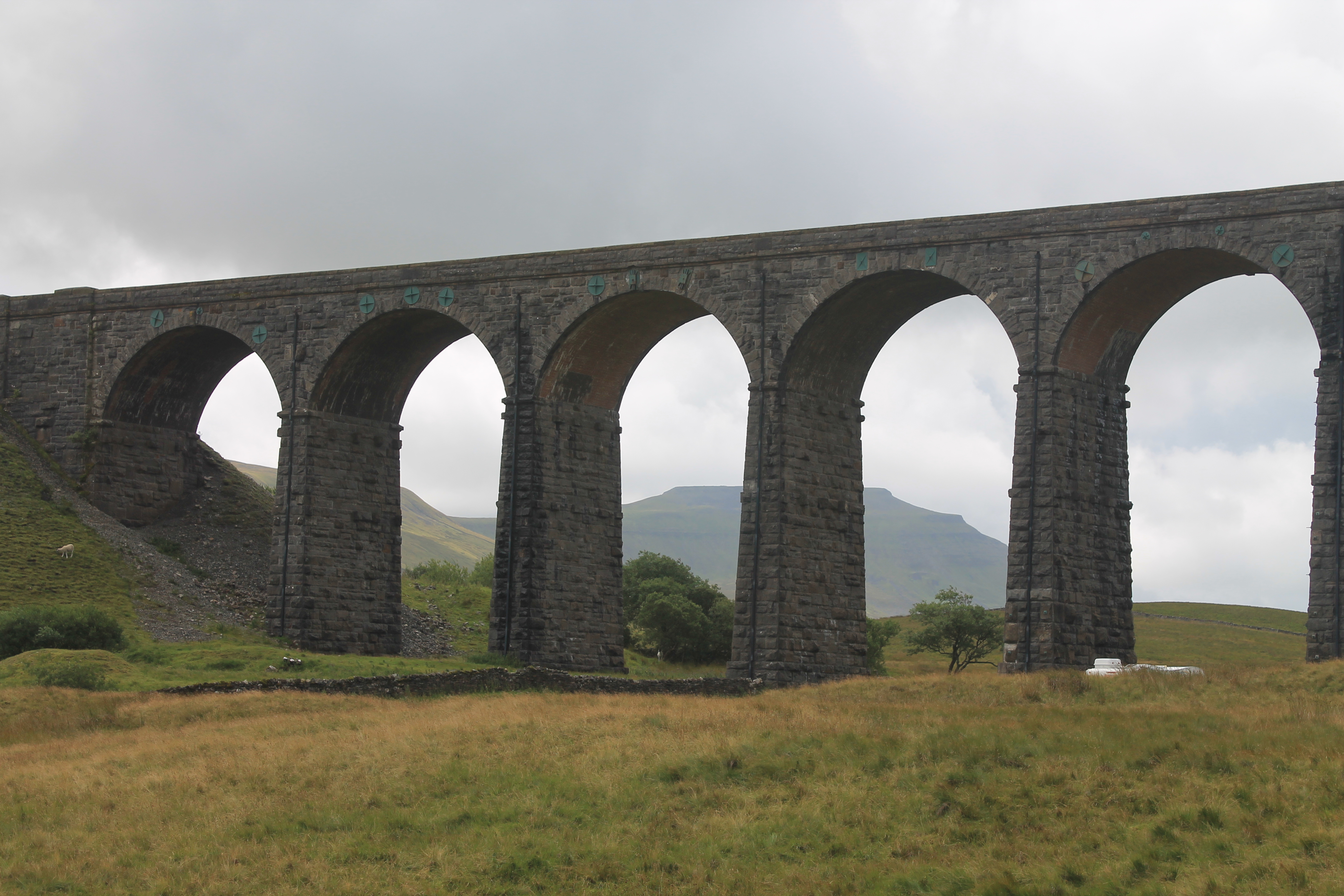
The Ribblehead Viaduct carries the Settle to Carlisle railway, built 1870-74

Writers of historical fiction, or rather, good writers of historical fiction, have the knack of making those bygone times seem like now. They bring the action alive, so that we see, hear, smell, feel or even taste whatever the characters in the story are experiencing. And that is a commendable skill, one that I kept firmly in mind whilst I was writing my own first book, Shadow of the Raven.

I’ll finish off with these thought-provoking  quotes:

I think that all of us who write about the past feel a deep and haunting connection with it. Socrates said that all knowledge is possessed by the soul and it’s just a matter of remembering it. I believe that to be true.’

(Karen Essex)

The truth of it is that it is simply not possible to create an accurate portrait of the past. No one can faithfully reproduce the reality of the 1970’s, let alone the 1570’s.

(Tim Wilcox)

History never looks like history when you are living through it.’

(Samuel Butler)

*****

Bringing History to Life

shutterstock_170481449
The Bayeux Tapestry – an embroidered cloth depicting events leading up to the Norman conquest of England. Some historians believe it could have been made in England – not Bayeux – in the 1070’s

Most people would probably agree that to present history as a mere list of dates, or the minutiae of births, deaths, battles, coronations and political treaties and alliances, would be the best way of putting anyone off the subject for life. Undoubtedly the information referred to has its place; the chronology of historical events is vital. We wouldn’t want people believing, for example, that the Battle of Hastings was a mere hundred years ago.

But there are ways of presenting information that overcome the mundane . . .

I believe that to appreciate the importance of history – and by that I mean the magnitude of its effect on the lives we lead today; the great advances in technology that make our lives so much easier – we must project our minds back to the time being studied, or read about.

Feel it. Live it.

For me, as for millions of others, history comes alive through fiction. Historical fiction has become almost an obsession to me. I read little else. Even my favourite detective novels have an historical setting. I read novels set in any era, any culture. I love to be transported from the here and now to a world of past times; to characters with completely different moral values and attitudes to life than our own.

It all helps to understand how life has progressed; just how far – or in some cases, how little – we’ve come.

I’ll leave with these snippets to consider (there are many more on the ‘Brainy Quotes about Historical Fiction’ webpage):

‘One thing I like about historical fiction is that I’m not constantly focusing on me, or people like me; you’re obliged to concentrate on lives that are completely other than your own.’ (Emma Donoghue)

‘The thing that most attracts me to historical fiction is taking the factual record as far as it is known, using that as a scaffold, then letting imagination build the structure that fills in those things we can never find out for sure.’ (Geraldine Brooks)

Shadow of the Raven

1589389052

Sons of Kings: Book One

By the mid ninth century, Danish raids on Anglo-Saxon kingdoms have escalated. Several bands even dare to overwinter on the coastal islands, particularly those at the mouth of the Thames, where the kingdoms of Wessex and Mercia border each other. The kings of these lands must put past hostilities aside and take the first steps towards unity; steps they see as vital in the face of this newfound threat to their lands.

Alfred of Wessex and Eadwulf of Mercia are the sons of kings, whose futures have been determined since birth. But the turbulent events in their childhood years change the natural progression of things and shape the characters of the men they will become. Their roads to manhood follow vastly different routes, but both learn crucial lessons along the way: lessons that will serve them well in future years.

Discovering that the enemy is not always a stranger is a harsh lesson indeed; the realisation that a trusted kinsman can turn traitor is the harshest lesson of all.

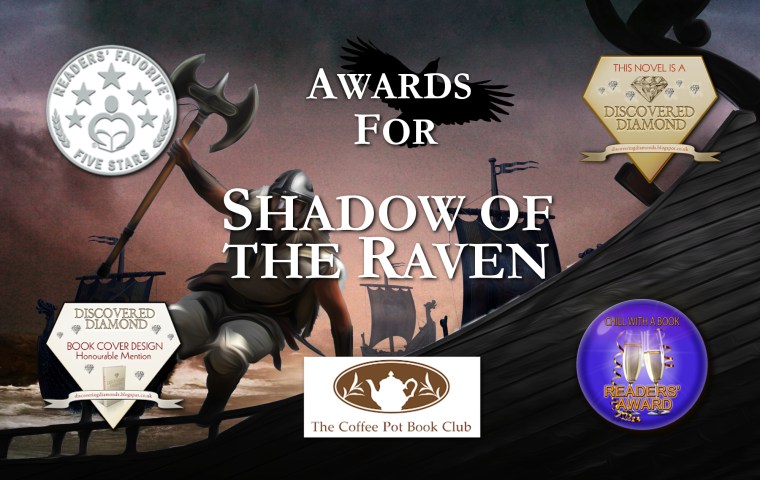
shadow awards

These are some of the five star reviews for Shadow of the Raven:

    • A fantastic, well written story – Tammy L. Nesheim: Amazon.com
    • truly a remarkable historical fiction… J.L. Hutchisson: Amazon.com
    • …a beautifully crafted and seamlessly linked tale… Tricia Preston: Amazon.co.uk
    • You know those authors that write in a way that the reader can basically smell the soil just from the description? Well, Thom nailed it: Emmeline  (The Book Herald) TOP 50 REVIEWER. Amazon.com

shadow advert forblog

BUY IT NOW ON

amazon-button-png-3